

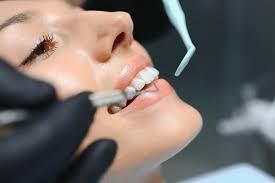

Your teeth can shape how you feel about your appearance. Many people seek ways to refine the look of their teeth and gums, and that desire has helped a branch of dentistry grow steadily over the years. Cosmetic dentistry focuses on the visual qualities of a smile, working alongside general dental care to help people reach the results they want.
What Is Cosmetic Dentistry?
Cosmetic dentistry refers to dental work that aims to improve the appearance of teeth, gums, and the overall smile. General dentistry centers on oral health and the prevention of disease, and this area places its attention on aesthetics, such as color, shape, alignment, and balance. The two areas often overlap, since a healthy mouth supports a pleasing appearance; many cosmetic treatments also strengthen or protect teeth in the process.
A cosmetic dentist who offers these services uses technical skills to better facilitate dental appearance, such as one’s oral symmetry. The goal is to create results that look natural and suit each person’s face and features. Treatments include quick, simple procedures, and they can involve more detailed work that may take several visits to complete.
What Issues Do Dentists Address?
Cosmetic dental treatments respond to a wide range of concerns. Each issue differently affects how a smile looks, so each concern may call for a different approach. Many common issues that a patient wants treated can vary from minor imperfections to broader problems, including:
- Discolored Teeth: Coffee, tea, tobacco, certain foods, and natural aging may darken or yellow the surface of teeth over time.
- Chipped or Cracked Teeth: Minor damage from accidents or wear can alter the shape of a tooth.
- Spacing Issues: Spaces between teeth affect the balance of a smile.
- Uneven Teeth: Teeth that sit out of line may change the overall look of the mouth.
- Worn Teeth: Years of grinding or use can shorten teeth and create an uneven edge.
A dentist usually reviews a person’s goals, examines the mouth, and suggests options that fit the situation.
How Do They Create Results?
A number of treatments are grouped under cosmetic dentistry, ranging from simple surface-level treatments to oral surgery. The right choice depends on the condition of your teeth, and the outcome you hope to achieve influences how treatment is personalized. Common services include:
- Teeth Whitening. This treatment lightens the shade of teeth using professional products.
- Veneers. Thin, custom shells are placed over the front of teeth to adjust their color, shape, or size. Veneers can cover chips, gaps, and stains.
- Bonding. A tooth-colored material is applied and shaped to repair chips, close small gaps, or refine the form of a tooth.
- Crowns. A crown covers a damaged or misshapen tooth, restoring both its look and its structure.
- Orthodontics. These move teeth into better positions over time, improving alignment.
- Dental Implants. Implants replace missing teeth with a fixed, natural-looking option that blends with the rest of the smile.
Many people combine several of these treatments to reach their desired result. A plan that mixes whitening with veneers or bonding can address more than one concern at once.
Meet a Cosmetic Dentist
A consultation gives you the chance to share your goals, ask questions, and learn which options suit your needs. During this visit, the dentist may examine your teeth, take images, and explain what each treatment involves. A clear conversation about expectations and outcomes supports a smoother experience. Scheduling an initial appointment is a practical way to begin learning about the choices available to you, and it can allow you to advance toward the smile you want.
