

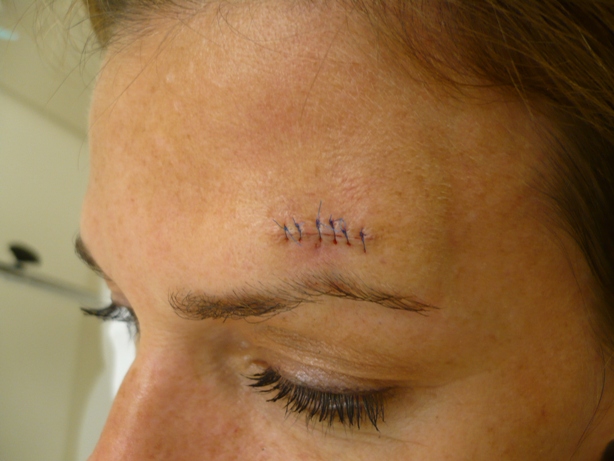

When skin cells grow abnormally, usually from ultraviolet (UV) radiation damage, they may develop into skin cancer. The three most common types of skin cancer are squamous cell carcinoma, basal cell carcinoma, and melanoma. Mohs surgery is frequently recommended for cancers on the face, neck, hands, or other sensitive areas to preserve healthy tissue. This technique removes the cancerous tissue layer by layer, examining each layer under a microscope until no cancer cells remain. Here’s information on Mohs skin cancer surgery and what to expect during recovery:
Follow Personalized Aftercare Instructions
Your care team will provide recovery instructions tailored to the location and size of your surgical site. These instructions typically explain how to change dressings, when to resume normal activities, and how to manage discomfort. Read your recovery plan instructions carefully, and contact your care team if you have questions.
Some side effects are common after Mohs skin cancer surgery, but they are temporary. You may notice symptoms around the treated area after surgery, including:
- Redness
- Swelling
- Bruising
- Tenderness
These effects should fade as the site heals. Following the guidance you receive helps your skin recover as your surgeon intended.
Keep Your Surgical Site Clean
Keeping your surgical wound clean lowers the chance of complications during recovery, and your surgeon will explain how often to clean the area and which products to use. In many cases, this involves gently washing the site with mild soap and water, then applying a fresh dressing. Avoid touching the wound with unwashed hands. Do not pick at scabs or remove dressings before your surgeon advises you to, as disrupting the site can slow healing.
If you notice increased redness, drainage, warmth, or a fever, contact your care team promptly. Protect the healing skin from sun exposure and avoid strenuous activities. Once your surgeon confirms it is safe, using sunscreen and covering the area can help shield the delicate new skin from sun damage.
Attend Your Follow-up Appointments
Follow-up visits allow your surgeon to monitor how your surgical site is healing. During these appointments, your care team may remove stitches, assess the scar, and check for any signs of concern. These visits also give you a chance to ask questions about your recovery. If you have noticed changes to the surgical site or nearby skin, mention them during your appointment. Regular skin checks are necessary after Mohs surgery. People who have had one skin cancer may have a higher chance of developing another, so ongoing monitoring is a standard part of long-term care.
Benefit From Mohs Skin Cancer Surgery
Mohs surgery is a precise approach to treating certain skin cancers, and aftercare plays a central role in your recovery. By following the personalized instructions your care team provides, you give your surgical site a stable foundation for healing. Keeping the wound clean, protecting it from the sun, and watching for signs of complications all contribute to a smoother recovery process.
Follow-up visits let your surgeon confirm that your site is healing as expected, allowing them to address any concerns early. They also initiate conversations about protecting your skin going forward, including sun safety habits and a schedule for future skin checks. Caring for your skin with attention and consistency supports the results of your Mohs surgery. If you are unsure about any part of your recovery, reach out to your care team for advice tailored to your situation.
