

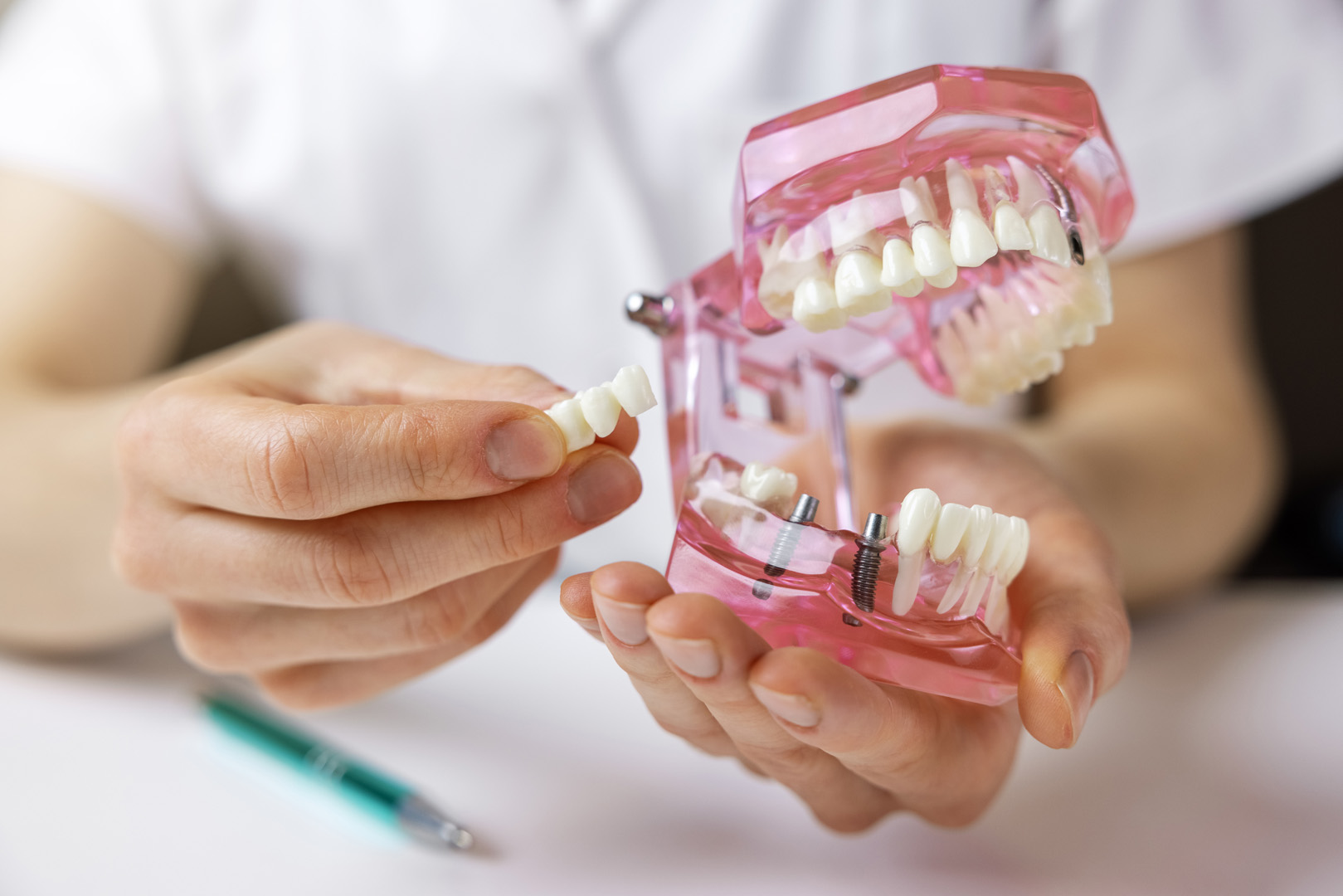

A dental bridge can replace one or more missing teeth by filling the gap with a natural-looking restoration. This treatment supports chewing, speech, facial structure, and overall dental alignment when properly planned by a dental professional. Here is a closer look at the role of dental bridges in restoring smile and functionality:
Complete Smile Restoration
When an individual loses a tooth, the resulting space alters the physical structure of the dental arch. A dental bridge securely fills this void by anchoring an artificial tooth to the surrounding natural teeth. Dentists place crowns on the adjacent teeth, and these crowns support the pontic in the middle. The prosthetic unit effectively bridges the gap, which creates a continuous row of teeth.
The dentist removes a portion of the enamel, allowing the supporting crowns to fit securely over the natural teeth. Once the teeth achieve the correct dimensions, the practitioner takes a physical impression of the treatment area. This precise mold serves as a blueprint for the permanent bridge. The laboratory uses these exact specifications, and technicians craft a pontic that integrates flawlessly into the vacant space.
Better Daily Function
Structural restoration remains a key part of ongoing clinical care, and dentists prioritize this functional recovery. A dental bridge directly addresses this challenge through the following mechanisms:
- Chewing distribution: The bridge restores the flat chewing surface, which allows individuals to distribute bite forces evenly across the jawbone.
- Speech articulation: Teeth play a fundamental role in forming specific phonetic sounds, and replacing a missing tooth helps patients pronounce words clearly.
- Bite regulation: The fixed prosthetic prevents opposing teeth from experiencing uneven pressure, reducing overall wear on the enamel.
These functional improvements help individuals perform everyday oral tasks without disruption. The restoration process standardizes the bite force, and it prevents localized joint stress.
Stable Oral Alignment
Natural teeth continuously exert pressure on one another, and they rely on adjacent teeth to maintain their correct positions. When a gap appears, the surrounding teeth gradually drift into the empty space. A dental bridge acts as a rigid physical barrier that prevents this unwanted movement. The prosthetic device holds the adjacent teeth in place. Preventing this shift reduces the risk of jaw strain, and it limits the uneven wear that often occurs when teeth fall out of alignment.
Misaligned teeth create localized areas that trap food particles. When teeth tilt into an empty space, standard brushing techniques become less effective, and plaque can accumulate rapidly along the newly exposed root surfaces. A bridge eliminates these irregular spaces. This structural uniformity simplifies daily cleaning and streamlines routine oral hygiene.
Long-Term Results
Proper maintenance extends the lifespan of a dental bridge. Dentists recommend several practices to make sure the device remains intact and functional over time. Here are some of them:
- Targeted brushing: Patients must brush the bridge twice daily using a soft-bristled toothbrush to remove plaque.
- Specialized flossing: Using floss threaders allows individuals to clean beneath the artificial tooth, preventing debris buildup.
- Routine inspections: Dentists examine the bridge during regular checkups to verify the stability of supporting crowns.
Careful cleaning routines protect the underlying gum tissue, and they reduce the probability of periodontal infections.
Schedule Your Dental Bridge Consultation
A bridge is a reliable tooth replacement option that fills structural gaps. The procedure involves placing an artificial tooth between two structural anchors, thereby stabilizing the entire dental arch. Proper care protocols make sure the device functions correctly for years, providing individuals with predictable mastication. Contact a skilled dentist in your area to schedule your dental bridge consultation today.
