

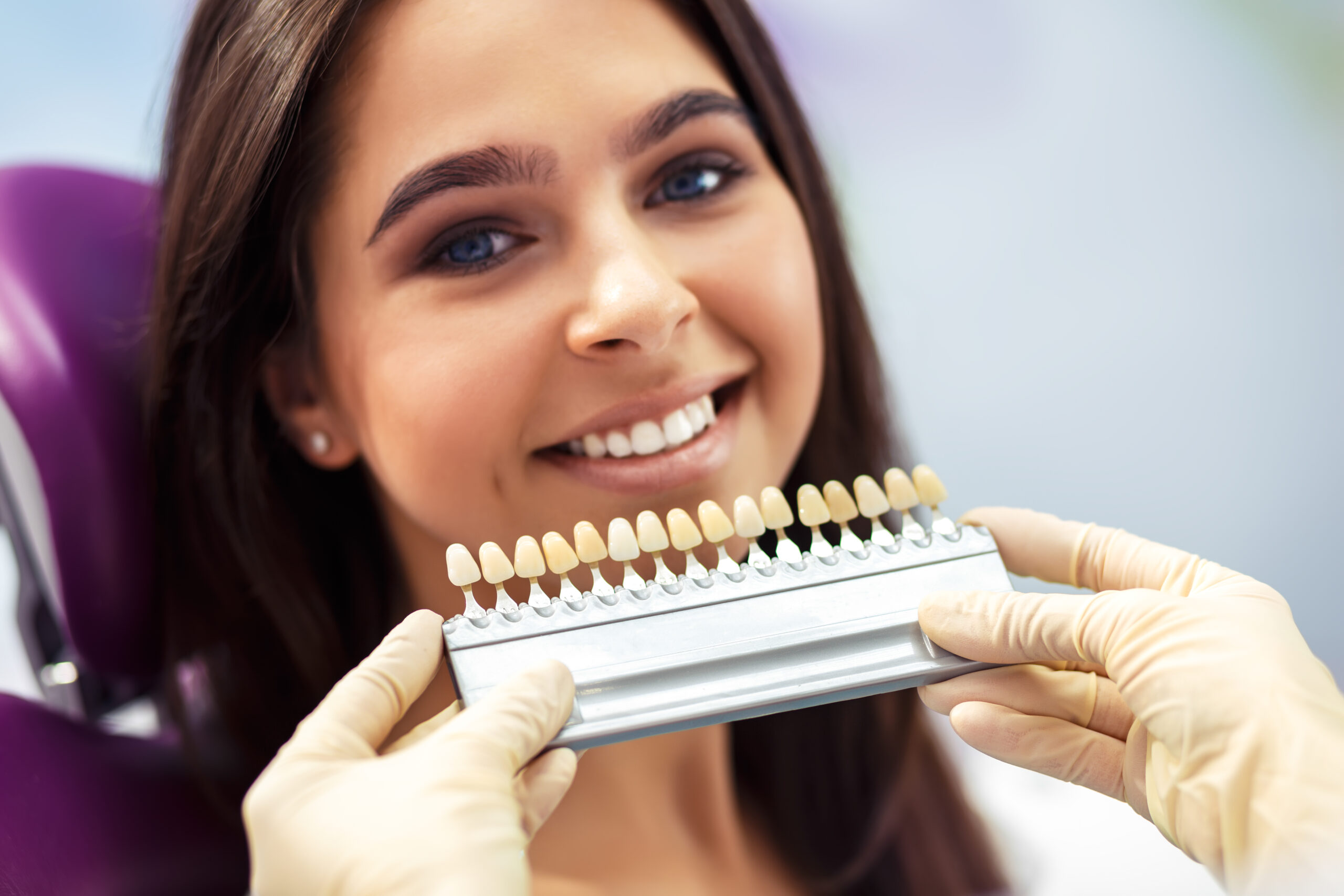

Dental veneers are thin, custom-made shells bonded to the front of your teeth, and they address a wide range of cosmetic and functional concerns. They can improve the appearance of discolored, chipped, or misshapen teeth, as well as correct minor gaps and alignment issues. Here is more information about veneers and how they benefit patients seeking cosmetic improvements:
Introducing Dental Veneers
Veneers are porcelain shells that a dental provider bonds to the front surface of your teeth. These prosthetics can correct several dental concerns, including:
- Discoloration that does not respond to whitening treatments
- Chipped, cracked, or worn-down teeth
- Gaps between teeth or minor misalignment
- Irregularly shaped or uneven teeth
Because each veneer is custom-crafted, the result can blend and fit with your surrounding teeth.
Reviewing the Application Process
When you get veneers, it may take one or multiple dental visits, depending on your situation. Your provider first examines your teeth and discusses your goals with you. A small amount of enamel is then removed from the tooth’s surface so the veneer sits flush, and an impression is taken to fabricate your custom shells.
At your next appointment, your provider checks the fit and shade of the veneers before bonding them permanently. A special light activates the bonding cement, and your provider makes final adjustments for comfort and bite alignment. The dentist will discuss care information that includes hygiene requirements and maintenance habits for your new prosthetic.
Identifying Suitable Candidates
Good candidates for veneers have generally healthy teeth and gums, since veneers are a cosmetic restoration rather than a restorative one. They are well-suited for people with surface-level concerns such as staining, minor chips, or small gaps. A dental provider will evaluate your oral health before recommending this treatment. Veneers are most effective when the natural tooth structure is intact; implants are the appropriate solution when a tooth is absent or cannot be saved.
Maintaining Your Veneers
Porcelain prosthetics are durable, and they canlast 10 to 15 years with proper care. Your daily routine makes a significant difference in their longevity. When you brush twice a day with a non-abrasive toothpaste, floss regularly, and attend routine dental cleanings, it helps preserve your prosthetic.
There are a few habits to avoid:
- Biting hard objects like ice, pens, or fingernails
- Using your teeth to open packaging
- Grinding your teeth
If you grind your teeth at night, you can ask your dentist about a mouthguard to protect your veneers and natural teeth. Porcelain can resist stains better than natural enamel, so veneers tend to stay bright longer. Limiting coffee, red wine, and tobacco still benefits the surrounding teeth and gum tissue.
Ask Your Dentist About Veneers
Dental veneers offer a reliable and aesthetic solution for a wide range of cosmetic concerns. The process is minimally invasive, the results are long-lasting, and the care routine is straightforward. Veneers differ from implants in that they enhance existing teeth rather than replace missing ones, making them a strong option for patients with healthy tooth structure. If you want to learn more about cosmetic dentistry and its benefits, consult a dental provider near you.
