

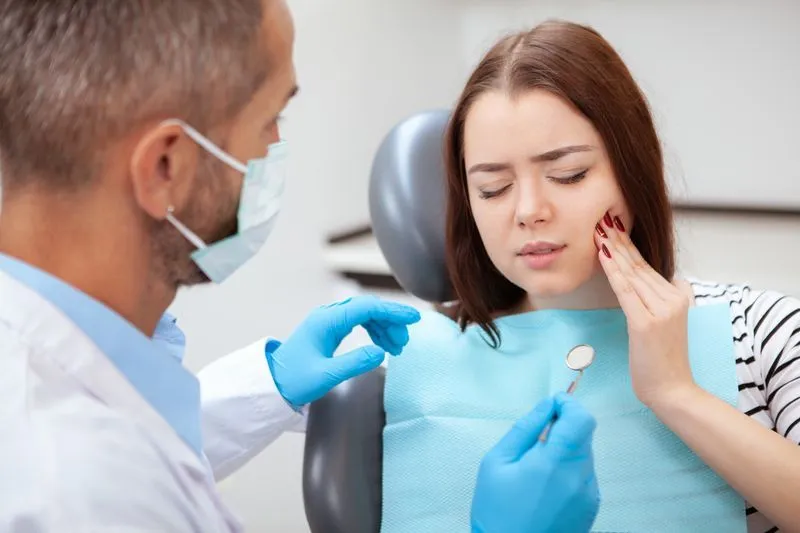

Emergency dentistry services address oral health problems that need prompt attention. These situations often involve severe pain, bleeding, infection, or physical damage to your teeth and gums. You may need emergency care after an accident or when a dental issue develops without warning. Many dental practices offer emergency services, but life-threatening or severe oral concerns may require a hospital visit. Here’s information on emergency dentistry services and what to do in emergency situations:
Find a Location Near You
To stay proactive about your oral health, find dental clinics in your area that offer emergency services. Not every practice handles urgent cases, so research your options before a problem arises when possible. Look into their operating hours and whether they accept walk-in patients, because some clinics require appointments even for urgent visits. Save the contact details of a few nearby clinics for quick access.
Many emergency dentistry providers offer walk-in and appointment-based services, but researching your options before an urgent situation arises helps you know where to go. If you have an active emergency, call a clinic first to confirm they can help you. By describing your situation, a dental clinic can prepare for your arrival and advise you on what to do while you travel there.
Care for Your Teeth and Mouth
Dental emergencies come in many forms, and some common examples include:
- A Broken or Cracked Tooth
- A Knocked-out Tooth
- A Lost Filling or Crown
- Severe Toothache
- Bleeding or Swollen Gums
- An Object Stuck Between Teeth
- Damage to Braces or Other Dental Appliances
For a broken tooth, rinse your mouth gently with warm water to clean the area. If there is swelling, apply a cold compress to the outside of your cheek, and try to keep any broken pieces of the tooth if you can find them. Avoid chewing on that side of your mouth until you see a professional.
A knocked-out tooth requires fast action. Pick up the tooth by the crown, which is the top part, and avoid touching the root. Rinse it gently if it is dirty, but do not scrub it or remove any attached tissue. When possible, place the tooth back into its socket and hold it there. If that is not possible, store it in a container of milk or your own saliva. For a tooth that’s knocked out, you need emergency dental care quickly, so get to a clinic as soon as you can.
Visit a Hospital When Appropriate
Some emergencies go beyond what a dental clinic can manage. In these cases, a hospital emergency room is the right place to visit for care. Head to a hospital if you have a fractured or dislocated jaw, deep facial cuts, or heavy bleeding that will not stop. Signs of a serious infection, such as swelling that affects your breathing or swallowing, also warrant a hospital visit. Hospitals are equipped to handle trauma and conditions that affect more than your teeth. When you are unsure where to go, calling ahead can help you decide the fastest route to care.
Emergency Dentistry
Handling a dental emergency well starts with preparation and quick thinking. When you know which local clinics offer urgent care and how to reach them, you save valuable time during an urgent event. Keep the basics in mind: find a nearby clinic, care for your mouth carefully, and recognize when a hospital is the appropriate option. Store the urgent care phone numbers you need and act promptly when something goes wrong. With these tips, you can face a dental emergency with a clear head and a solid plan. Contact a dental clinic near you to learn about their key services.
