


Missing teeth can affect how you chew, speak, and maintain your mouth. Dental implants offer a practical solution; they address both function and structure. Here’s some information about implants, how they work, and how they compare to other dental options:
Understanding Implant Basics
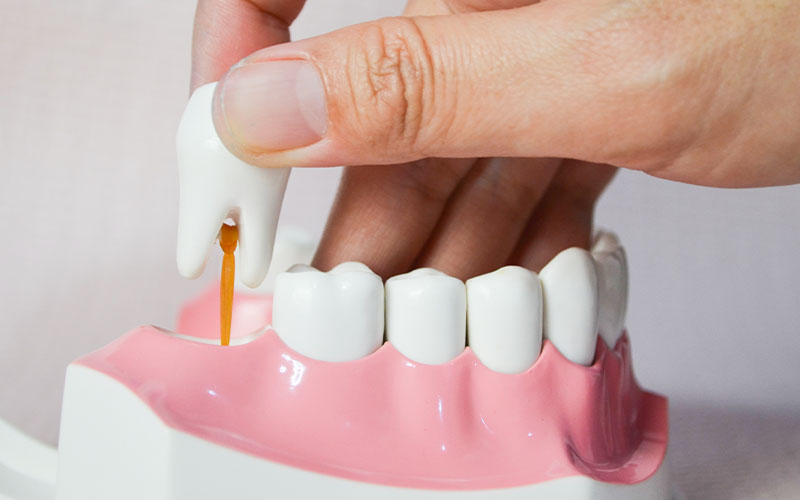
A dental implant is a small post, usually made from titanium, that a dental professional places into the jawbone. The post acts as a foundation, much like a natural tooth root anchors a tooth, and it supports the components placed above it. After the post settles, a connector and a custom-made crown attach on top. This produces a replacement that fits neatly within the existing row.
Dental implants suit a range of needs, whether you are replacing a single tooth, several teeth, or supporting a full set. They are designed to blend in with surrounding teeth for a natural-looking result. Every mouth differs, so the right approach depends on your situation and the recommendation of a qualified professional.
Examining Functional and Structural Advantages
Implants work much like natural teeth. The post stays anchored in the jawbone, so the replacement holds a fixed position; this stability lets you bite and chew without worrying about shifting. The visible crown matches the shape and color of your surrounding teeth, which keeps your smile consistent and your bite properly aligned.
One defining feature of dental implants is their connection to the jawbone. The titanium post fuses with the surrounding bone over time through a process known as osseointegration; this forms a stable, long-term foundation. Each implant is self-supporting, meaning it does not rely on adjacent teeth for stability. Surrounding healthy teeth remain intact and may not require reshaping or additional structural modification.
Suitable implant materials are both safe and strong, so the components are able to withstand regular demands. The titanium post remains in the jawbone over the long term, while the crown handles everyday biting and chewing. With consistent care and routine visits, implants can last a lifetime. The exact lifespan depends on your oral hygiene, your overall health, and the habits you maintain.
Supporting Daily Hygiene
Implants are designed to be cleaned in a manner similar to natural teeth, which can help simplify daily oral care. You brush and floss around them each day, and they remain in place without the need for removal during maintenance. This straightforward routine supports consistent hygiene habits. Following your dental professional’s guidance helps maintain the health of both the implant and the surrounding gum tissue over time.
Comparing Replacement Options
When replacing missing teeth, you can explore several practical solutions, each with distinct requirements and benefits. The number of missing teeth, the condition of the jawbone, and your dental professional’s recommendations all play a role in determining the final plan. Options include:
- Dental implants: These are fixed in place and anchored directly to the jawbone; they do not involve neighboring teeth and are maintained much like natural teeth.
- Bridges: Bridges are supported by the teeth on either side of the gap and often require reshaping those adjacent teeth to secure the restoration.
- Dentures: These are removable replacements that rest on the gums and are taken out for daily cleaning, and they may require periodic adjustments to maintain fit and comfort.
Learn More About Dental Implants
Dental implants provide a fixed, stand-alone solution that works much like natural teeth. They support familiar cleaning routines, and they utilize durable materials, so they hold up well under regular use. If you are evaluating your replacement options, schedule time with a qualified dental professional to review your situation.
