


Skin cancer occurs when abnormal skin cells multiply and grow without control. Dermatologists specialize in keeping your skin healthy, and they use precise methods to identify and stop these harmful cells. When you visit a dermatology clinic, your doctor follows a clear, step-by-step process to evaluate your skin, determine what is happening, and provide the right treatment. Here is some information about these medical steps:
Evaluating Suspicious Spots
A thorough examination starts with your doctor examining your skin closely. Your dermatologist checks you from head to toe, searching for moles or patches that look unusual. They pay special attention to each mark and evaluate the:
- Size
- Shape
- Color
- Border
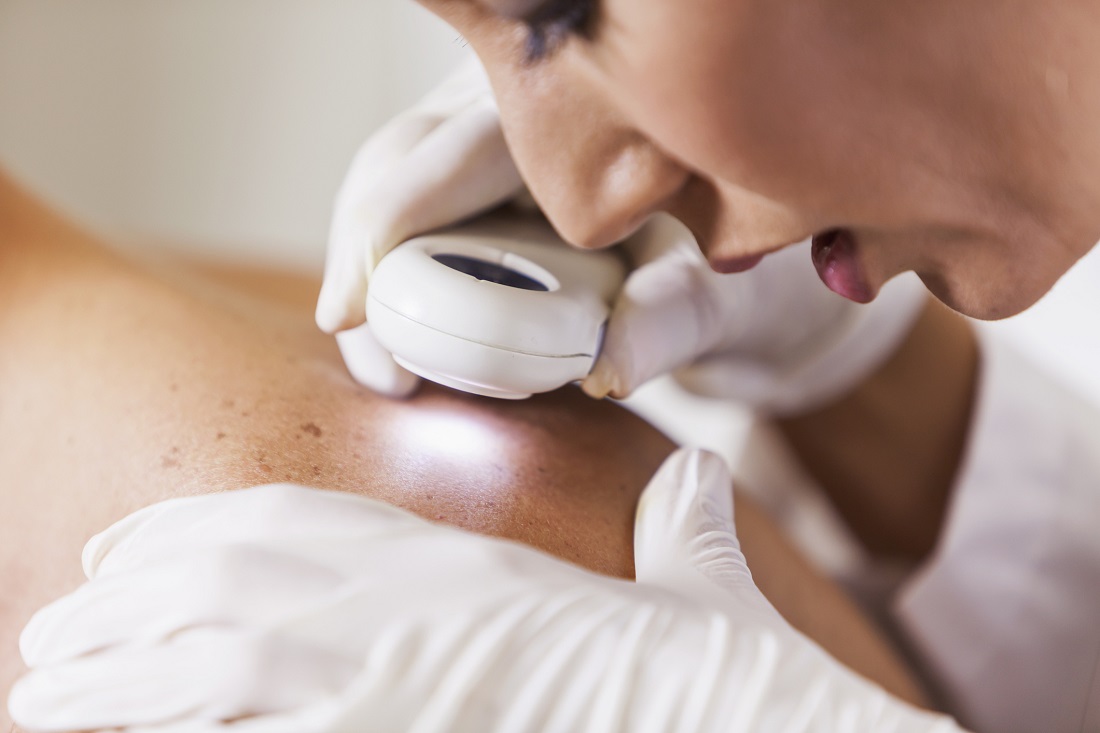
The dermatology expert looks for uneven edges, multiple colors, or spots that change over time. Your doctor may also use a dermatoscope during this visual exam. This handheld magnifying tool shines a bright light on your skin, and it allows the specialist to see deeper layers and patterns that the naked eye misses.
If your doctor spots something unusual, they may take a small tissue sample; doctors call this a biopsy. They numb the area first, and then they gently remove a tiny piece from the spot. A laboratory tests this sample under a microscope to determine exactly what kinds of cells are present. The detailed results tell your dermatologist how to help you.
Treating Abnormal Cells
Once the lab results are available, your doctor will discuss the optimal way to remove the problematic cells. The right choice depends heavily on the size, type, and location of the spot. Dermatologists rely on several highly effective methods to clear your skin and restore your health.
Performing Mohs Surgery
Dermatology specialists use this precise surgical technique to remove dangerous cells; it also helps save as much healthy skin as possible. Your doctor cuts away the visible spot and a tiny margin of skin around it. While you wait in the office, a technician checks the edges of this sample under a microscope. If they find more abnormal cells at the edge, your doctor removes another thin layer only from that exact spot. They repeat this cycle until the edges show only healthy tissue. Doctors frequently recommend Mohs surgery for sensitive areas like your face, neck, or hands.
Scraping and Heating Tissue
For issues that sit right on the surface of your skin, your doctor might choose curettage and electrodesiccation. During this procedure, the dermatologist scrapes away the soft, abnormal cells using a sharp, loop-shaped tool called a curette. Then they use a small electric needle to heat the targeted area. This heat stops any bleeding, and it destroys the remaining bad cells at the base of the wound. Your doctor may repeat this scraping and heating cycle several times to make sure the area remains completely clear of unhealthy tissue.
Freezing With Liquid Nitrogen
Some doctors treat superficial skin cancers by freezing them. During cryosurgery, the dermatologist sprays liquid nitrogen directly onto the targeted area. The freezing temperature immediately destroys the target cells. Over the following weeks, the treated spot turns into a blister, and then it forms a firm scab. The scab eventually falls off naturally, taking the dead cells with it. This quick method requires only a short visit, and it works well for shallow spots.
Find High-Quality Dermatology Care
Finding and treating skin issues early helps promote positive outcomes. Dermatologists use careful visual exams and biopsies to determine what’s happening on your skin. Once they know the facts, they use effective treatments like Mohs surgery, scraping, or freezing; these help remove the harmful cells completely. You can also take proactive steps to keep your skin safe, such as applying daily sun protection. Call a local dermatologist today to schedule your annual skin check.
