


A dental implant is a small post, usually made of titanium, that a dentist places into the jawbone to replace a missing tooth root. Once the post integrates with the jawbone, it supports a restoration like a crown, bridge, or denture. Implants are a common option for people who have lost one or more teeth due to decay or injury. Here’s information on the process of getting dental implants:
Learning About Dental Implants
The first stage in getting a dental implant is a consultation. During this visit, a dentist will examine your mouth, review your dental history, and take images such as X-rays or a CT scan. These images help the dentist assess the condition of your jawbone and plan the placement of the implant. Some people need additional preparation before implant surgery. If your jawbone lacks sufficient density, the dentist may recommend a bone graft, which can add several months to the overall timeline.
Depending on your situation, you may need to have existing teeth removed or to undergo gum treatment before you are eligible for dental implants. Your dentist will explain what applies to your situation and outline a treatment plan based on your needs. This planning phase also gives you time to ask questions. You can discuss the number of appointments, the expected treatment timeline, and the type of restoration that will be attached to your implant.
Getting the Implants
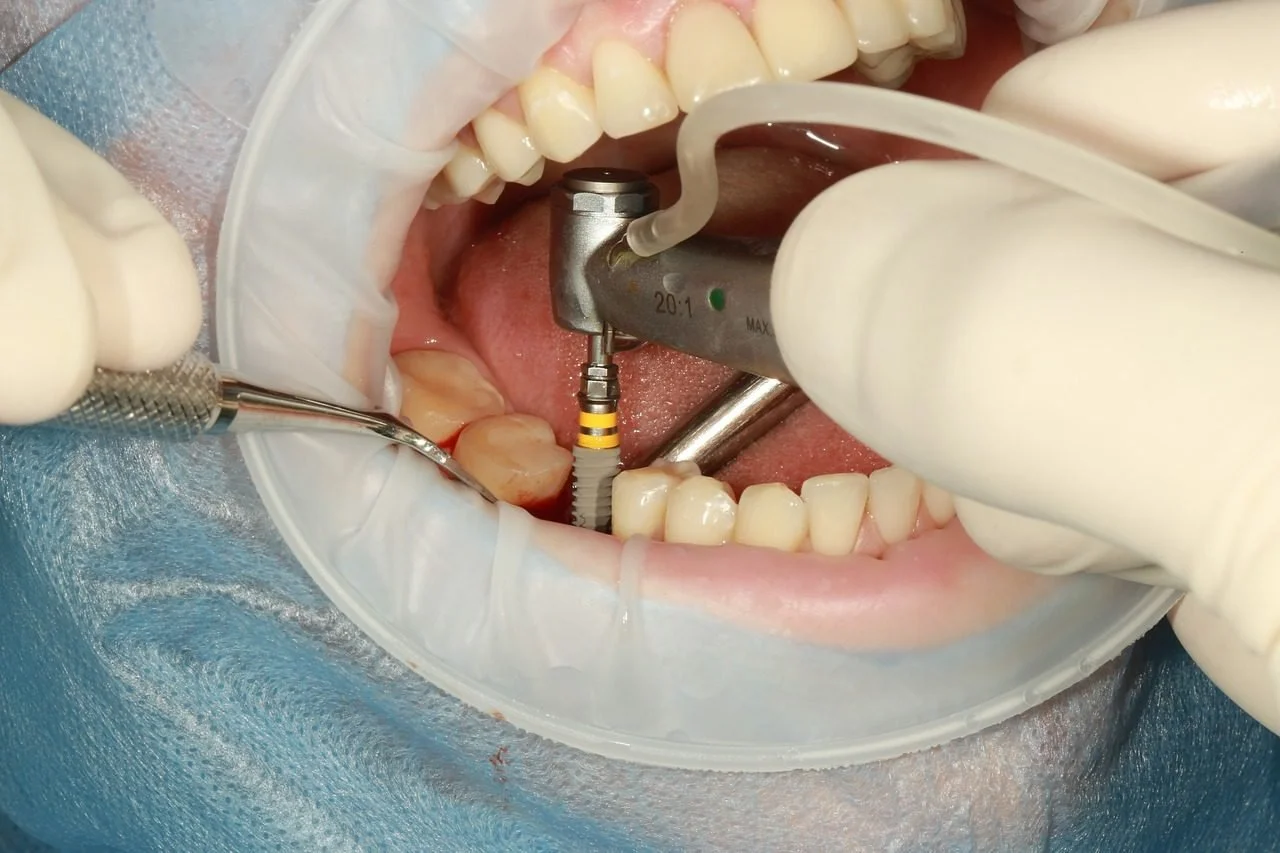
After determining your care plan, your dentist will schedule the surgical placement. During this procedure, the dentist administers a local anesthetic to numb the area, then they make a small opening in the gum to access the bone. The implant post is placed into the jawbone, and the gum is closed over or around it.
After placement, a healing period follows. This recovery stage involves osseointegration, which allows the bone to grow around the implant and hold it firmly in place. Osseointegration often takes several weeks to a few months, depending on the individual.
When the implant has integrated with the bone, your dentist attaches a small connector called an abutment. This piece links the implant to the final, visible restoration. The final restoration involves placing a crown, bridge, or denture, designed to match the shape and color of your surrounding teeth.
Recovering From the Procedure
Recovery differs from patient to patient. After surgery, you may notice swelling, minor bruising, or tenderness near the implant site. These effects usually ease within a few days. Your dentist will provide instructions on managing discomfort, caring for the area, and eating during the early recovery period. Soft foods are often recommended in the days following surgery. As the site heals, you can gradually return to your regular diet.
Keeping the area clean is a fundamental part of the process, so your dentist will explain specific brushing and rinsing techniques. Follow-up appointments allow your provider to monitor healing and confirm that the implant is integrating properly. Attending these visits helps the dentist catch any concerns early. Once the restoration is in place, you care for the implant much like your natural teeth, with regular habits like:
- Brushing
- Flossing
- Attending Dental Checkups
Find a Dentist Today
Getting dental implants is a multi-step process that requires planning, surgery, and a period of healing. The full timeline, from consultation to final restoration, can range from a few months to a year or more. Factors such as bone health, the number of implants, and any preliminary procedures all influence the length of the process. To learn about the personalized benefits of implants, contact a dental professional. A consultation gives you the chance to review your options, ask questions, and learn what the process might look like for you.
