

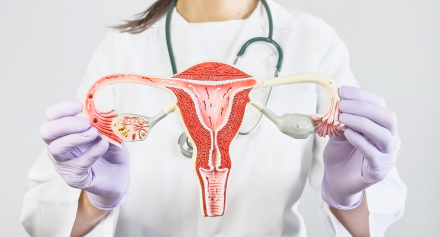

A hysterectomy removes the uterus. The surgery may also remove the cervix; the surgeon may take out nearby structures like the ovaries and fallopian tubes. Doctors recommend the procedure for several reasons, and these include fibroids, uterine prolapse, cancer, endometriosis, and abnormal bleeding; surgery for noncancerous causes usually follows other treatments that did not work.
Types of Procedures
Surgeons choose how much of the uterus to remove based on the reason for the operation. The supracervical or subtotal hysterectomy removes only the upper part of the uterus, and it leaves the cervix in place. A total hysterectomy removes the whole uterus and cervix, while a radical hysterectomy removes the uterus, the cervix, the tissue on the sides of the uterus, and the top part of the vagina. A radical procedure usually applies when cancer is present. The surgeon may remove the ovaries in a step called oophorectomy, or leave them in place; the removal of the tubes carries the name salpingectomy.
Patients may hear several terms during treatment planning. The names describe which structures the surgeon removes; each procedure serves a different purpose. A discussion with a physician clarifies these distinctions; a clear understanding of the terminology helps patients review their options before surgery.
Surgical Approaches
Two broad approaches exist, and the surgeon selects one based on experience, the reason for the operation, and the patient’s overall health. An abdominal hysterectomy is open surgery, and it accounts for about 54% of procedures done for noncancerous conditions. The surgeon makes a 5- to 7-inch cut across the belly, removes the uterus through the opening, and leaves a visible scar after healing. Patients typically spend two to three days in the hospital after open surgery. A minimally invasive procedure offers several techniques. The list below outlines the main options:
- Vaginal hysterectomy
- Laparoscopic hysterectomy
- Robot-assisted laparoscopic hysterectomy
A minimally invasive approach allows faster recovery, shorter hospital stays, and less pain and scarring, and it carries a lower chance of infection. This approach does not suit everyone, since scar tissue, uterus size, and overall health all affect eligibility.
Post-Procedure Considerations
Recovery times vary by approach. Patients who undergo a minimally invasive procedure generally resume normal activity within three to four weeks, while those who have an abdominal hysterectomy need four to six weeks. Most patients receive instructions to avoid sex and heavy lifting for six weeks, and spotty vaginal bleeding may continue for up to six weeks after surgery.
The operation affects fertility and hormones. A patient can no longer become pregnant after the uterus is removed; a patient whose ovaries are also removed enters menopause. Menopause symptoms may include hot flashes, sleep trouble, and vaginal dryness, though a patient who keeps the ovaries may still reach menopause at an earlier age. Risks remain low for most people, but possible complications include urinary incontinence, vaginal prolapse, fistula formation, and chronic pain.
Schedule Your Hysterectomy
A hysterectomy is major surgery, and doctors recommend it only after other treatments fail. The procedure can save lives in cancer cases; it can relieve symptoms from conditions like fibroids and endometriosis. Patients can review the types, the surgical approaches, and the recovery expectations, and a doctor can help weigh the benefits against the risks before any decision. Schedule your hysterectomy today.
