

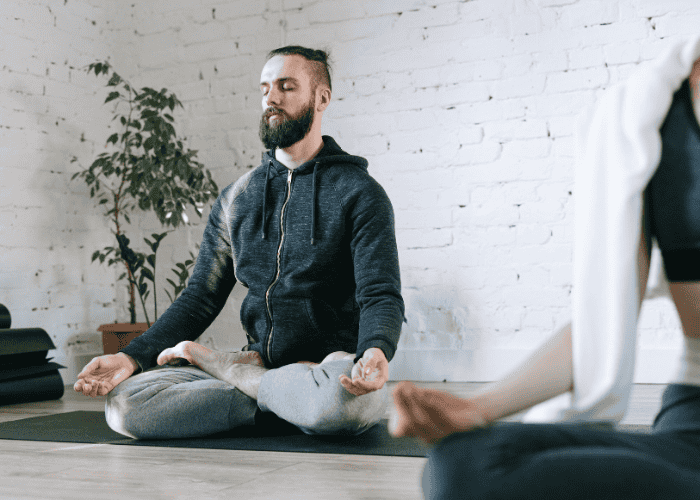

Anxiety can affect daily routines, emotional well-being, sleep, focus, and overall quality of life. While professional care may be needed for ongoing or severe symptoms, self-care practices can help individuals manage stress and support a calmer state of mind. Here is more information on self-care practices to alleviate symptoms of anxiety:
Common Anxiety Triggers
Identifying specific stressors is a key step in managing symptoms of anxiety. Triggers vary among individuals, and they often include environmental or psychological factors. When patients understand these specific catalysts, they can develop targeted strategies that effectively reduce anxious thoughts. Here are some anxiety triggers:
- Workplace stress: High-pressure professional environments may elevate stress hormones.
- Social interactions: Crowded spaces or unfamiliar social settings can initiate acute stress responses.
- Financial concerns: Budgetary constraints may create persistent worry, exacerbating psychological distress.
Recognizing these triggers helps individuals identify behavioral patterns over time. Patients can document these events in a journal, and they can review the data during therapy sessions.
Effective Calming Techniques
Calming techniques provide immediate relief during periods of acute stress. Breathing exercises may lower the heart rate, and mindfulness practices ground individuals in the present moment. If a person feels overwhelmed, they can practice progressive muscle relaxation to release physical tension.
Deep breathing regulates the autonomic nervous system effectively. Individuals inhale slowly through the nose, and they exhale completely through the mouth. When they practice this breathing technique daily, they train their bodies to recover from anxious feelings rapidly.
Mindfulness redirects attention away from distressing cognitive patterns. Practitioners focus on sensory inputs, and they observe their immediate environment without judgment. A person may identify five objects in the room during an episode while systematically regulating their breathing.
Healthy Daily Routines
Consistent daily habits often lay the foundation for mental stability. Predictable schedules can regulate biological rhythms, and they decrease the cognitive load on the brain. Here are some key daily routines patients should pay attention to:
- Sleep hygiene: A consistent sleep schedule can repair neural pathways and stabilize mood.
- Nutritional intake: Balanced diets supply the brain with fundamental nutrients that regulate neurotransmitter production.
- Physical activity: Routine exercise helps metabolize stress hormones and release natural endorphins.
These routine adjustments significantly diminish the baseline level of anxiety. People require time to adopt new habits, and they must remain committed during this transition period.
Timely Professional Support
Self-care practices provide substantial benefits for mild psychological distress. Sometimes these methods prove insufficient, and individuals require clinical intervention. If symptoms begin to impair occupational or social functioning, Patients must schedule an evaluation with a licensed therapist.
Persistent physical symptoms indicate a need for professional assessment. Chronic insomnia disrupts recovery, and frequent panic attacks require specialized psychological care. When anxious feelings escalate despite consistent self-care efforts, professional guidance becomes a fundamental component of recovery.
Therapists use evidence-based modalities for underlying psychological conditions. Clinicians assess the root causes of distress, and they develop individualized treatment plans. Although self-care remains beneficial, professional therapy addresses complex behavioral patterns that independent practices cannot resolve.
Manage Anxiety With Professional Support
Effectively managing anxiety requires a multifaceted approach that combines self-care strategies with professional support when necessary. While routine self-care practices play a significant role in maintaining emotional well-being, they may not address complex psychological challenges. Professional therapy uses evidence-based techniques and individualized treatment plans to tackle the root causes of distress. Contact a trusted mental health specialist near you to schedule your anxiety appointment today.
