

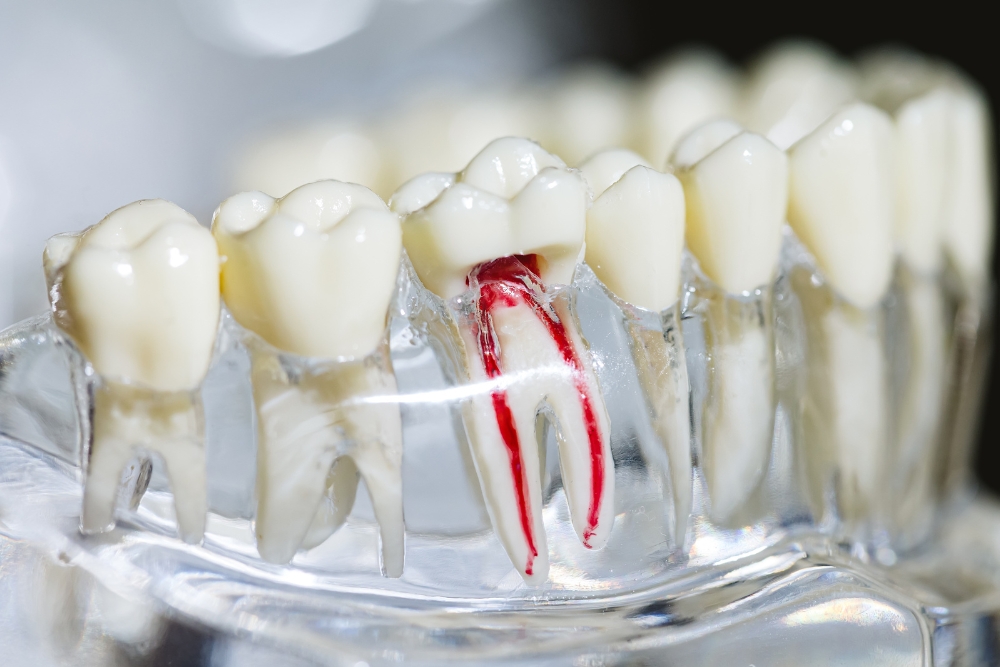

Dental health requires regular monitoring to identify potential problems early. When the inner tissues of a tooth become compromised, patients often require specialized clinical interventions. A root canal is a standard dental procedure, and it aims to preserve the structural integrity of an infected tooth. Here is more information on what signs indicate the need for a root canal:
What Is a Root Canal?
A root canal is a dental treatment that targets the pulp inside a tooth. The dental pulp contains nerves, blood vessels, and connective tissue, which facilitate tooth development. Dentists perform this procedure to remove infected material from the inner chamber, and they seal the area to prevent future bacterial intrusion. This intervention allows the patient to retain their natural tooth structure rather than undergoing an extraction.
Why Is It Conducted?
Clinical professionals conduct this procedure to resolve deep infections that reach the dental pulp. Bacteria enter this vulnerable area through severe decay, deep cavities, or physical trauma to the tooth. Removing the infected tissue prevents the spread of bacteria to adjacent teeth, and it protects the surrounding jawbone from potential abscess formation.
Untreated infections may cause severe localized bone loss in the jaw. Dentists prioritize saving the natural tooth because it maintains normal chewing function and prevents neighboring teeth from shifting. Preserving the original structure may eliminate the need for complex artificial replacements, and it promotes better overall oral mechanics.
What Does the Process Involve?
A dentist administers local anesthesia to numb the affected area, and they create a small access opening in the crown to reach the pulp chamber. After accessing the pulp, the dentist uses specialized instruments to carefully clean the narrow canals. They shape the interior spaces and apply a biocompatible material called gutta-percha to seal the roots. A temporary filling is placed to close the opening until a permanent crown can be manufactured and fitted.
The final step requires a follow-up appointment to place a permanent restoration. The dentist removes the temporary filling, and they cement a custom-fitted crown over the treated tooth. This structural reinforcement protects the tooth from future fractures since a tooth without its pulp becomes relatively brittle over time.
What Signs Indicate a Problem?
Patients may display several distinct clinical symptoms when the dental pulp becomes severely infected or inflamed, including:
- Spontaneous, severe pain that occurs without an obvious trigger and intensifies during chewing or biting.
- Prolonged sensitivity to hot or cold temperatures, where the sensation lingers after the stimulus is removed.
- Swollen, tender gums near the infected root or a recurring pimple on the gums, which indicates an abscess.
- Dark discoloration of the tooth, suggesting internal tissue damage.
These physical manifestations suggest an active bacterial infection and warrant immediate clinical evaluation.
How Can a Dentist Help?
A licensed dental professional provides the diagnostic expertise needed to identify internal tooth infections. Dentists use advanced imaging tools, such as X-rays, to examine the root structure, allowing them to accurately assess the extent of the damage. They formulate a targeted treatment plan based on these clinical findings, and they execute the necessary procedures to restore oral health.
Seek Professional Care Now
Ignoring the symptoms of an infected tooth may lead to severe complications and potential tooth loss. Patients should schedule a comprehensive dental examination if they experience persistent pain or visible swelling. Prompt clinical intervention stops the progression of infection, and it preserves the functionality of the natural tooth. Contact a local dental clinic today to book an assessment and receive appropriate medical guidance.
