

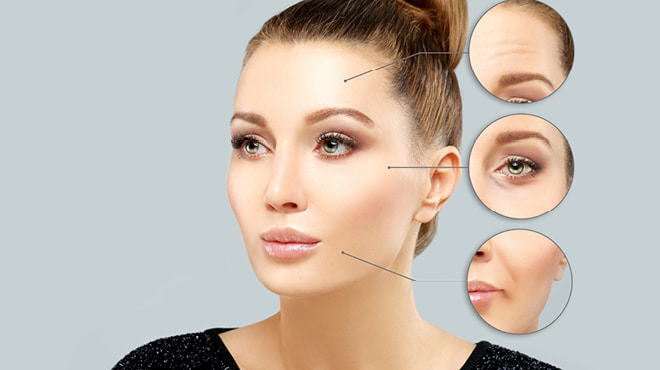

Botox is a widely recognized cosmetic treatment for managing facial lines. It works by targeting specific muscles; it reduces the movements that lead to wrinkling over time. Because these injections limit muscle activity in treated areas, the lines that form from repeated expression soften, and the skin gains a smoother appearance while the effect remains active.
Understanding How Botox Works
Botox is an injectable fluid that contains a neurotoxin called botulinum toxin. The toxin blocks nerve impulses; this action temporarily weakens the muscles that cause wrinkles. When these muscles relax, the skin above them appears smoother; the lines that form from expression become less visible. Because the muscles cannot contract as forcefully, dynamic wrinkles soften, and the treated area gains a more refreshed look while the effect remains active.
The injections target dynamic wrinkles, which appear when a muscle contracts during actions such as smiling or frowning. Botox interrupts the signal between nerves and muscles; it stops the repeated contractions that deepen these lines. By limiting muscle movement in specific areas, the treatment can reduce the repetitive facial movements associated with wrinkle formation; it helps maintain a smoother surface as long as the toxin stays in effect.
Examining the Treatment Process
The Botox procedure is simple. A provider uses a very small needle to inject small amounts of the toxin into the areas of concern; the fine needle minimizes discomfort. Because the procedure is nonsurgical and takes about 10 minutes, you can return to work or other activities immediately after treatment; most patients describe the sensation as a small prick with slight stinging.
Before the injections, you will have a consultation with a provider who reviews your goals and health history. The provider examines your face, discusses the benefits and risks, and may take photographs for your medical record before recommending a course of treatment. Since the procedure requires no recovery time, you go home the same day; most people resume normal activities without interruption.
Reviewing the Expected Results
Botox results become fully apparent within five to seven days; they typically last about three to four months. The effect is temporary. Because the toxin wears off over time, many patients schedule follow-up injections every three to four months; some notice that the results last longer with repeated treatments.
Results vary for each person, depending on the severity of the wrinkles and the strength of the treated muscles. Botox reduces facial lines, but it does not address skin laxity or other age-related features such as jowls. If your goals extend beyond what Botox can achieve, a provider can recommend other treatments that suit your needs; you can build a plan that combines several approaches.
Botox is FDA-approved for the temporary treatment of frown lines and crow’s feet; providers use it to address forehead lines as well. Good candidates are adults who want to improve the appearance of these lines, and a consultation confirms whether the treatment fits your situation. People who are pregnant, breastfeeding, or allergic to the product ingredients are not suitable candidates for the injections.
Schedule a Botox Consultation Today
Botox softens dynamic wrinkles and slows their progression. The procedure is quick and requires no downtime, and because it delivers visible results within a week, it remains a popular choice among nonsurgical cosmetic treatments. A consultation with a board-certified provider helps determine whether Botox suits your goals. Contact a qualified dermatology or cosmetic surgery office to schedule your Botox consultation, and you will learn how this treatment can fit into your wrinkle prevention plan.
