

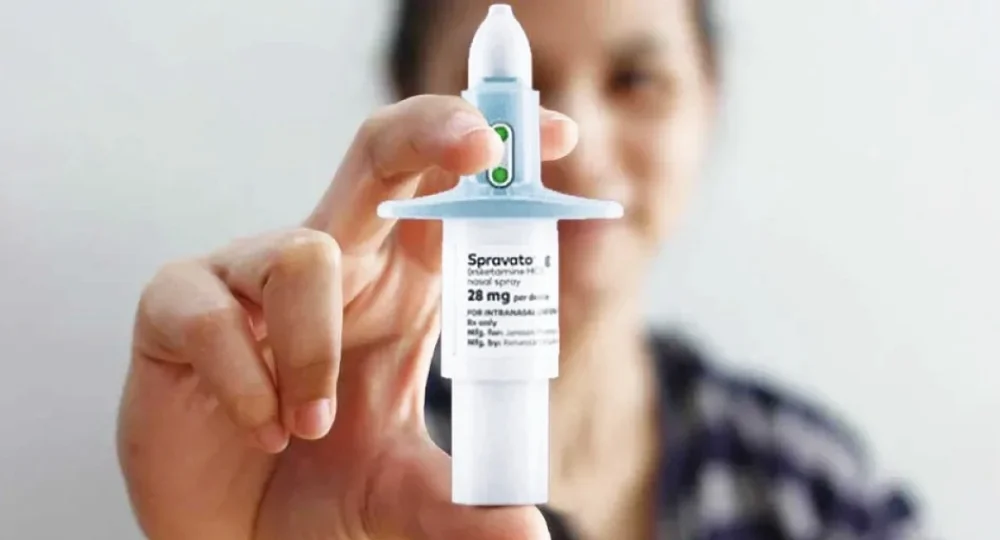

Spravato is a prescription nasal spray that contains esketamine, a compound used for treatment-resistant depression. Spravato treatment is administered in a certified medical setting under the supervision of a healthcare provider. Doctors often pair it with an oral antidepressant when standard medications have not produced an adequate response. This medication works differently from typical medications, and it relies on a specific chain of neurotransmitter changes to affect the patient positively.
Receptor Blockage
Esketamine acts on a specific docking site in the brain called the NMDA receptor. This receptor normally responds to glutamate, a chemical messenger that carries signals between nerve cells, and esketamine attaches to it in a way that limits that activity. The block is temporary, and it lasts only while the compound remains active in the system.
Many older antidepressants target serotonin or norepinephrine, but Spravato treatment follows a different path. When the NMDA receptor is blocked, a chain of cellular events begins. This shift changes how nerve cells communicate, and researchers study these changes to understand the mechanism behind the medication.
Glutamate Production
After the receptor is briefly quieted, a rebound in glutamate signaling can follow, and this surge reaches other receptor types on nearby cells. Glutamate is the most common excitatory messenger in the brain. The increased signaling appears to influence pathways tied to cell growth and connection, and scientists track these pathways closely in clinical research. This process forms a central part of the working model for esketamine.
Connection Recreation
Depression is linked to weakened connections between certain nerve cells. The points where these cells meet are called synapses, and reduced signaling at these points can affect mood and thinking. This loss of connection is a feature seen in many people with long-term symptoms.
Esketamine can play a possible role in supporting the formation of new synaptic connections. The glutamate activity that follows receptor blockage may trigger proteins that help nerve cells build new links, helping to reduce depression symptoms. These structural changes are often gradual, and observers may measure them over a period of hours and days. The model connects the early chemical steps to later shifts in brain wiring.
This sequence helps explain why the timing of esketamine differs from that of many oral antidepressants. Standard medications often take several weeks to alter mood, while studies report quicker shifts with esketamine in some patients. The effect is not permanent, which is why Spravato is often combined with traditional medications. Ongoing treatment sessions are scheduled to maintain a response as needed, and many patients often also receive therapy. A clinician monitors progress and adjusts the plan based on each person’s symptoms.
Learn More About Spravato Treatment
Spravato works through a chain of steps that begins with NMDA receptor blockage, continues with a rise in glutamate signaling, and may support the rebuilding of nerve cell connections. Each step links to the next, and clinical teams track these stages during supervised medication administration sessions. The treatment is not suitable for everyone, and a medical evaluation determines whether it fits a given case. Contact a certified Spravato provider to schedule a consultation and review the treatment process in detail.
