

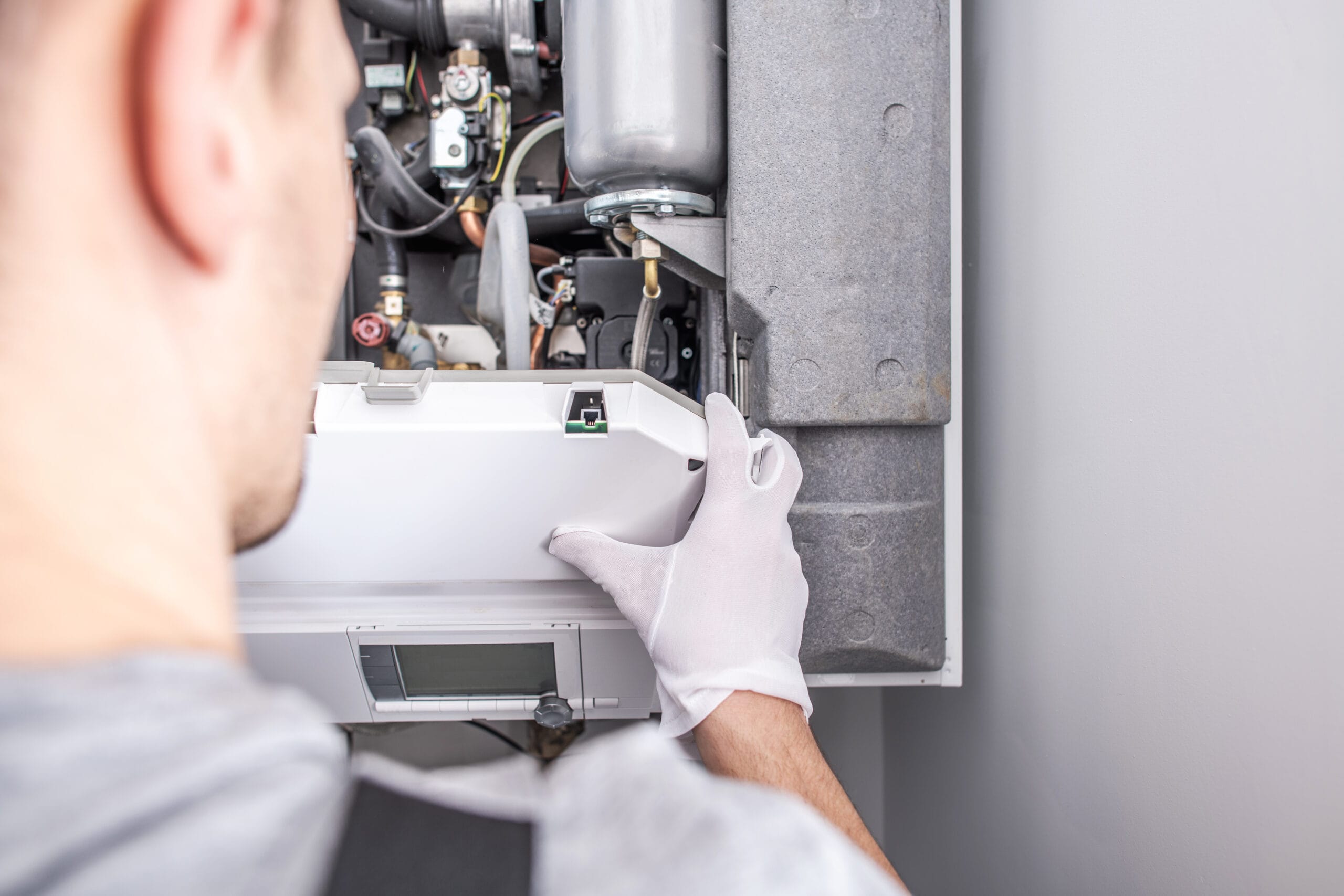

A furnace relies on its ignition system, thermostat, and airflow components to generate and distribute heat. Problems with these components can interrupt heating, while normal wear and tear reduces system efficiency. Regular maintenance helps technicians catch potential issues early and keep the furnace operating reliably. Here are a few reasons homeowners call for furnace repairs:
1. Furnace Ignition System Failures
A furnace needs a working ignition system to start its heating cycle. A pilot light that keeps going out often points to a fault in the pilot assembly. The furnace may then struggle to stay on, and simply relighting the pilot will not solve the problem.
Electronic ignition systems start furnace burners without using a continuously burning pilot flame. When this system fails, the furnace may not start even though its other components are working properly. Ignition problems also involve the ignitor or flame sensor, which serve different purposes. The ignitor starts combustion, and the flame sensor confirms that a flame is present.
A faulty ignitor fails to light the burners, while a defective flame sensor triggers a furnace shutdown when it does not detect a flame. HVAC specialists are able to examine the ignitor and flame sensor to identify the source of ignition failure and determine the necessary furnace repair solutions. Repairs aim to restore reliable ignition and make sure the flame sensor detects the burner flame correctly.
2. Heat Exchanger Damage
The heat exchanger separates combustion gases from the air circulated throughout a home. Cracks in this component compromise that separation and allow combustion gases to enter the indoor air supply. Specialized camera inspections help technicians identify hairline cracks that are difficult to see during a standard inspection. Technicians also measure carbon monoxide levels to check for signs of combustion problems, and they inspect the venting system to evaluate how exhaust gases leave the furnace. These findings help determine whether the heat exchanger requires repair or replacement.
3. Furnace Airflow Problems
Restricted airflow affects how effectively a furnace distributes heated air throughout a home. Air circulation problems can result from faults or obstructions in different furnace components. These include:
- Dirty air filters
- Blocked or closed supply vents
- Leaking or damaged ductwork
- Blower motor or fan problems
Dirty air filters reduce the amount of air entering the furnace, while duct leaks release heated air before it reaches occupied rooms. Blocked vents limit air delivery, and blower problems reduce circulation through the duct system. Inspecting these components helps identify the source of restricted airflow and determine the appropriate furnace repair.
4. Thermostat Control Problems
A faulty thermostat often disrupts furnace operation even when the heating equipment remains functional. Incorrect temperature readings, depleted batteries, or unsuitable settings may prevent the system from responding as expected. Some thermostats rely on a low-voltage transformer for power; others use batteries or a common wire. Insufficient power often causes the display to go blank or the controls to stop responding.
Faulty wiring interrupts communication between the thermostat and furnace. Worn controls also affect temperature regulation, and incompatible replacement thermostats create operating problems. Having a professional check the thermostat helps reveal wiring faults, inaccurate readings, and compatibility issues.
Get Professional Furnace Repair Services
HVAC specialists inspect affected components and identify faulty parts before recommending furnace repairs. Inspection findings help determine the cause of the problem and the work needed to address it. Damaged components sometimes require cleaning, electrical adjustments, or replacement to restore proper furnace operation. Schedule a furnace inspection today.
