

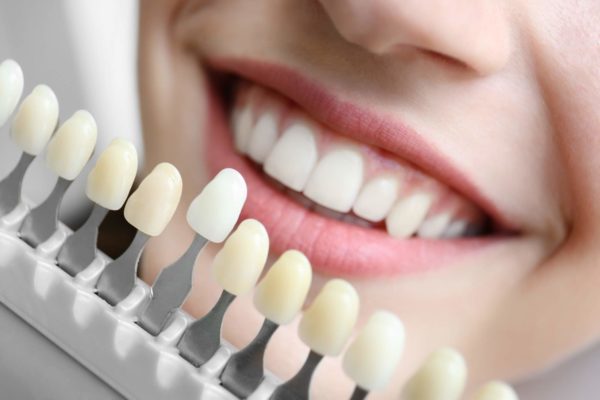

Dental veneers offer a practical solution for specific dental issues. You can review different veneer materials, and you understand their specific applications. When you evaluate your options, you learn the basics.
Common Imperfections to Treat
Veneers cover chips, fractures, and surface cracks by providing a smooth layer that matches your existing teeth. If you have a chipped tooth, a veneer helps restore its shape. Your provider reduces irritation from sharp edges. For teeth with fractures, a veneer provides added support and stability. A veneer acts as a barrier, and it helps your tooth keep a uniform appearance.
Your dentist may match the size and shape of adjacent teeth. The goal is a more symmetrical look. If you are concerned about the space between your teeth but want an option besides braces, veneers can adjust the width and alignment of your visible teeth. Some stains do not respond to professional whitening, so veneers are an option to conceal persistent discoloration. Veneers improve the appearance of misshapen teeth.
Available Materials to Use
Dentists apply tooth-colored composite resin directly to your teeth, and they shape it to match your natural contours. This material addresses mild cosmetic issues, and they use dental bonding techniques that sometimes require little or no reduction of your tooth enamel. Minor chips, small gaps, or isolated discoloration can be improved with this approach. Repairs are made if the veneer becomes damaged. Regular dental checkups help you maintain your results, and your dentist will provide home care instructions. You brush and floss as usual, though avoiding biting into hard objects helps protect the veneer from damage. Composite veneers can improve the appearance of your teeth while preserving natural tooth structure. Porcelain veneers address aesthetic imperfections across several teeth.
Practical Advantages of Veneers
These dental restorations are designed to blend with your natural teeth, and they provide a uniform and pleasing appearance. Veneers are used to improve color, shape, and symmetry. For planning, these details support conversations with your dentist about long-term dental care.
- Porcelain veneers tend to resist stains more than natural enamel, so color changes are less likely.
- Routine oral hygiene remains the recommended maintenance.
- The materials used for veneers withstand chipping and cracking under normal use.
- With consistent care and dental visits, veneers typically last 10 to 15 years.
Your daily oral hygiene routine stays the same. You brush your teeth as usual, and you floss between them without special tools. The materials are durable, so you can clean them easily, and their appearance remains consistent. Lifelike results support your dental function. As you adjust to new restorations, your bite remains steady. The smooth surfaces match your natural teeth, and the strong materials handle normal biting pressure.
Book a Consultation Today
Schedule an evaluation with your dental provider. You must discuss your specific needs, and your dentist will outline the best treatment plan. Because each mouth is unique, you should ask questions. Your dentist examines the thickness of your enamel, and they thoroughly evaluate your overall oral health. When you understand the available options, you make informed decisions.
