

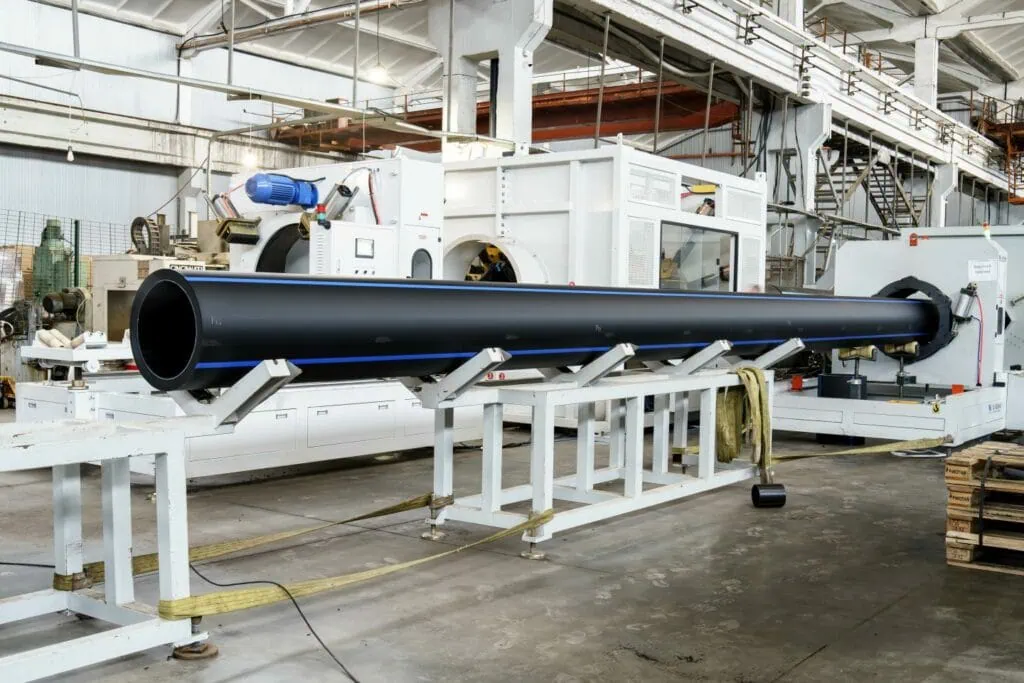

Plastic extrusion is a manufacturing process that melts raw plastic and forces it through a shaped opening called a die. When stacked together, this method can be used to produce custom products for a variety of industries. Because the molten material takes the form of the die as it cools, the process yields uniform products. Pipes, tubing, sheets, and profiles all come from this method. Many industries rely on it to produce parts at scale.
Healthcare
Medical settings use plastic extrusion technology in tubing that moves fluids, gases, and medication through controlled pathways. The tubing must meet strict size limits, so manufacturers calibrate the die and cooling stages with care. Each batch is inspected for diameter and wall thickness. Because this method can be so precise, it is able to produce intricate and delicate medical-grade products.
Catheters are another common application, and they often combine several plastic layers within a single thin wall. Single-lumen and multi-lumen designs serve different clinical needs. Even if the structures differ, the extrusion principle stays the same. These devices often combine two kinds of plastic, one flexible and one rigid, to combine unique properties.
Automotive
Vehicles contain many extruded components that seal, protect, or guide other parts. Weather seals around doors and windows are extruded into precise profiles, and these profiles block water and reduce noise. Trim pieces and fuel lines also start as extruded shapes, then they’re processed to fit specific molds. The process supports steady, repeatable output. Since these methods use plastic rather than metal, parts are more lightweight. Parts can be custom designed to meet the specific needs of vehicles.
Appliances
Household appliances depend on extruded plastic for both structural and protective functions. Refrigerator door liners and gaskets keep cold air contained, and the same gaskets cushion the seal against the frame. Tight tolerances govern how these parts fit. Since these parts form an airtight barrier, they improve the efficiency of the appliances, so less energy is used to keep the interior cold.
Washing machines and dishwashers use extruded hoses to carry water in and out, and other appliances using water often use similar parts. The hoses resist pressure and temperature changes during normal operation, so manufacturers select materials that hold their shape under stress. Reinforced walls add durability, so choosing a proper material during the extrusion process makes a difference.
Wiring channels and edge trims are part of a variety of home appliances, insulating wiring from the rest of the machines. These small profiles route cables and cover sharp edges within the cabinet, and their simple cross-sections come straight from the die. Color and texture can be adjusted during production, which can help with specific needs for certain appliances. Such flexibility expands the range of uses.
Learn More About Plastic Extrusion
Plastic extrusion technology continues to develop in a variety of industries, and the ability to custom-build unique shapes and sizes makes it applicable for common applications. Since many industries require specific parts and materials, this method is helpful for a building for projects. Learn more about plastic extrusion possibilities by contacting a plastic extrusion specialist to discuss your building needs.
