

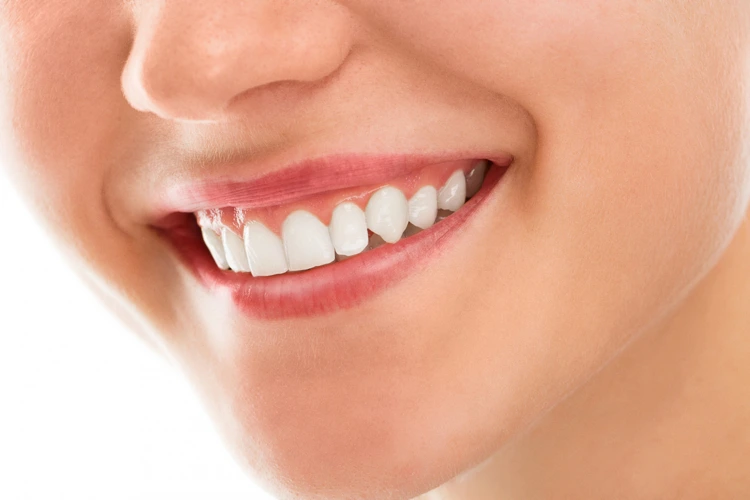

Tooth discoloration is common, affecting a patient’s appearance and daily life. A variety of factors can cause teeth to yellow or stain over time; these causes range from diet and lifestyle choices to aging. Professional teeth whitening offers a reliable, clinically tested solution to brightening the smile. Here is more information on what causes discoloration, what teeth whitening is, and what to expect from the process:
What Causes Tooth Discoloration?
Teeth can lose their whiteness for a number of reasons. Food and drinks like coffee, tea, and red wine are common causes, as their pigments bind to tooth enamel over time. Tobacco use, certain medications, and natural aging also contribute to staining. Teeth whitening is one of the most effective ways to reverse this discoloration, and a cosmetic dentist performs this procedure.
Discoloration falls into two categories: extrinsic and intrinsic. Extrinsic staining affects the outer surface of the tooth, while intrinsic staining occurs within the tooth structure itself. Both types have the potential to respond well to professional whitening, though intrinsic staining may require more intensive treatment.
What Is Teeth Whitening?
Teeth whitening is a cosmetic dental procedure that lightens the color of the teeth. It uses bleaching agents to break down stain molecules on and within the enamel, and the result is a visibly brighter smile in a short period of time. Professional whitening differs from over-the-counter products. In-office treatments use higher concentrations of whitening agents under controlled conditions, producing faster and more consistent results. For patients seeking reliable outcomes, professional treatment is valuable.
How Does It Work?
The core mechanism relies on the oxidation of stain molecules. Active ingredients such as hydrogen peroxide penetrate the porous enamel surface, and they release oxygen radicals within the tooth structure. Once these radicals reach the discolored particles, they break apart the carbon bonds.
Dentists use advanced systems such as in-office Philips Zoom! Teeth whitening, and this specific protocol combines a proprietary peroxide gel with an LED light accelerator. The light energy catalyzes the chemical reaction. Because the light accelerates the oxidation process, the treatment achieves maximum clinical efficacy.
What Does the Process Involve?
The clinical procedure begins with a comprehensive oral examination, and a dental professional will conduct a standard cleaning. A dental hygienist may isolate the teeth by applying a protective barrier over the gums, which protects the soft tissues from chemical burns. The clinician proceeds with the chemical application after the barrier has completely cured.
A cosmetic dentist applies the whitening gel directly to the front surface of the teeth. They then position an accelerator lamp over the treatment area, and the gel remains on the teeth for multiple cycles. As the session progresses, the dentist may monitor the patient’s comfort to prevent severe sensitivity.
The clinician removes the gel, and they will evaluate the new shade. Patients receive specific post-treatment instructions regarding dietary restrictions, which they should strictly follow. Avoiding pigmented foods prevents immediate re-staining.
What Are the Benefits?
Professional whitening offers a range of advantages over at-home alternatives, including:
- Faster results
- Stronger formulas
- Supervised treatment
- Long-lasting effects
- Customized approach
Professional whitening also benefits patients with stubborn staining that has not responded to store-bought products.
Seek a Whiter Smile Now
Tooth discoloration is a common and treatable condition. Professional teeth whitening offers a clinically effective way to restore your smile’s brightness, and the treatment is tailored to your specific dental profile. If you have discolored teeth, schedule a consultation with a cosmetic dentist to find out whether professional teeth whitening is the right option for you.
