


Vein specialists evaluate and manage disorders that affect how blood moves through the veins. This area of care includes varicose veins; these often appear as enlarged, twisted veins in the legs and can lead to venous thrombosis. Both varicose veins and venous thrombosis involve vein structure, blood flow, and valve function. A specialist reviews visible symptoms and imaging results to build a suitable treatment plan. Here’s information about how vein specialists diagnose and treat conditions like venous thrombosis:
Reviewing Vein Function
Veins return blood to the heart. Inside them, small valves help keep blood moving in the right direction. When those valves weaken or stop closing well, blood may pool in the legs. This pressure sometimes leads to bulging surface veins, swelling, or skin changes over time; this is how varicose veins often develop.
Venous thrombosis involves a different issue; a clot forms inside a vein and changes normal blood flow. A vein specialist looks at both surface signs and deeper circulation patterns during an evaluation. This broader review is helpful because visible vein changes do not always show the full picture. Having varicose veins can increase the risk of these blood clots.
Examining Varicose Veins
When evaluating varicose veins, specialists assess their size, location, and distribution pattern; this helps identify signs of increased venous pressure. A clinical consultation typically includes questions about symptom onset and the presence of swelling throughout the day. The vein specialist may also ask whether prolonged standing exacerbates discomfort or heaviness in the legs.
A physical examination provides additional diagnostic detail. The clinician may examine the legs with the patient both standing and lying down to better understand how body position influences venous return and pressure dynamics. Findings such as skin discoloration, lower-extremity swelling, leg heaviness, and visible venous branching patterns contribute key diagnostic information. Varicose veins are often evaluated closely because they can be an indication of underlying venous insufficiency; this is a condition in which blood flow through the leg veins is impaired.
Identifying Venous Thrombosis
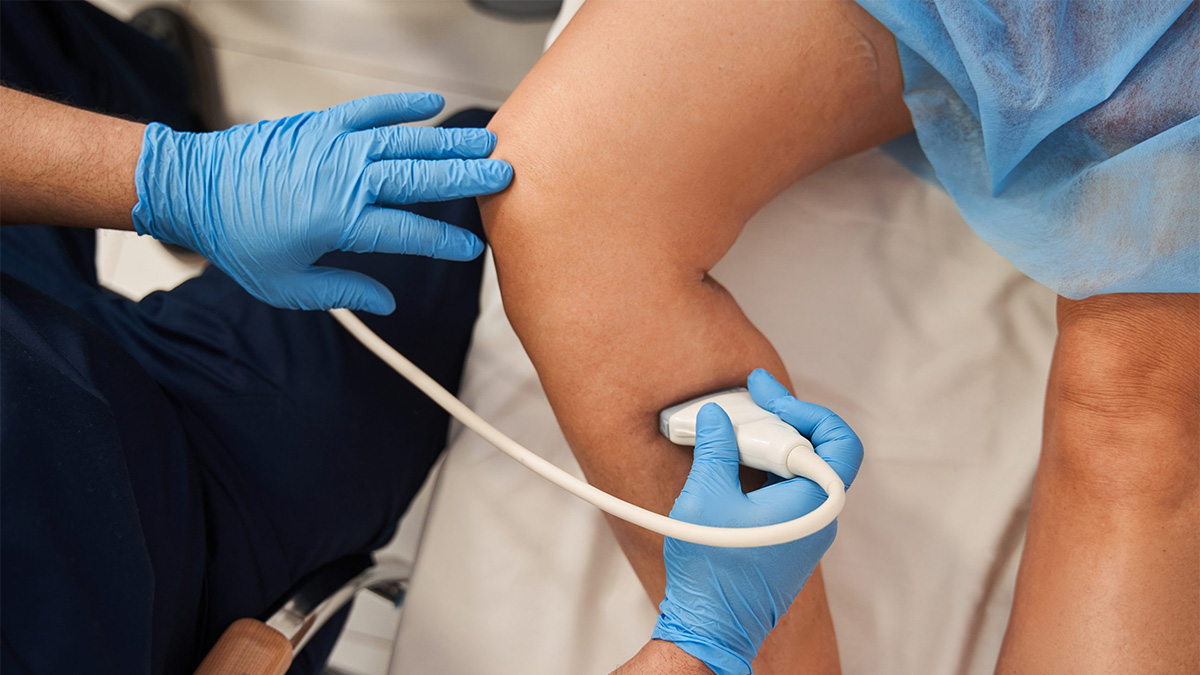
If you have varicose veins, you have an increased risk of deep vein thrombosis. When a specialist suspects this condition, the workup may begin with reviewing your medical history, symptoms, and imaging. Ultrasound is a standard diagnostic tool because it shows vascular structure and blood flow in real time. The specialist can use it to look for possible clots, blocked sections, or other circulation changes.
Evaluations focus on several details:
- Swelling, pain, or heaviness in one area
- Visible vein changes near the skin
- Past vein disease or clot history
- Recent travel, surgery, injury, or reduced movement
Treating Vein Conditions
Treatment depends on the underlying cause and severity of the vein disorder. For venous insufficiency and varicose veins, management may include compression therapy, lifestyle adjustments, and minimally invasive procedures. These interventions aim to improve blood flow and reduce venous pressure. When venous thrombosis is present, anticoagulant medications may be prescribed; close monitoring is also required. Early intervention helps reduce complications, and coordinated care supports long-term vascular health.
Consult a Vein Specialist
Vein specialists evaluate a range of vascular conditions, including varicose veins, which may indicate underlying venous dysfunction. They also diagnose venous thrombosis through a combination of medical history review, physical examination, and diagnostic imaging. If you observe visible vein changes or other signs of impaired circulation, consult a vein specialist for a comprehensive evaluation.
