

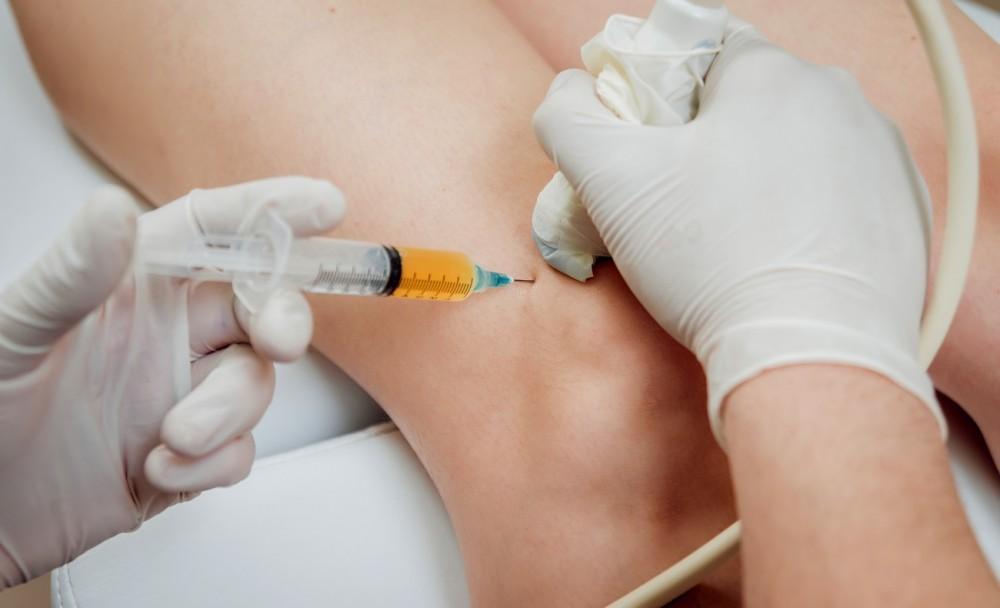

Regenerative medicine encompasses a broad range of therapeutic protocols targeting cellular dysfunction within the body. Because osteoarthritis degrades cartilage progressively, specialized medical researchers study various methods to address joint deterioration. Clinical physicians use concentrated regenerative cells directly into damaged joints, and these agents alter the local tissue over subsequent treatment. This approach aims to promote tissue repair and delay the need for invasive surgical interventions, offering patients a less disruptive treatment option.
Reducing Inflammation
When inflammatory proteins flood the joint, they accelerate the breakdown of protective cartilage across the joint. Physicians document reductions in chronic joint swelling during ongoing therapeutic treatment periods. The joint chemistry is modified by targeted therapies, and these regenerative medicine treatments interrupt destructive cellular signaling before further damage occurs.
Medical professionals record mobility metrics during physical assessments, and data researchers analyze the resulting trends to evaluate treatment efficacy. Since joint stiffness restricts routine physical activity, doctors monitor inflammatory biomarkers throughout the diagnostic evaluation protocol. Regular patient evaluations establish a reliable baseline for long-term data collection. Reduced inflammation often improves sleep, movement, and quality of life
Relieving Pain
Physical pain signals originate from deteriorating nerve endings located near the affected bone structures. Precision injections deliver concentrated regenerative materials into the compromised joint space, and these substances interact with cellular receptors. Although pain measurement remains challenging, symptom questionnaires provide consistent data for an individual’s progress. This approach aims to not only alleviate pain but also promote tissue regeneration and improve overall joint functionality.
Research into these biological treatments is ongoing, with promising results emerging from studies. Advances in regenerative medicine have highlighted the potential of these therapies to treat inflammatory responses, enhance cartilage repair, and slow the progression of degenerative joint diseases. By leveraging the body’s own healing mechanisms, these treatments offer a minimally invasive alternative to traditional surgical interventions, reducing recovery times and improving long-term outcomes.
Platelet-rich plasma (PRP) therapy has emerged as a promising option for managing arthritis pain and improving joint function. PRP involves extracting a small sample of the patient’s blood, processing it to concentrate platelets, and then injecting the plasma into the joint. The growth factors in PRP are believed to stimulate tissue repair, reduce inflammation, and promote the healing of damaged cartilage. This minimally invasive approach has shown potential in alleviating pain. This approach provides patients with a more natural and regenerative alternative to conventional treatments.
Regenerating Tissue
While articular cartilage lacks a blood supply for healing, advanced therapies introduce regeneration cells to the damaged areas. Specialist doctors monitor the internal joint over time, and the imaging process requires time for accurate evaluation. Radiologists evaluate minute structural changes through regular high-resolution magnetic resonance imaging sessions.
These imaging techniques not only aid in tracking the progression of healing but also assist in identifying any potential complications early in the treatment process. By combining advanced imaging with regenerative therapies, healthcare providers can tailor personalized treatment plans that optimize recovery. This integrated approach supports the restoration of joint functionality is effective, offering patients a great chance of regaining mobility and reducing pain.
Receive Regenerative Medicine Treatment
Because osteoarthritis progresses over time, early diagnosis offers clinical disease management options for affected individuals. Medical providers often assess an individual’s joints before prescribing treatment, and individuals who experience this usually find relief. Contact an orthopedic doctor to discuss regenerative medicine options.
