

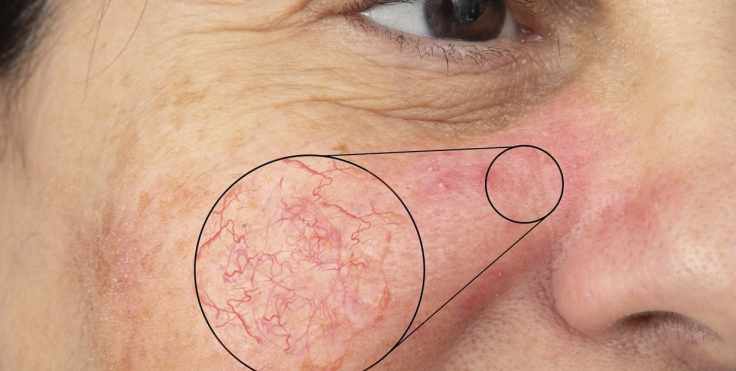

Spider veins are small, dilated blood vessels that appear near the surface of the skin. They often show up as thin red, blue, or purple lines, and many notice them as fine, web-like patterns spreading across the legs or ankles. Despite how common they are, there is confusion about what they are and how they are treated. Here are some common misconceptions about spider veins:
They Are a Cosmetic Issue
Spider veins are frequently described as a purely cosmetic concern. While many people seek treatment because of how the veins look, this overlooks some key concerns. Spider veins can be accompanied by sensations such as: a
- Aching
- Burning
- Heaviness in the legs
They sometimes point to underlying changes in how blood circulates through nearby vessels. A medical evaluation helps determine whether the veins are isolated or part of a larger vascular pattern. Treating them based on appearance alone may overlook these factors, so a clinical assessment offers useful context.
Spider Veins and Varicose Veins Are the Same
Both spider and varicose veins result from issues within the blood vessels, but they differ in appearance, symptoms, and severity. Spider veins are small and sit close to the skin’s surface, often forming thin, branching lines. Varicose veins are larger and raised, which makes them appear twisted or rope-like beneath the skin.
Both involve weakened vein walls or valves, but size and depth set them apart. Symptoms also tend to differ. Varicose veins more often produce swelling, throbbing, or discomfort after long periods of standing. A specialist examines the veins to determine which type is present and which treatment suits your situation.
Treatment Is Painful
Many people delay a vein evaluation because they expect a painful procedure. Treatments for vein conditions are typically minimally invasive and performed in an outpatient setting. Sclerotherapy involves injecting a solution into the vein through a fine needle. Many patients describe the sensation as a mild sting or cramp that fades quickly. Laser treatment directs focused light at the vein without a needle. Recovery is usually brief, and many people return to their normal routine the same day. Discomfort levels vary from person to person, so a provider reviews what to expect before treatment begins.
Removed Veins Come Back
A treated spider vein does not regenerate. Once a vein is closed off or absorbed by the body, that specific vessel is gone. What can lead to confusion is the appearance of new spider veins in the surrounding area. These are different vessels, not the original ones returning. Several factors influence whether new veins form, including genetics, hormonal shifts, prolonged standing, and aging. Maintenance sessions are sometimes recommended to address veins that develop later; this is not evidence that an earlier treatment failed.
Treat Vein Issues Today
Clearing up misconceptions helps you make informed decisions about your vein health. Spider veins are more nuanced than a simple cosmetic flaw, and they are not interchangeable with varicose veins. Treatment options are typically gentle, and a treated vein does not return, even if new ones form over time. If you have visible veins, a cardiologist can help you determine their type and severity. This guides treatment planning and monitoring recommendations. Call a vein clinic today to schedule a consultation.
