

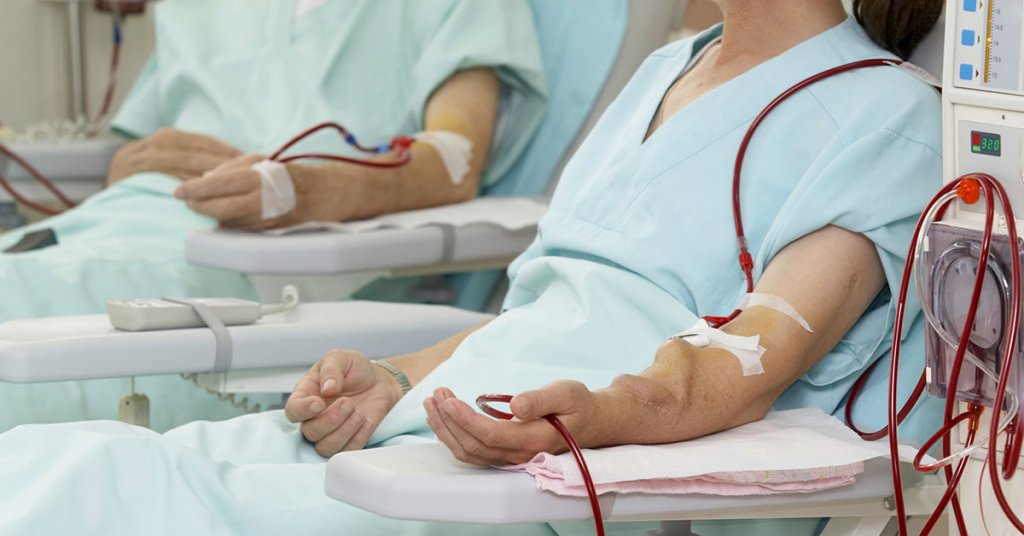

When the kidneys can no longer filter waste and excess fluid from the body, hemodialysis steps in to perform this necessary function. This treatment requires a reliable method for blood to exit the body, pass through a filtering machine, and return safely. Establishing a secure dialysis access point is a foundational step in preparing for regular treatments, and knowing the steps required to maintain the site will help you manage your daily routine with clarity.
What Is Dialysis Access?
Dialysis access functions as a portal that connects the body’s bloodstream to a hemodialysis machine. During treatment, blood travels through soft tubes connected to this access point, passes through a dialyzer filter, and returns to the patient. Because this process occurs multiple times a week, medical providers need an easily reachable entry point. There are three main forms of access: fistulas, grafts, and catheters. A medical provider evaluates your veins and overall vascular health and determines the most suitable option for your specific anatomy.
What Does the Procedure Entail?
Creating an access point typically involves minor surgery, but the exact method depends on the type of access being established. A fistula connects an artery directly to a vein, usually in the arm, using the patient’s own tissue. This connection increases blood flow into the vein, strengthening it over time and making it more resilient for repeated needle insertions. Fistulas often take several months to mature before they are ready for regular use.
A graft serves a similar purpose but uses a synthetic tube to bridge the gap between an artery and a vein. Grafts heal faster than fistulas, often becoming usable within a few weeks. This can make them a suitable alternative when a patient’s veins are too small or blocked by scarring. Recent medical advancements also include minimally invasive systems that create fistulas using targeted technology rather than traditional open surgery, requiring a fraction of the time to complete.
What Does Post-procedure Care Involve?
Proper maintenance of the access site helps prevent complications, such as infections or blockages. Care routines vary depending on the type of access point you have. For fistulas and grafts, daily hygiene is the primary focus. Washing the area with antibacterial soap every day, and immediately before a dialysis session, keeps the skin clean. Patients should inspect the site regularly for signs of redness, excess warmth, or the beginning of a pimple. Monitoring the blood flow is also a standard part of daily care; this is done by feeling the area for a distinct vibration. If this vibration disappears or changes significantly, medical attention is necessary.
Protecting the arm with the fistula or graft requires specific physical precautions. Avoid wearing tight clothing or restrictive jewelry over the site, and do not carry heavy bags or sleep with your head resting on that arm. Clinical staff should avoid taking blood pressure readings or drawing blood from the affected limb. After treatment, needles are removed, and applying gentle pressure may help stop any bleeding without compressing the vessel too much.
Consult a Medical Professional
Maintaining a healthy dialysis access point requires ongoing diligence and regular evaluations by your healthcare team. Daily at-home care minimizes risks, but complications can still arise unexpectedly. If you notice any unusual symptoms, such as prolonged bleeding after a session, a lack of vibration in the access arm, or visible signs of irritation, seek a medical evaluation promptly. A vascular specialist can provide personalized guidance tailored to your specific treatment plan.
