


A cataracts specialist is an eye doctor who diagnoses and treats clouded lenses, and you can meet them at several stages. When you notice blurry vision or glare, this professional examines the cause and explains your options. Here is more information on the role of these medical providers and how they can help restore your vision:
Evaluating Eye Conditions
The first step is a detailed eye exam. Your cataracts specialist measures how light passes through your lens, and they check the clarity of your vision at different distances. Since cataracts develop slowly, the doctor tracks small changes over time.
During this stage, the specialist typically looks for specific signs:
- Cloudy lenses
- Reduced color contrast
- Increased sensitivity to glare
These findings guide the next steps, and the doctor records each measurement carefully. The exam is designed to be simple. When results point to a cataract, your specialist explains what they found in plain terms.
Selecting Custom Lenses
Cataract surgery replaces your clouded lens with an artificial one. Your specialist reviews the lens types that fit your eye, and they match the choice to your daily needs. As every eye differs in shape, the doctor takes precise measurements before recommending an option.
Each lens has trade-offs, and the doctor outlines them clearly. The conversation typically goes over the type of lens you need. When you understand the differences, you make a choice that fits your lifestyle.
Performing Surgery
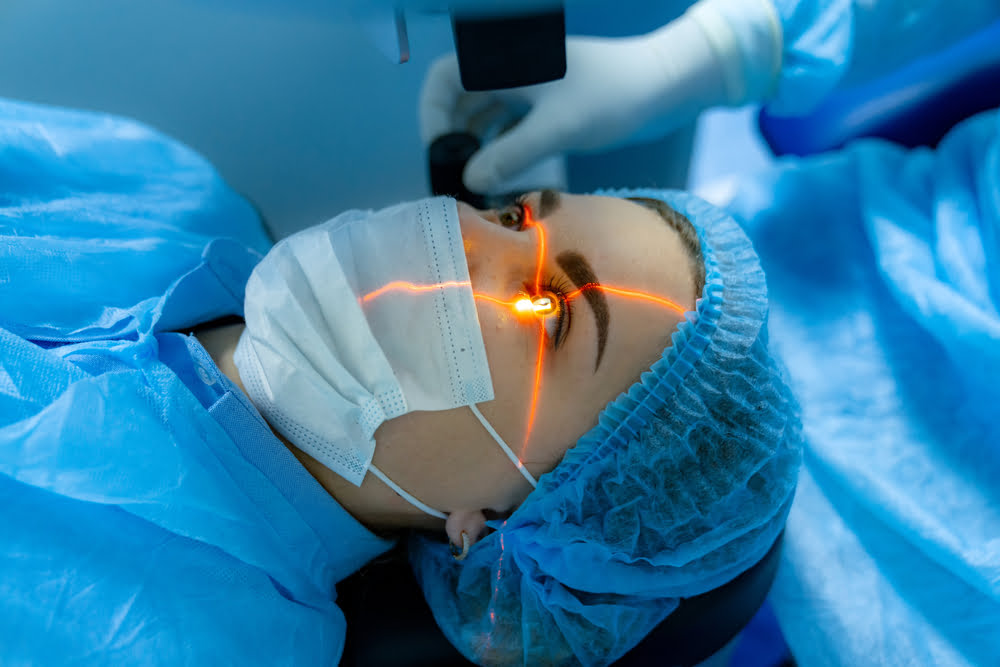
Cataract surgery is an outpatient procedure. Your specialist removes the clouded lens through a small opening, and they insert the replacement lens in its place. Since the incision is tiny, patients typically return home the same day, and the surgeon uses numbing drops to keep you comfortable. The process takes a short time, and the specialist guides you through each moment. When the procedure ends, staff review your recovery instructions with you.
Monitoring Vision
Recovery continues after you leave the surgical suite. Your specialist schedules follow-up visits, and they check how the new lens settles into place. Since healing happens gradually, the doctor watches for any changes during this period.
At each appointment, the specialist may check several things:
- Eye pressure
- Lens position
- Signs of irritation
These checks help the doctor catch problems early, and they adjust your care if needed. The visits stay brief. When your eye heals fully, the specialist confirms your final results.
The doctor also reviews your aftercare routine. You apply prescribed drops on a set schedule, and the specialist explains how long to use them. Since some activities strain healing eyes, the doctor lists what to avoid in the first weeks. Simple guidance keeps your recovery on track.
See a Cataracts Specialist
A cataracts specialist supports you from the first exam through full recovery. They evaluate your eyes, select a lens, perform the procedure, and monitor your healing. Since each step builds on the last, you stay informed throughout the process. If you notice blurry vision, glare, or fading colors, schedule an exam with a cataracts specialist today. The doctor reviews your symptoms, and they explain the options available to you.
