


Weight gain is a common concern for women as they reach midlife. As the body moves through menopause, many women also notice changes in where fat settles. Hormone replacement therapy is sometimes discussed in connection with these changes. Understanding what it can and cannot do helps clarify its place in weight management.
What Drives Weight Gain During Midlife
Weight gain at midlife results from more than one cause. Current evidence supports aging, rather than menopause itself, as the main driver of added weight. After adjusting for age, menopause does not appear to cause significant weight gain on its own.
Aging-related weight gain happens in both men and women. It is linked to a decline in lean body mass and a drop in physical activity, both of which lower the body’s energy use. Without changes to diet and activity, weight gain follows. Midlife women may gain up to 0.7 kilograms per year during this period.
Menopause does, however, change how fat is distributed. Before menopause, fat tends to settle in the lower body. After menopause, it shifts toward the abdomen. This change persists even after accounting for aging, total body fat, and reduced activity.
How Menopausal Symptoms Affect Weight
Several menopausal symptoms can make weight harder to manage. These include hot flashes and night sweats, mood changes, sleep disturbances, and joint or muscle complaints.
Severe hot flashes at night can disrupt sleep and lead to fatigue. That fatigue can reduce a woman’s ability to stay active during the day. Mood changes are also more common during this period, and they can interfere with the motivation needed to maintain healthy habits.
The relationship runs in both directions. Women who are overweight tend to have worse hot flashes than women at a normal weight. Weight loss has been shown to improve these symptoms. Resistance exercise offers added benefits. It can slow the muscle loss tied to aging, help preserve bone mass, and ease musculoskeletal symptoms.
How Hormone Replacement Therapy Helps
Hormone replacement therapy can help improve sleep and mood for many women, though it is not used as the primary treatment for either. It also influences body fat distribution. Women on hormone therapy tend to move fat away from the central abdomen toward peripheral sites.
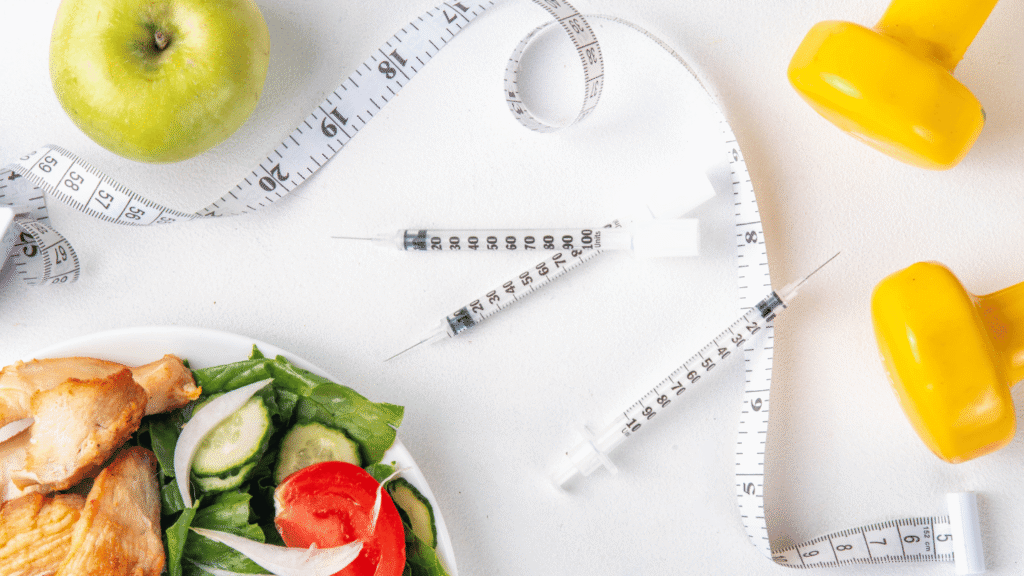
On its own, it does not cause weight loss. Effective weight management still rests on established methods. These methods include a reduced-calorie diet, increased intake of whole grains, fruits, and vegetables, and regular exercise of about 150 to 175 minutes per week.
Talk With a Doctor
If you are facing weight changes during menopause, start by speaking with a healthcare provider. Ask whether your symptoms, such as hot flashes, sleep problems, or mood changes, could be affecting your ability to stay active. Hormone therapy may help address those symptoms and improve how body fat is distributed.
Look for a provider who can review your full health picture and build a plan around your needs. A thorough approach often involves several experts, including medical providers, dietitians, exercise specialists, and behavioral support. Schedule a consultation to discuss what fits your situation best.
