

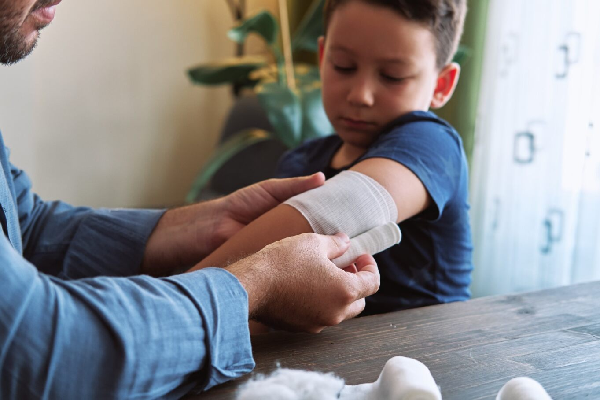

Skin injuries are common, and managing them correctly impacts the recovery process. Proper wound management prevents bacterial infection, thereby promoting faster tissue regeneration and reducing scarring. While patients can manage superficial injuries independently, deep, infected, or non-healing wounds require medical intervention. Specialists provide advanced treatments like surgical debridement and hyperbaric oxygen therapy to facilitate proper recovery. Here is more information on at-home wound care tips and when to seek professional guidance:
What Is At-home Wound Care?
At-home wound care refers to the medical maintenance of minor skin injuries outside a clinical setting. Patients can perform these procedures on superficial cuts, scrapes, or minor burns. The primary goal is to keep the affected area clean, and this practice stops pathogens from entering the bloodstream. Since the skin serves as the body’s primary barrier, restoring its integrity quickly minimizes further medical complications. A structured approach to domestic care facilitates a safe healing environment.
What Does It Involve?
Managing an injury at home requires a systematic process to maintain hygiene and promote tissue repair. The patient should wash their hands thoroughly with soap and water, or they can use a medical-grade hand sanitizer. After cleaning the hands, the individual rinses the injury under cool tap water to remove debris. Applying a sterile bandage protects the exposed tissues, which reduces exposure to environmental contaminants. Changing the dressing daily keeps the site dry and clean.
What Wounds Need Professional Care?
Some injuries exceed the scope of domestic treatment and require immediate clinical evaluation. Deep lacerations that expose fat or muscle need professional closure, and puncture wounds from rusty objects pose high tetanus risks. If a wound exhibits spreading redness or drainage, a bacterial infection may have developed. Medical professionals evaluate injuries that do not show signs of healing after a couple of weeks, and seeking an expert assessment helps prevent systemic infections and permanent tissue damage.
What Services Do Specialists Provide?
Medical clinics offer specialized interventions for complex or chronic injuries. When standard dressings fail, specialists utilize advanced wound dressings to manage moisture levels effectively. Clinicians may apply compression therapy to venous leg ulcers, and this technique improves blood circulation in the lower extremities. If necrotic tissue delays healing, physicians perform surgical debridement to remove the dead cells.
Advanced treatments address injuries with severe tissue loss or compromised blood flow, and surgeons utilize split thickness skin grafts to cover large open areas, thereby accelerating the closure process. Bioengineered skin substitutes deliver active growth factors directly to the injury site. When patients experience poor tissue oxygenation, doctors may prescribe hyperbaric oxygen therapy (HBOT). This therapy involves breathing pure oxygen in a pressurized chamber, which stimulates the body’s natural regenerative capabilities.
What Are the Benefits?
Proper wound management provides several benefits for patient outcomes and overall well-being. These advantages may include:
- A minimized risk of infection and a reduced likelihood of scarring.
- Faster tissue recovery due to cellular regeneration in a clean environment.
- Less pain during the healing process, improving daily comfort.
Professional intervention can also prevent medical complications.
Consult a Wound Care Specialist
At-home maintenance helps heal minor skin injuries. Following hygiene protocols protects the body, and regular monitoring identifies potential complications early. While superficial scrapes can respond well to basic treatments, severe injuries necessitate clinical expertise. Contact a certified wound care clinic today to schedule a comprehensive medical assessment.
