

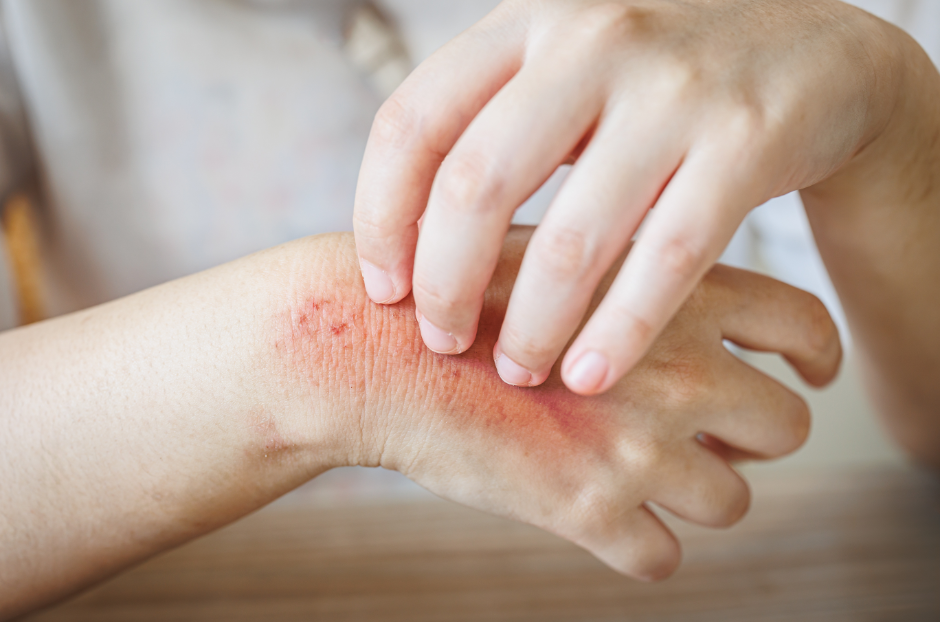

Skin and food allergies can appear together, and both may trigger itching, swelling, or rash. Food reactions start inside the body, but skin symptoms typically show first. When a trigger affects the immune system, the skin can react with redness, bumps, or dry patches. Here is more information on different skin allergy treatments and how they are used to reduce symptoms:
Hydrocortisone Cream
Hydrocortisone cream is used to lower mild skin inflammation, and it helps to control redness and itching. It works on the surface. If a rash comes from eczema, soap, or plant exposure, this cream may reduce irritation.
Use a thin layer on the affected area, but avoid broken skin and the eyes. Check the package. Since long-term use may irritate the skin, many people use it for only a short period. If the symptoms do not improve after a week of use, consult a healthcare professional for further advice.
Antihistamines
Antihistamines are used to reduce itching, and they can be used to address hives. They work by blocking histamine receptors. When your body releases histamine after contact with an allergen, symptoms may spread across the skin.
Some antihistamines cause drowsiness, but others have less effect on alertness. Read the label and look at the side effects. If symptoms affect sleep or daily tasks, your doctor can suggest a specific option.
Doctors can use antihistamines for short-term flare control of skin or food allergies, and they may pair them with self-care steps. This treatment does not fix the root cause. Since different products act in different ways, you need to follow the dosing directions closely.
Corticosteroids
Topical corticosteroids treat stronger inflammation, and doctors use them for eczema or contact dermatitis. These creams and ointments vary in strength. When a rash covers a small area, a topical product may target the problem directly.
Oral corticosteroids act throughout the whole body, but doctors typically reserve them for severe reactions. These drugs need supervision. Since side effects rise with dose and time, treatment plans typically stay short.
You may hear several product names, and the strength level matters as much as the ingredient. Ask these questions:
- What strength is prescribed?
- How long will treatment last?
- Where should you apply it?
Moisturizers
Moisturizers protect the skin barrier, and they help reduce water loss. Dry skin worsens itching. When the skin barrier breaks down, allergens and irritants typically enter more easily.
Use moisturizers after bathing, and choose fragrance-free products when possible. Ointments and creams typically last longer than lotions. As added scents may trigger irritation, simple formulas typically work better.
A daily routine supports treatment, and it helps limit repeat flares. Try these steps:
- Bathe with lukewarm water
- Pat skin dry
- Apply moisturizer right away
Address Skin or Food Allergies
Skin treatment helps manage symptoms, but trigger control also matters; track what you eat and touch. If rashes return after certain foods, soaps, or metals, a doctor will look for patterns. You need medical care, and fast action matters with swelling or breathing trouble. Seek urgent help for severe reactions, and if you deal with ongoing skin or food allergy symptoms, schedule an evaluation with a qualified clinician today.
