

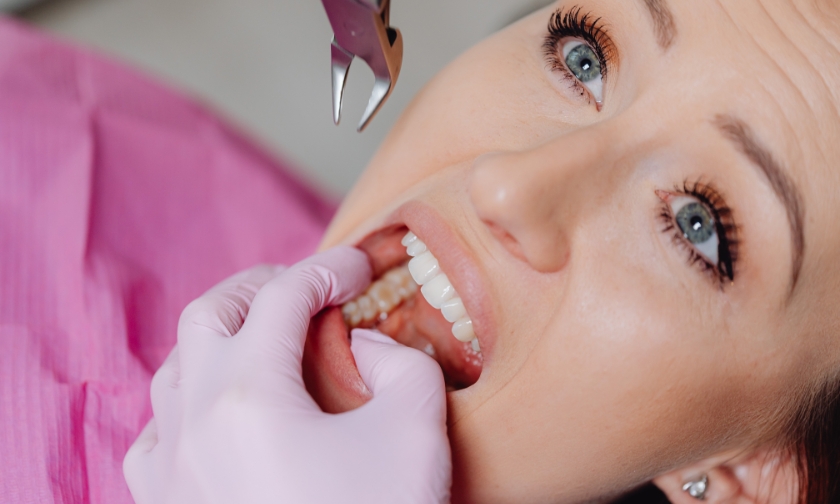

Dental extractions are performed to remove problematic teeth. This routine clinical procedure addresses various dental issues, and oral surgeons utilize specialized surgical instruments to safely extract the affected teeth. Because extensive tooth decay or sudden physical trauma causes irreversible structural damage, tooth extraction becomes a necessary medical intervention to preserve the integrity of the surrounding jawbone and gum tissue.
Reducing Crowding
Many adolescent and adult patients simply possess jaws too narrow to properly accommodate a full set of permanent teeth. Orthodontic specialists frequently request strategic dental extractions to create additional space, and this precise physical preparation allows braces to correctly align the remaining teeth. Extreme crowding can prevent impacted teeth from surfacing. When an impacted tooth cannot emerge, the dentist can extract the problematic tooth to prevent damage to neighboring teeth. By doing so, patients can achieve a healthy bite, enhancing both function and aesthetics. Proper spacing also minimizes the risk of complications like improper alignment or uneven wearing of the teeth.
Impacted teeth, particularly wisdom teeth, are a common cause of crowding within the mouth. When these teeth fail to erupt, they put pressure on neighboring teeth, pushing them out of alignment. This condition not only contributes to crowding but can also result in pain, inflammation, or even infection. To address this issue, dental professionals often recommend extracting impacted teeth to preserve oral health and maintain proper alignment.
Preventing Infection Spread
Severe dental decay eventually breaches the hard enamel exterior to reach the center of the tooth, and harmful bacteria can infect the sensitive dental pulp. When standard antibiotic treatments fail to eliminate the stubborn infection, extracting teeth can stop the dangerous spread of bacteria to adjacent oral structures.
Advanced periodontal disease progressively destroys the soft tissues and alveolar bones supporting the dental arch. If an adult patient develops unchecked periodontitis, the affected teeth loosen significantly within their damaged ligaments. Because these teeth are unstable, removal of the tooth can prevent further structural deterioration in the upper or lower jawbone.
Although root canal therapy sometimes salvages a moderately damaged tooth, severe bacterial infections may require complete tooth removal. Removing the primary source of the infection eliminates the harmful bacteria, and the resulting extraction site often heals slowly over the following weeks.
Removing Fractured Teeth
Unforeseen physical accidents can cause natural teeth to break beneath the visible gum line. A severely shattered molar requires clinical intervention and treatment from a trained dental professional. Because deeply positioned root fractures cannot support a dental crown, the oral surgeon must meticulously extract all remaining tooth fragments.
After an accident irreparably damages the central root structure, the compromised tooth loses its foundational structural integrity. The dentist may evaluate the depth of the root fracture with X-rays, and those images help determine an extraction approach. Specialized dental forceps are utilized throughout the physical extraction procedure.
Learn More About Dental Extractions
Since every dental case presents unique anatomical challenges, a formal clinical consultation provides specific diagnostic details for a recommended extraction. Schedule an appointment for a dental evaluation if you think an extraction may be helpful to you. A dental office will be able to answer any questions you may have and prepare a treatment plan for the future.
