

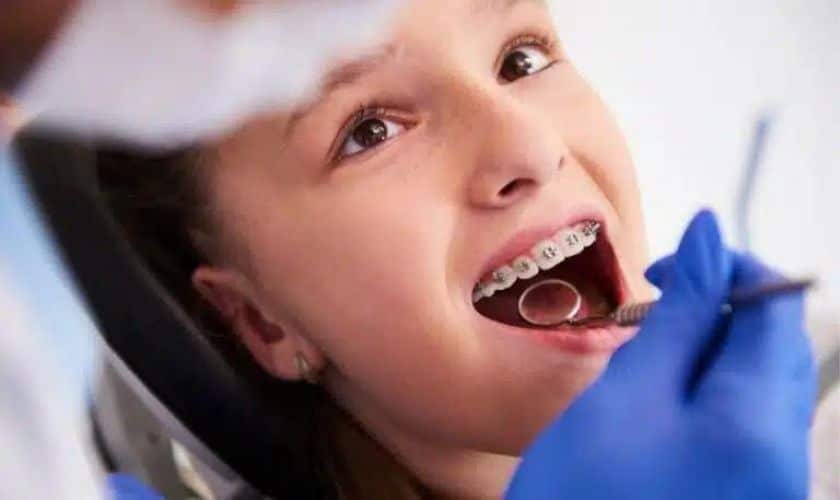

Oral health plays a significant role in childhood development, necessitating accurate information regarding pediatric dental care. Some children experience dental issues early in life, and regular checkups help prevent these common problems. Here is more information on the role of dentists in managing pediatric oral health:
What Is a Dentist?
A dentist is a healthcare professional who specializes in the diagnosis, treatment, and prevention of oral diseases. Dentists can address the unique dental needs of children, and this specialized training allows them to monitor the growth of primary teeth effectively. Consulting a dentist helps determine what can be done for a child’s oral health.
What Services Do They Offer?
Dentists provide a variety of clinical services to maintain oral hygiene and prevent decay. Routine examinations typically involve a visual inspection of the mouth, and the dentist may also take dental X-rays to check for underlying issues. Professional cleanings remove plaque buildup, which protects the teeth from future damage.
Preventive treatments are another core service offered during routine pediatric visits. Dentists may apply fluoride varnishes to strengthen enamel, and they place dental sealants on the chewing surfaces of molars. These preventative measures block food particles from settling into deep grooves. Parents may also receive guidance on proper brushing techniques during these sessions.
What Conditions Do They Treat?
Dental professionals identify and treat various oral health conditions in children. Early diagnosis and treatment are key to restoring function and preventing further complications. Common conditions treated by dentists include:
- Tooth Decay: This is a common chronic childhood disease that requires the removal of the decayed tissue and placement of a filling.
- Malocclusion: This condition refers to a misalignment of the teeth or jaws, which can affect bite and function.
- Gingivitis: An early stage of gum disease, gingivitis is treated by removing plaque and tartar buildup at the gum line.
Dentists may also address issues related to prolonged thumb sucking or pacifier use. Early intervention can stop these habits from causing permanent structural changes to the jaw.
How Are Regular Visits Beneficial?
Consistent dental appointments enable early detection of oral health issues, allowing dentists to identify small cavities before they cause pain. They can also implement conservative treatments immediately, and this proactive approach helps reduce the need for invasive dental procedures later in life. Consistent monitoring also tracks the proper eruption of permanent teeth.
Regular checkups establish a baseline for a child’s dental development, as dentists can compare current X-rays with previous records. This helps dental professionals spot deviations from normal growth patterns. Recognizing these changes promptly enables timely orthodontic referrals when necessary. Early orthodontic assessments effectively guide jaw growth.
How Is Oral Health Improved?
Routine dental care may reduce the incidence of pediatric dental caries. Professional cleanings remove tartar that regular brushing misses, and this minimizes the bacterial load in the mouth. Fluoride treatments remineralize weakened enamel, making teeth more resistant to acid attacks.
Education provided during these visits helps improve daily oral hygiene habits at home, as dentists may instruct children on how to floss correctly. They can also advise parents on dietary choices that affect dental health. Limiting sugary snacks reduces acid production in the mouth. These combined clinical and educational efforts create a foundation for long-term oral health.
Book an Appointment Today
Regular visits to a dental professional provide preventive care, early diagnosis, and effective treatment of oral diseases. Dentists offer services ranging from routine cleanings to cavity fillings, and they monitor the development of your child’s teeth over time. Consistent monitoring protects against oral health issues. Schedule a dental examination for your child today to maintain their oral health.
