


The skin is the body’s largest organ, and it often displays visible signs when something changes beneath the surface. Dermatology experts diagnose and treat a wide range of skin conditions. Several concerns they address include acne, eczema, psoriasis, and skin cancer. Here’s information about these conditions and how they’re treated:
Recognizing Acne on Skin
Acne develops when hair follicles become clogged with oil and dead skin cells. The face, chest, back, and shoulders are commonly affected, as these areas have high concentrations of oil glands. Although acne often appears during adolescence, adults frequently experience it as well, and the pattern varies from person to person. Whiteheads, blackheads, small red bumps, and deeper nodules all represent different forms the condition takes.
Dermatology experts assess acne by examining the type and distribution of breakouts. They may review factors such as skin type, frequency of flare-ups, and changes over time, which helps them tailor their guidance. Their recommendations typically address cleansing routines and topical options; these are adjusted to suit the individual’s skin.
Identifying Eczema and Psoriasis
Eczema causes the skin to become dry, rough, and visibly irritated. It often appears on the hands, elbows, knees, and face, though other areas are also affected. The skin can look red and flaky, and it sometimes forms small dry patches that persist over time. Eczema follows a cyclical pattern, with noticeable flare-ups followed by periods when the skin settles.
Psoriasis presents differently. Skin cells accumulate faster than usual in this condition, producing raised, scaly plaques with a silvery appearance. The scalp, elbows, knees, and lower back are common sites. Like eczema, psoriasis tends to alternate between flare-ups and quieter stretches, and family history plays a role in many cases.
When evaluating either condition, dermatologists may examine the affected areas closely and ask about daily habits, product use, and personal history. Key factors they typically assess to help guide their approach include:
- Location and size of affected areas
- Texture, color, and thickness of patches
- Duration and frequency of flare-ups
- Potential triggers such as materials or environmental exposure
Detecting Skin Cancer
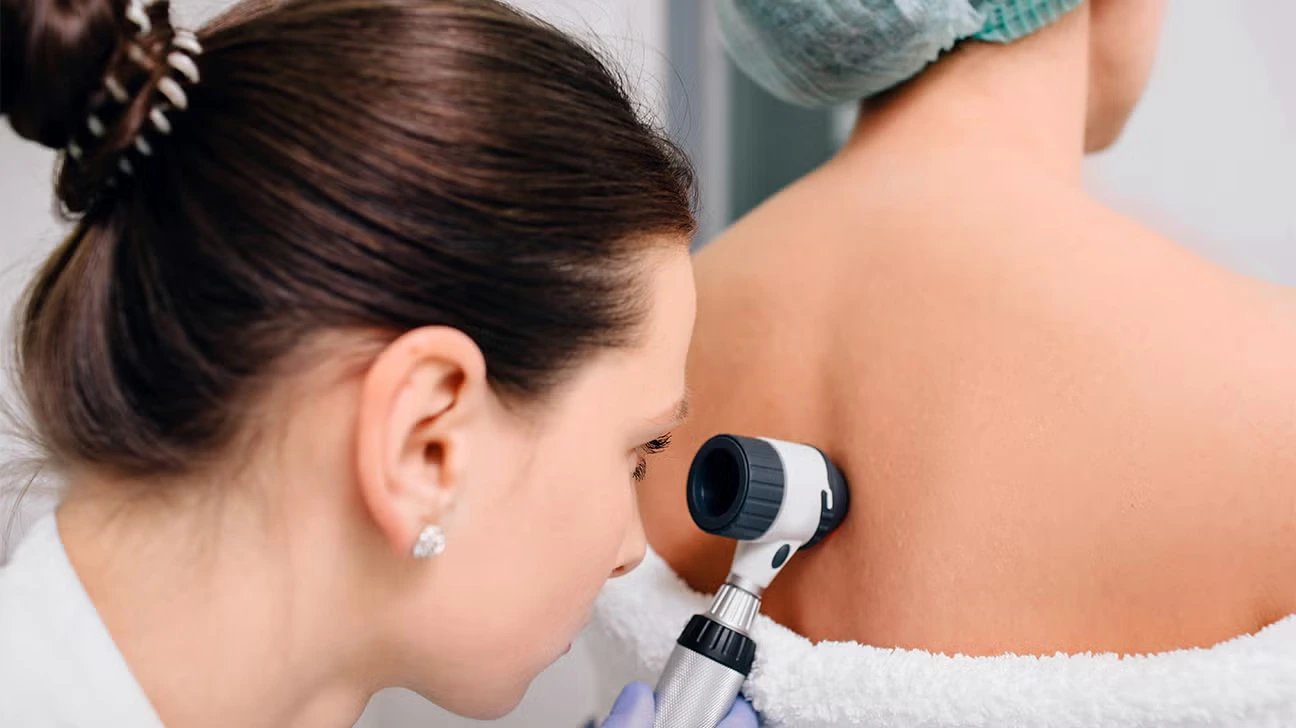
Skin cancer occurs when skin cells grow in an abnormal, uncontrolled manner. The condition may appear as a new growth, a sore that does not heal, or a noticeable change in an existing mole. Early detection plays a significant role in how specialists manage it. Dermatologists look for various changes during an examination, including shifts in size, color, and asymmetry. Sun exposure is associated with many forms of skin cancer; dermatologists may ask patients about their history of sunburns and use of protective measures. During a skin examination, the specialist carefully inspects moles and other marks, noting any features that differ from surrounding skin. When a spot appears unusual, they may recommend further steps to gather additional information before determining a course of action.
Visit a Dermatology Clinic
Acne, eczema, psoriasis, and skin cancer each present distinct characteristics, and dermatology experts use specific criteria to distinguish and evaluate them. Understanding what these conditions look like and how specialists approach them helps you stay informed. If you notice changes on your skin that raise questions, a qualified dermatologist provides guidance based on your individual situation. Regular professional attention, combined with awareness of what to look for, supports better skin health over time. Consult a dermatologist to learn more about their services.
