

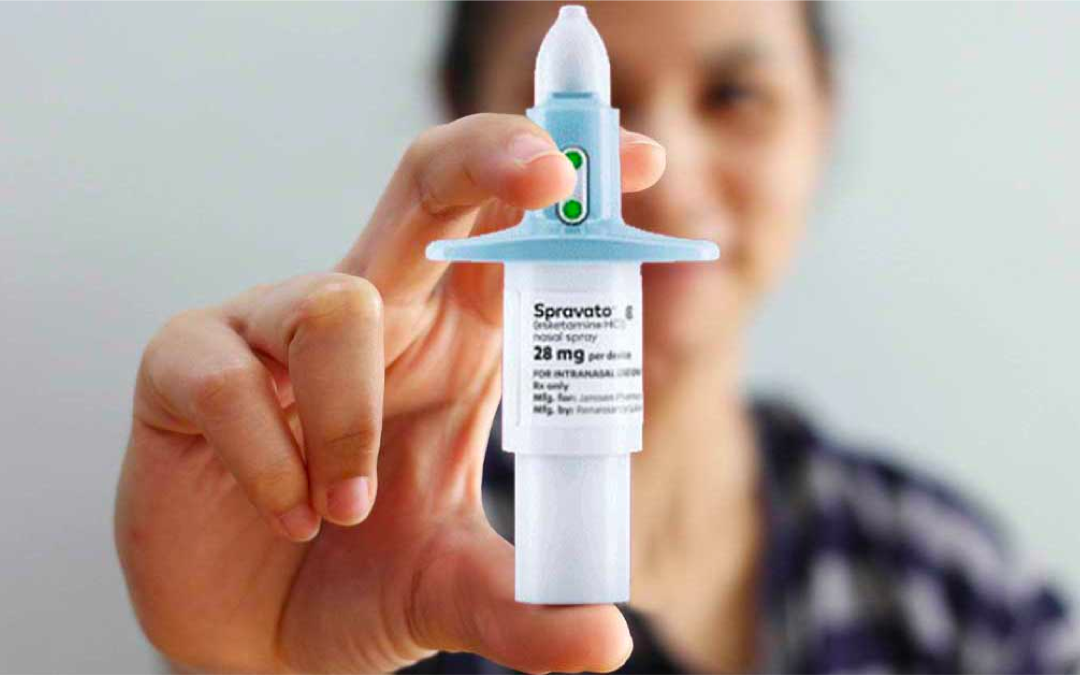

Depression can affect how you think, feel, sleep, and function each day. For some people, standard treatment does not bring enough relief, so providers may prescribe newer options such as ketamine-based care. Spravato is a prescription nasal spray derived from ketamine. When combined with a broader treatment plan, it can help reduce symptoms and support progress over time.
Understanding Therapeutic Approaches
Therapy is a structured form of mental health treatment that helps you understand thoughts, emotions, and behavior patterns. A licensed mental health professional may use approaches such as cognitive behavioral therapy or talk therapy to help you manage depression. Therapy helps by giving you practical tools, such as identifying negative thinking and building routines that support recovery; it also creates a consistent setting where symptoms can be monitored, and treatment goals can be adjusted as needed.
For many patients, therapy is a core part of depression care because it addresses both symptoms and underlying challenges. This can include grief, trauma, relationship strain, or ongoing stress contributing to low mood. Sometimes therapy alone does not achieve the desired result, and treatments such as Spravato may help.
Introducing Spravato Treatment
Ketamine therapy works differently from many traditional antidepressants. Some treatments focus only on gradual chemical changes over time, but ketamine may affect brain pathways involved in mood and thought patterns more rapidly in some patients. This effect can provide relief to patients who have treatment-resistant depression.
Spravato is an FDA-approved nasal spray form of esketamine, which is related to ketamine. It is typically used along with an oral antidepressant for adults with treatment-resistant depression and in certain other clinical situations. Spravato is given in a certified medical setting, and patients can be monitored during and after treatment.
Potential benefits may include:
- Relief for patients who have not responded well to standard antidepressants
- A different treatment pathway for complex depression
- Support for symptom improvement as part of a larger care plan
This approach is not a stand-alone solution. It is carefully prescribed and monitored by a qualified provider.
Explaining Combined Treatment
Spravato is often most effective as one part of ongoing treatment rather than as an isolated intervention. While the medication may help reduce depressive symptoms, psychotherapy can help you make sense of those changes and build long-term coping strategies. Spravato can help improve energy, mood, or mental flexibility, and therapy can help you use and maintain that progress.
Seeking Professional Help
Seek professional help if depression lasts for more than a couple of weeks or begins to interfere with daily life. Common signs include ongoing sadness, loss of interest, fatigue, sleep changes, appetite changes, trouble concentrating, or feelings of hopelessness. You should also speak with a doctor if:
- Current treatment is not helping enough.
- Symptoms are getting worse.
- Work, school, or relationships are suffering.
- You are withdrawing from daily activities.
- You have thoughts of self-harm or suicide.
If symptoms feel severe or urgent, seek immediate medical help.
Ask Your Doctor About Spravato
Depression treatment may include therapy and medication, and a provider typically monitors your symptoms closely. Spravato offers a medically supervised option that can complement ongoing psychotherapy and support patients who need another path forward. To learn more about the benefits of Spravato, consult a mental healthcare professional near you.
