

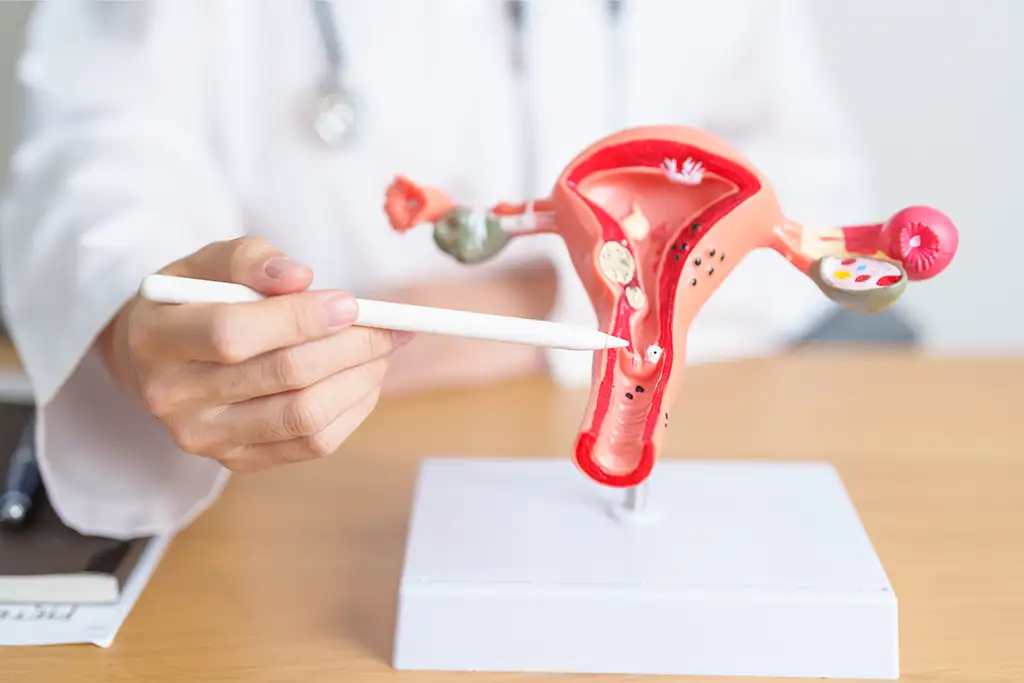

In vitro fertilization (IVF) is a fertility treatment that joins an egg and sperm in a lab. Doctors then place the resulting embryo into the uterus, and the full cycle moves through several stages. If you don’t know what happens at each step, learning more may help break down the process. Here is more information on the process of IVF service and what to expect:
Hormone Medications
Your IVF cycle starts with hormone medications. These injectable drugs stimulate your ovaries, and they prompt several eggs to mature at once. As everybody responds differently, your doctor adjusts the dose based on your monitoring results. Standard medications in this phase of IVF service may include:
- Follicle-stimulating hormone (FSH)
- Luteinizing hormone (LH)
- Medications that prevent early ovulation
Trigger Shot
The trigger shot signals your eggs to finish maturing. Your doctor times this injection precisely, and the timing matters because it sets the clock for retrieval. Once you take the shot, egg retrieval follows about 36 hours later.
You give yourself this injection at a specific hour, usually in the evening. While the exact timing feels strict, following it closely keeps your cycle on track. Your nurse reviews the instructions with you, and many clinics provide written reminders too.
Your clinic tracks your progress through blood tests, and ultrasounds measure how your follicles grow. While the schedule feels demanding, the close monitoring helps your care team time the next step accurately.
Egg Retrieval
Egg retrieval is a short outpatient procedure. A doctor uses a thin needle guided by ultrasound, and light sedation keeps you comfortable throughout. Since the procedure takes about 20 to 30 minutes, you go home the same day.
After retrieval, you might feel mild cramping or bloating. The lab examines the collected eggs right away, and an embryologist prepares them for fertilization. While you rest at home, the clinic begins the next phase of your cycle.
Embryo Transfer
The lab fertilizes your eggs using one of two methods. In conventional IVF, the team mixes sperm with the eggs in a dish. In ICSI, an embryologist injects a single sperm directly into each egg, and your doctor recommends the method that fits your situation.
Embryos grow for three to five days before transfer. The two main transfer options are:
- A fresh transfer during the same cycle
- A frozen transfer in a later cycle
During the transfer itself, a doctor places the embryo into your uterus through a thin catheter. The procedure is quick, and most patients feel little to no discomfort. While you return to normal activity soon after, your clinic advises you on any short-term limits.
Your doctor schedules a pregnancy test about 10 to 14 days later. This blood test measures hormone levels, and it confirms whether the embryo has implanted. While waiting feels difficult, your care team stays available to answer questions during this time.
Schedule an IVF Service Consultation
IVF moves through clear stages, from hormone medications to the final pregnancy test. Each step builds on the one before it, and your care team monitors you throughout the cycle. Bring your questions, your medical history, and a list of any current medications. Contact our clinic today to schedule your IVF service consultation and review your options with a specialist.
