

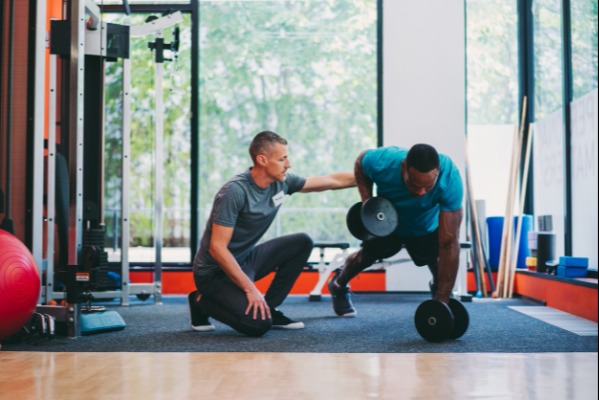

Personal training pairs you with a certified coach who guides your workouts, and this one-on-one model focuses on your specific goals. A trainer designs a program based on your current fitness level, and they adjust it as you progress. Strength building is one area where personal trainers offer structured support, especially when you train without a clear plan. Here is more information on the role of personal training:
Optimizing Performance
A trainer measures your baseline strength first. They track your lifts, and they record changes over several weeks. Since data shows clear patterns, your coach adjusts the program with precision. This approach keeps your personal training aligned with measurable targets, and it removes guesswork from each session.
This training provides:
- Personalized workout plans tailored to your specific goals and fitness level.
- Ongoing progress tracking to ensure continuous improvement.
- Real-time feedback on technique to reduce the risk of injury and enhance efficiency.
- Motivation and accountability to keep you consistent and focused.
- Adaptable strategies to overcome plateaus and maintain steady progress.
Learning Proper Techniques
Good form starts with understanding movement basics. A trainer demonstrates each exercise, and they correct your posture in real time. When your alignment improves, you move weight more efficiently. Small adjustments often produce noticeable changes in how a lift feels.
Trainers break complex lifts into clear steps. They watch your range of motion, and they cue you during each rep. Since repetition reinforces habits, consistent feedback shapes reliable technique. You learn the difference between effort and strain.
Some movements demand extra attention to detail. A trainer reviews your grip, stance, and breathing pattern. When you master these elements, heavier loads are more controlled. Practice under guidance builds steady mechanics over time.
Avoiding Injuries
Injuries often come from rushed or sloppy movement. A trainer monitors your fatigue, and they stop a set before form breaks down. Since overload without control raises risk, pacing matters in every session. Careful progression protects your joints and muscles.
A trainer also flags warning signs you might miss. They notice uneven movement, and they spot strain early. When something is off, your coach adjusts the load. This watchful approach keeps small issues from growing.
Increasing Resistance
Strength grows when you add load over time. A trainer applies progressive overload through several methods, including:
- Adding weight to the bar
- Increasing repetitions
- Shortening rest periods
These methods build resistance without sudden jumps. Your coach selects the right adjustment, and they explain the reasoning behind it. When the body adapts, the next increase follows. This steady pattern keeps your program moving forward.
A trainer also balances different muscle groups. They schedule push, pull, and lower-body work across the week. Since recovery affects strength gains, rest days appear in the plan too. Structured cycles support consistent effort.
Schedule Personal Training Today
Personal training gives you structure, feedback, and a measured path to strength. A trainer tracks your numbers, and they refine your technique through each phase. When you train with guidance, you follow a plan built for your level. Contact our team and book your first session this week.
