

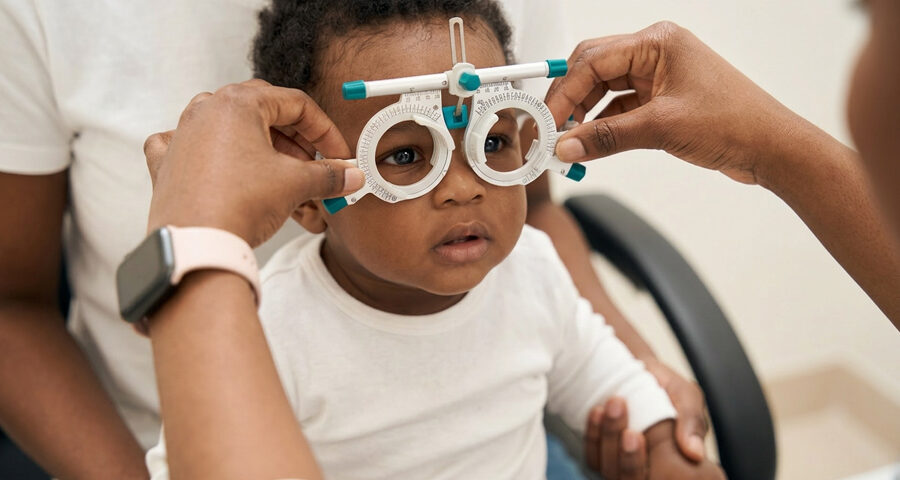

Eye exams help assess how well a child sees and how the eyes work together while supporting overall visual development. A full exam identifies issues such as refractive errors, eye alignment concerns, and other vision problems that affect daily tasks. Early appointments encourage healthy routines, and children can become more aware of proper eye care. Here are some things parents should know about eye exams for children:
Knowing the Schedule for Eye Exams
Children need eye care at different stages of development, and timing matters because vision changes often at a young age. Many children have their first basic eye assessment as infants. Though additional checks may happen during well-child visits and school screenings, they do not replace comprehensive eye exams.
A full exam is often recommended before a child starts school. After that, the schedule may depend on age, family history, and whether the child already wears glasses. Some children need yearly exams, but others are seen on a different timeline based on the doctor’s findings.
If a parent has a history of strong prescriptions or certain eye diseases, that information is useful to share. It can affect how closely a child should be monitored. Some eye care recommendations change over time, and regular communication with a doctor remains beneficial.
Recognizing Signs of Vision Challenges
Identifying potential vision problems early can make a significant difference in a child’s development. Some children do not report blurry vision because they assume their eyesight is normal, and others don’t have the words to describe what feels different. For that reason, parents often notice the first signs. Watch for behaviors such as:
- Squinting
- Covering one eye
- Sitting very close to screens
- Holding books unusually close to the face
- Frequent eye rubbing
- Headaches after near work
In some cases, a child will avoid coloring, puzzles, or schoolwork that requires sustained visual attention. Sensitivity to light or complaints of double vision should also be taken seriously. A teacher may mention trouble copying from the board or declining classroom performance. Not every sign means a serious eye condition, but patterns matter. If the same behavior appears often, or if it affects school and daily routines, an eye exam is a reasonable next step.
Understanding Exam Procedures
When children are scheduled for routine vision care, a pediatric eye exam usually includes several parts. There is usually a health history review; the doctor asks about developmental concerns, medications, and family eye conditions. They then measure the child’s vision. Exams check how the eyes move, focus, and work together.
The doctor will examine the front and back of the eyes using lights and lenses. Dilating drops may be used to widen the pupils; this allows a clearer view inside the eye and helps measure refractive error more accurately. If glasses are needed, the doctor will explain the prescription.
Visit an Eye Doctor
Eye exams give parents clear information about a child’s vision and eye health. They also help distinguish between routine development, refractive needs, and signs that require closer review. Keep track of exam timing and bring questions to the appointment. If your child has not had a comprehensive eye exam, contact an eye care provider today to schedule an appointment.
