

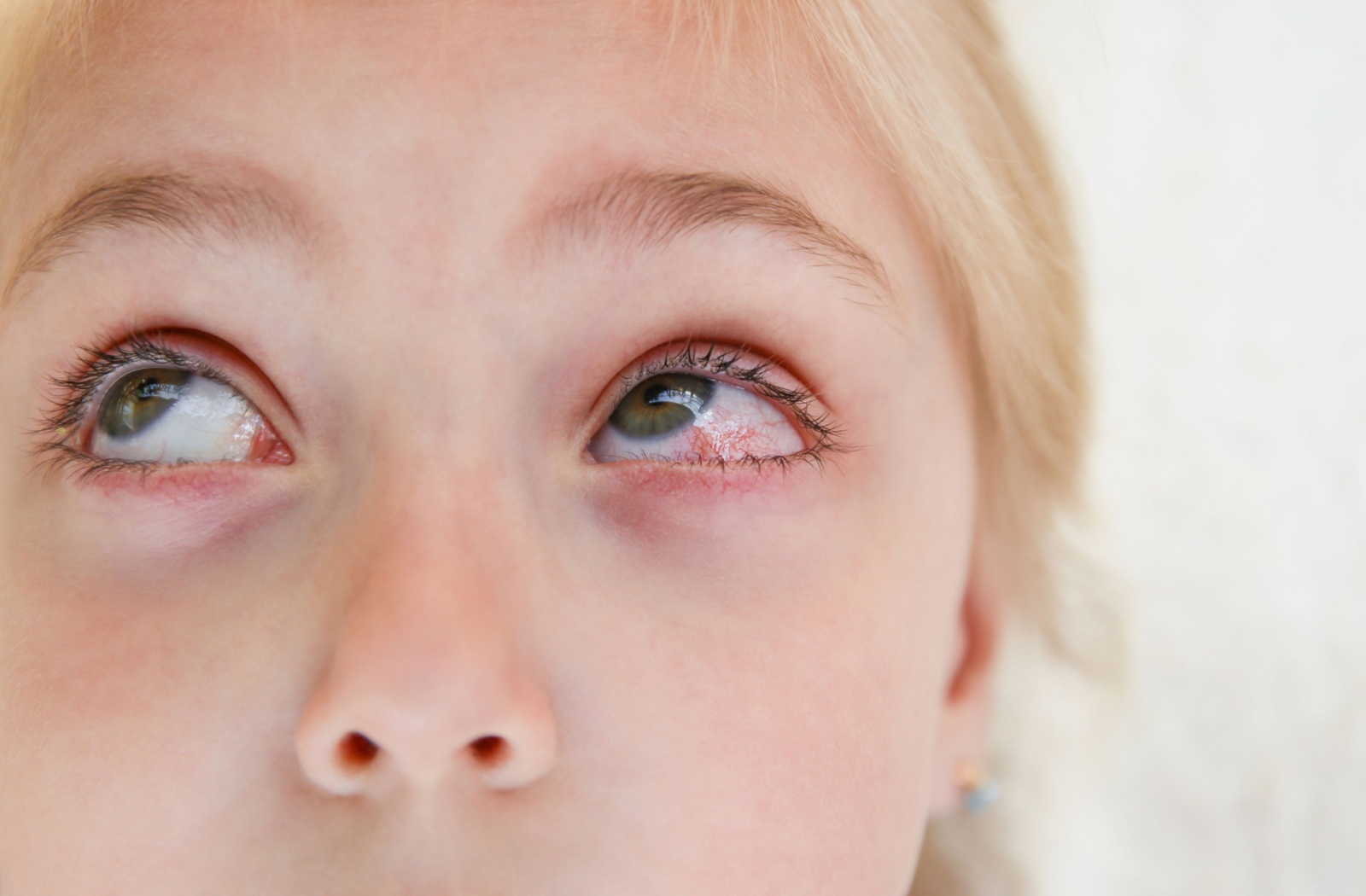

Red eyes are often linked to minor irritation, lack of sleep, or allergies, but sometimes visible redness indicates changes elsewhere in the body. Blood vessels on the surface of the eye may widen in response to infection or inflammation. When redness is accompanied by pain or blurred vision, it often signals a broader health issue that requires review. Here are some systemic health issues red eyes help detect early:
Infectious Diseases
Some infections affect both the eye and other body systems. Viral conjunctivitis often causes redness, tearing, and a gritty feeling; it may appear alongside fever or sinus symptoms. In these cases, redness in the eye is part of a wider infection rather than an isolated problem.
Bacterial infections can also cause red eyes and thick discharge. After gonococcal and chlamydial infections affect the eyes, they sometimes spread to other organs. Delayed treatment increases the risk of deeper tissue damage, so prompt diagnosis and care are key. Certain systemic infections trigger inflammation inside the eye rather than on the surface. These can lead to uveitis, which often causes redness around the colored part of the eye, pain, and light sensitivity.
Autoimmune Diseases
In autoimmune disease, the body attacks its own tissues, and the eyes may be among the first visible sites of inflammation. Episcleritis and scleritis, types of eye inflammation, cause redness and irritation. They are often associated with conditions like rheumatoid arthritis and lupus. A patient may first seek eye care and later learn that the redness is connected to joint pain, bowel symptoms, or chronic fatigue. Eye findings help identify a systemic disorder before other signs become severe. Persistent redness, especially when accompanied by pain or recurrent flares, warrants more than over-the-counter drops.
Cardiovascular Disease
Sometimes red eyes are caused by vascular conditions, which affect blood vessels in and around the eye. A subconjunctival hemorrhage appears as a bright red patch on the white of the eye. It occurs when a blood vessel breaks. It may follow coughing or vomiting, but it is also seen in people with high blood pressure.
Red patches from subconjunctival hemorrhages are usually painless, but repeated episodes deserve medical attention. They may reflect poor blood pressure, fragile vessels, or clotting problems. If no underlying disorder is present, the blood is gradually reabsorbed.
Chronic facial flushing and visible eye redness may also occur in rosacea, a condition associated with increased cardiovascular risk. The skin and eyes are often both involved, and symptoms fluctuate with environmental triggers like heat. Although rosacea primarily affects the face, it can also lead to persistent ocular irritation.
Treat Red Eyes Today
Red eyes are not all the same, and the pattern matters. Surface irritation may pass quickly, while pain, discharge, or vision changes indicate a systemic condition. Paying attention to these signs helps guide timely evaluation. Although red eye symptoms appear similar at first glance, recognizing key differences helps prevent delays in diagnosing serious underlying conditions. If you have ongoing or unexplained eye redness, schedule an exam with an eye care professional today.
