

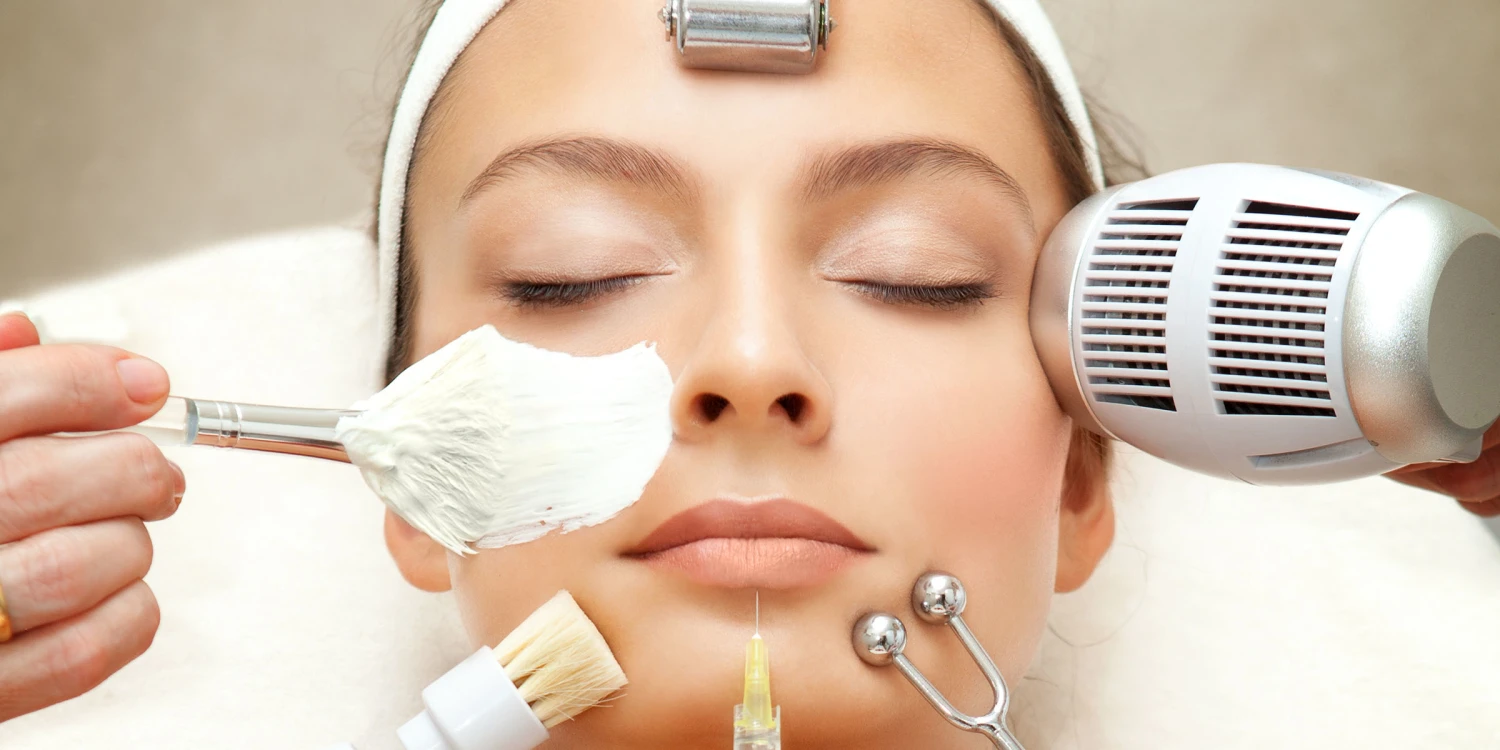

Dermatology focuses on the skin, hair, and nails, and a dermatologist evaluates changes in skin health and recommends medical or cosmetic care based on your needs. In skin care, dermatology practices often combine daily home routines with office-based services and clinical treatment plans. This gives patients structured guidance for maintenance, diagnosis, and follow-up. Here are some dermatology practices for skin care:
Recommends Daily Skincare Routines
For many patients, a dermatology practice starts with the basics. Daily skin care often includes a:
- Cleanser: A gentle cleanser is typically used once or twice daily to remove sweat, oil, makeup, and surface debris.
- Moisturizer: Moisturizers help support the skin barrier and reduce dryness or tightness.
- Sunscreen: Broad-spectrum sunscreen is commonly recommended for daytime use, especially on exposed areas such as the face, neck, chest, and hands.
- Targeted products: Some cleansers or spot treatments are designed specifically for acne-prone or oily skin.
Dermatologists review factors such as oil production, dryness, sensitivity, and age before suggesting a routine. Someone with acne may use a wash with salicylic acid, but a patient with dry skin will need a cream with glycerin. For uneven tone or rough texture, retinoids are often beneficial at a measured frequency. Dermatology practices also give instructions on product order and timing. Treatment products are often applied after cleansing and before moisturizing. Strong active ingredients may be introduced slowly to limit irritation.
Offers In-Office Procedures
Some skin goals or concerns require treatment in a clinical setting, and in-office procedures are selected based on medical history and current symptoms. Common procedures include chemical peels, light-based treatments, and laser sessions. A chemical peel uses a controlled solution to remove the outermost layers of skin, which helps improve texture and tone. Light and laser devices target discoloration, visible blood vessels, and uneven skin texture. In some cases, the clinic also evaluates certain skin lesions and determines appropriate treatment options based on their type and condition.
Aftercare is a key part of treatment because it supports healing and helps reduce the risk of irritation or complications. Patients may need to avoid sun exposure, pause skincare products, or keep the treated area protected; these steps help prevent inflammation or delayed healing. Consistent aftercare also helps the skin respond to treatment, leading to effective and longer-lasting outcomes.
Treats Common Skin Concerns
Acne, eczema, psoriasis, and rosacea are common reasons for a dermatology visit. Some issues are short-term, but others return in cycles and need ongoing management. A dermatologist may classify acne as comedonal, inflammatory, hormonal, or cystic, which affects the prescribed treatment. For eczema, treatment plans often include topical steroids and anti-inflammatory creams. Rosacea often appears as facial redness, and psoriasis presents with thick, scaly plaques on the elbows, knees, or lower back.
Visit a Dermatology Clinic
Dermatology practices address skin care through home routines, office procedures, and treatment for common conditions. Each skin care option serves a different role, from daily maintenance to diagnosis and follow-up care. Dermatology visits often include both evaluation and treatment planning, and follow-up appointments help track progress effectively. Schedule an appointment with a dermatology clinic today to discuss different treatment options for your skin.
