

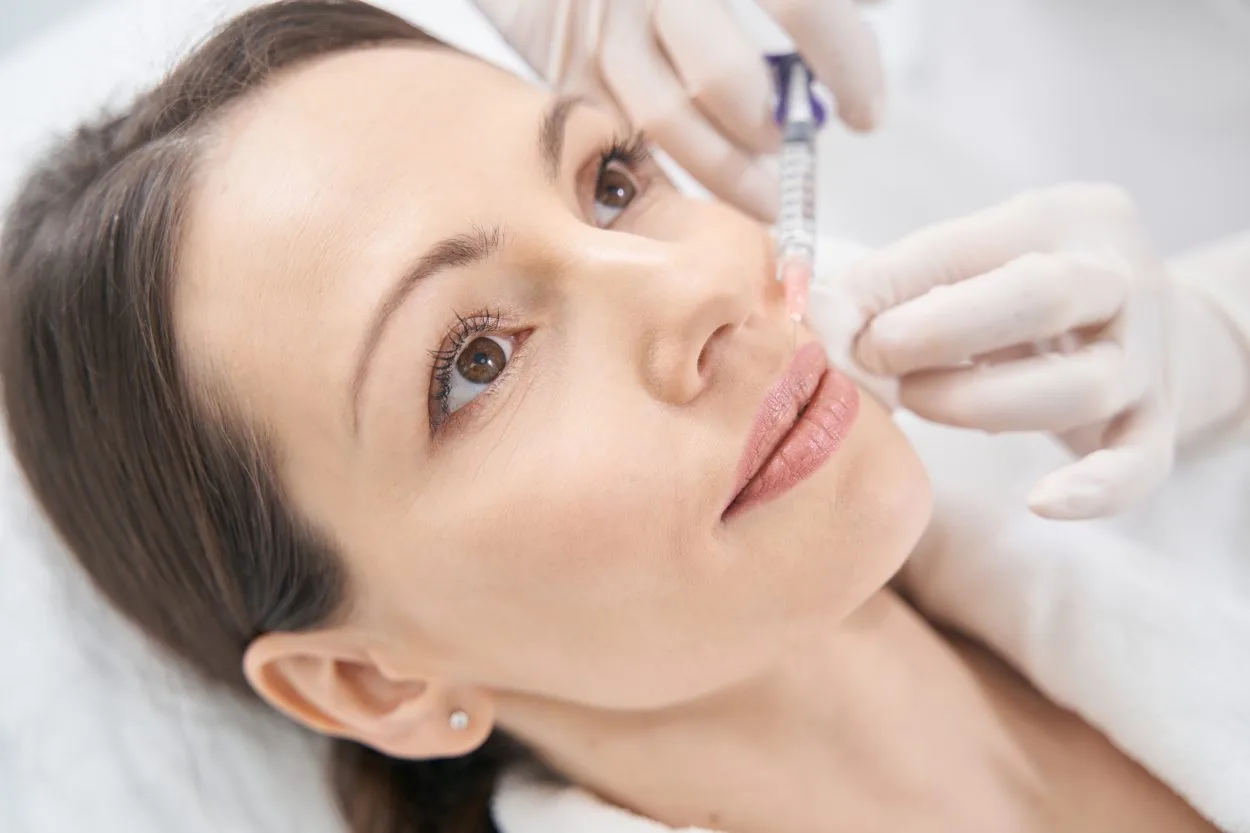

A dermatologist can assess a patient’s skin health, treatment goals, medical history, and risk factors before recommending injectable procedures. This evaluation determines whether a treatment is suitable, what results may be realistic, and how to reduce potential complications. Here is a closer look at how dermatologists evaluate the safety and benefits of injectable procedures:
Reviewing Patient Health
The health review is a key step in the initial consultation phase. A dermatologist gathers detailed medical histories, and they review current medications carefully. If a patient has an autoimmune condition, the dermatologist will adjust the treatment plan accordingly.
Medical professionals look for allergies to specific product ingredients. Patients should disclose their current supplements, and the provider checks for potential bleeding risks. Although injectables are generally safe, thorough screening prevents adverse medical events.
Disclosure of previous cosmetic procedures is a fundamental clinical requirement. Patients list past treatments, and the dermatologist records this data thoroughly. Laboratory tests are sometimes necessary for specific patient health profiles. The doctor reviews the lab results, and they clear the patient for treatment.
Assessing the Skin and Face
A dermatologist conducts a physical assessment to observe anatomical structures. They assess muscle movement closely, and they analyze skin elasticity. While the health review examines internal factors, this step maps the external facial features. Here are key things dermatologists look out for:
- Skin Quality: Providers assess skin texture to make sure it can support the injected product.
- Facial Symmetry: Practitioners map facial proportions to plan balanced and proportional applications.
- Muscle Dynamics: Doctors observe muscle contractions to accurately place neuromodulators.
This detailed observation helps doctors map out the injection sites. They document baseline skin conditions, and they use this data for ongoing comparison.
Planning Safe Treatment
Safety protocols guide every decision during the clinical planning stage. A dermatologist calculates precise dosages, and they select the appropriate products. If the patient has thin skin, the provider may choose a softer filler material. The dermatologist discusses expected outcomes, and they outline the required recovery process.
The medical staff prepares sterile equipment, and they organize the clinical workspace. Before the treatment begins, the skin doctor sterilizes the targeted injection sites. Pain management is a key aspect of the overall plan. The practitioner applies topical anesthetics, and the patient rests comfortably in the chair. The provider evaluates different formulas, and they choose the safest product match.
Monitoring Treatment Results
Follow-up care monitors the patient’s physical recovery progression. The dermatologist evaluates the initial results and schedules a routine review appointment. After the product settles into the tissue, the provider checks for clinical complications. Here’s how they monitor treatment results:
- Symptom Monitoring: The clinical team monitors swelling to make sure the healing remains on track.
- Outcome Evaluation: The provider assesses the visual results to confirm the initial treatment goals.
- Future Adjustments: Practitioners plan maintenance sessions to sustain the desired cosmetic look.
Routine follow-up visits are helpful for long-term maintenance. A dermatologist tracks these physical outcomes and keeps detailed clinical records.
Consult a Local Dermatologist Today
The clinical evaluation process is fundamental for safe injectable treatments. A dermatologist reviews medical histories and performs thorough facial assessments. While treatments offer aesthetic changes, patient health remains the top medical priority. Professionals will assess your physical profile, and they will recommend appropriate clinical options. Contact a qualified dermatologist in your area to schedule your consultation today.
