

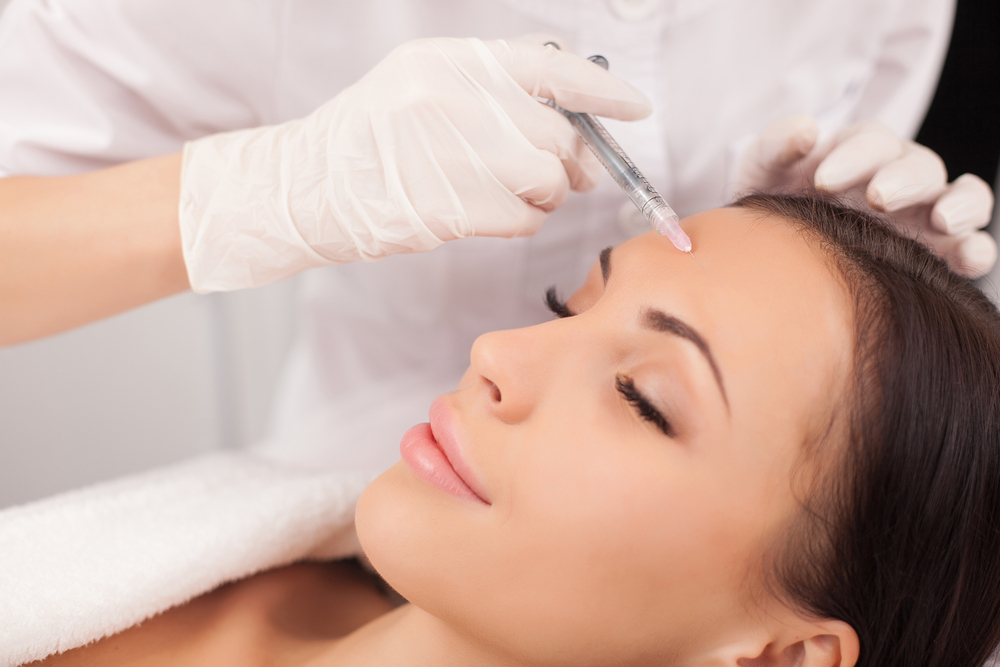

Botulinum toxin type A forms the key ingredient of the medical product named Botox. While people may recognize the brand name, the underlying scientific mechanism remains a highly technical subject. Medical professionals administer these targeted injections, and the active substance alters normal nerve signals locally. Here is more information on the science behind this injection and its effects on facial muscles:
Blocks Acetylcholine
Before a facial muscle moves, your nervous system releases a chemical messenger called acetylcholine. This specific neurotransmitter travels quickly across the tiny gap between distinct nerve endings and muscle fibers. The chemical binds to specific muscle receptors, so the targeted tissue receives the signal to contract. The muscle responds directly to this specific chemical command during normal facial expression.
Botox enters this designated area, and it actively interrupts the established communication pathway. Because the neurotoxin blocks the acetylcholine release, the nerve simply fails to send its message. The targeted facial muscle stays completely still without that necessary chemical command. The transmission process stops entirely at the localized injection site.
Paralyzes Muscles
This resulting chemical block aims to cause a temporary state of strict local paralysis. The affected muscle rests completely, but the surrounding untreated facial areas function normally. Since the muscle lacks nerve input, it physically cannot contract during your facial expressions. The localized area remains immobilized for a set period.
While the medication remains active, the forced muscle relaxation persists for several months. The human body gradually clears the botulinum toxin, and normal nerve function eventually returns. New nerve endings will slowly grow to restore the original muscle movement over time. The paralysis fades as the nerve connections slowly reestablish themselves and they return to normal.
Medical providers study facial anatomy deeply, or they risk affecting the wrong muscle groups. Precise anatomical knowledge guides every single needle placement during the brief procedure. If the injection misses the mark, unintended facial weakness might easily occur. The practitioner maps the facial muscles carefully before beginning the process.
Targets Specific Muscles
Providers isolate very specific facial regions during a standard treatment session. When they inject the product, they focus strictly on hyperactive muscles above the eyes. They target these zones carefully, and this precise targeting yields highly specific physical changes. These areas include:
- Muscles across the forehead
- Area between the brows
- Areas around the eyes
Reduces Wrinkles
Because the underlying muscle stops folding the skin, dynamic facial lines typically decrease when it is used correctly. The skin lies flat over the paralyzed muscle, and existing creases soften gradually over time. Repeated facial movements no longer fold the delicate skin in those targeted areas. The overlying tissue rests without the constant mechanical stress of underlying muscle contraction.
Get Botox Near You
You now understand the underlying science, so you might want to find a local provider. Contact a licensed medical professional in your exact area to discuss this procedure today. Before you book an appointment, ask about their specific medical training and clinical experience. Call a certified local dermatology clinic to schedule your initial consultation and begin the process.
