

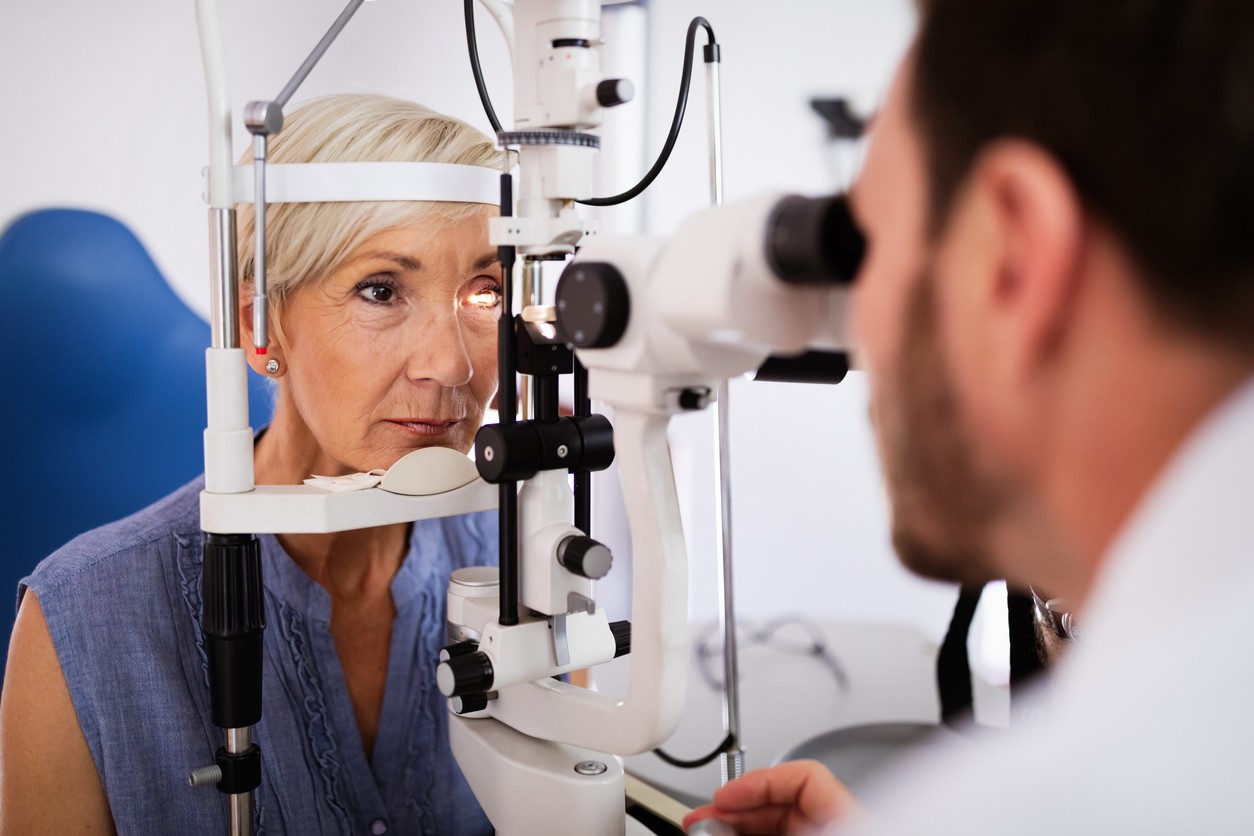

Cataract surgery is a procedure where your eye doctor removes the natural, cloudy lens of your eye and replaces it with a clear synthetic lens. The procedure helps light focus correctly on the retina, improving or correcting your vision. Before a surgeon performs the surgery, the patient will need to schedule a consultation. Here is what to expect during your cataract surgery consultation:
Meeting the Surgeon
A cataract surgery consultation begins with a meeting with the surgeon, who will ask detailed questions about your eyes and vision. They may inquire about specific issues, such as blurred or dim vision, and how long these problems have persisted. You will also discuss your daily routines, including work and other activities that require sharp eyesight. Tasks such as reading, using a computer, driving, or watching television may be explored in detail to assess the visual demands of your lifestyle. This information allows the surgeon to evaluate whether cataract surgery is appropriate for you and to tailor the approach to your individual needs.
Reviewing Your Medical History
Your medical history provides key information that helps diagnose various conditions, including cataracts. It outlines the origin of your eye problem and any measures you have taken to address it. Be sure to include other health conditions, such as diabetes, high blood pressure, or heart disease, as these can influence your treatment and should be discussed with your surgeon.
It is also necessary to inform your surgeon about all medications you take, including prescription drugs, over-the-counter remedies, and supplements. Bring an up-to-date list of your medications; make sure to mention any allergies or sensitivities to medications, as this information is key for planning a safe procedure. Providing a complete and accurate history allows the surgeon to anticipate potential complications and plan the procedure with greater precision.
Performing Eye Examinations
The eye exams your surgeon may perform include a general eye check-up, a visual acuity test to assess how clearly you see, and a measurement of eye pressure. They can also measure the length of your eye to determine the appropriate lens implant for the surgery. The surgeon may dilate your pupils to examine the back of the eye more thoroughly. Additional tests, such as ultrasound, optical biometry, or immersion biometry, may be used to gather precise measurements. These results are key to calculating the correct lens power to optimize your vision after surgery.
Analyzing Test Results
The results from your diagnostic eye exams are sent to your surgeon, detailing the cataract’s size and location. Using these results, the surgeon selects the most suitable intraocular lens implant for your eye. They also evaluate your overall eye health to determine whether you are eligible for surgery.
Discuss the available surgical options with your surgeon before making any decisions. The surgeon will explain the benefits and risks of each option to help you make an informed choice. They may also review the types of intraocular lenses, including single-vision and progressive lenses, and how each affects vision.
Schedule a Cataract Surgery Consultation Today
A cataract surgery consultation provides the surgeon with the information they need to plan the procedure. It allows the patient to better understand the process, the required medications, and the possible outcomes. Contact a cataract surgeon today to schedule a consultation.
