

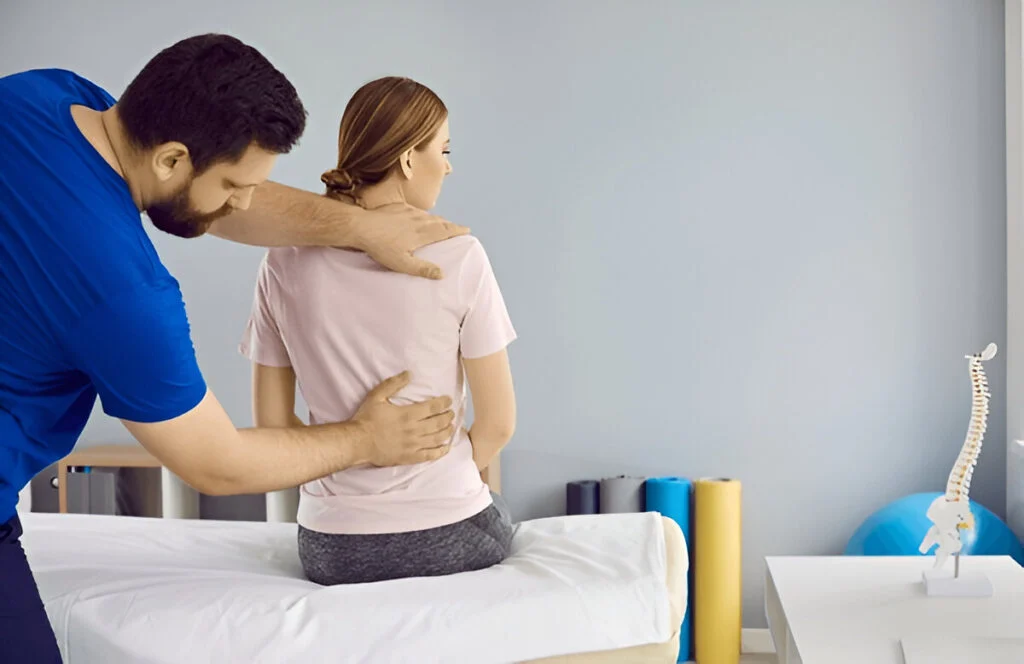

Physical therapy addresses movement, function, and pain through structured treatment plans. Therapists assess each person’s condition and design programs that are based on individual needs. These programs often combine several techniques, and they may include both manual methods and guided exercise. Here are some different techniques in physical therapy:
Balance and Gait Training
Balance and gait training focuses on how you stand, shift weight, and walk. A therapist observes your movement patterns and identifies areas where stability is compromised. The plan may include exercises on stable and uneven surfaces, and controlled stepping drills or support tools like parallel bars are often incorporated. Sessions usually progress in stages as coordination improves over time. Progress is often measured through changes in stride consistency and the ability to navigate daily environments.
Muscle Retraining
Muscle retraining works to restore communication between the brain and specific muscle groups. After an injury, surgery, or period of inactivity, muscles sometimes weaken or stop firing in the right sequence. This can disrupt normal movement patterns, and it often causes other muscle groups to compensate for the weakened activation sequence.
Therapists use targeted exercises, resistance bands, and hands-on cues to guide proper activation. Some patients work with biofeedback devices that display muscle responses on a screen, helping them learn to adjust and improve muscle activation in real time. Repetition matters here. Each controlled movement reinforces the pattern, and the therapist adjusts the load and range as your strength changes.
Massage Therapy
Massage therapy in a clinical setting involves applying manual pressure to muscles and soft tissues. The goal is to address tightness and reduce tension during recovery, and techniques include:
- Kneading
- Deep tissue work
- Trigger point release
Massage therapy is often incorporated into an exercise session, but it may be the primary focus. Pressure levels are adjusted based on your feedback and the condition under treatment. When deeper soft-tissue restrictions are present, therapists may incorporate slower techniques to help the body adjust without causing discomfort.
Pain Management Strategies
Pain management in physical therapy draws on several methods, and the right mix depends on your situation. Therapists often combine manual therapy with heat and cold. While heat application loosens stiff tissue, cold treatment is applied to swollen or inflamed areas.
Education forms another part of the approach. Your therapist may explain posture adjustments, pacing techniques, and ways to modify daily activities to make movement feel more manageable. Exercise also plays a role; gentle, structured activity supports tissue function and mobility. Throughout the process, the therapist tracks your response and updates the plan to match your progress.
Learn More About Physical Therapy
Physical therapy integrates balance and gait training, muscle retraining, massage therapy, and pain management strategies into a single, coordinated plan. Each technique serves a defined purpose, and a licensed therapist selects the combination that fits your assessment. A therapist will review your health history, discuss your goals, and explain the options available to you. A structured approach allows progress to be adjusted as your condition changes, so each stage of recovery remains responsive to your needs. Contact a physical therapist today to schedule a consultation.
