

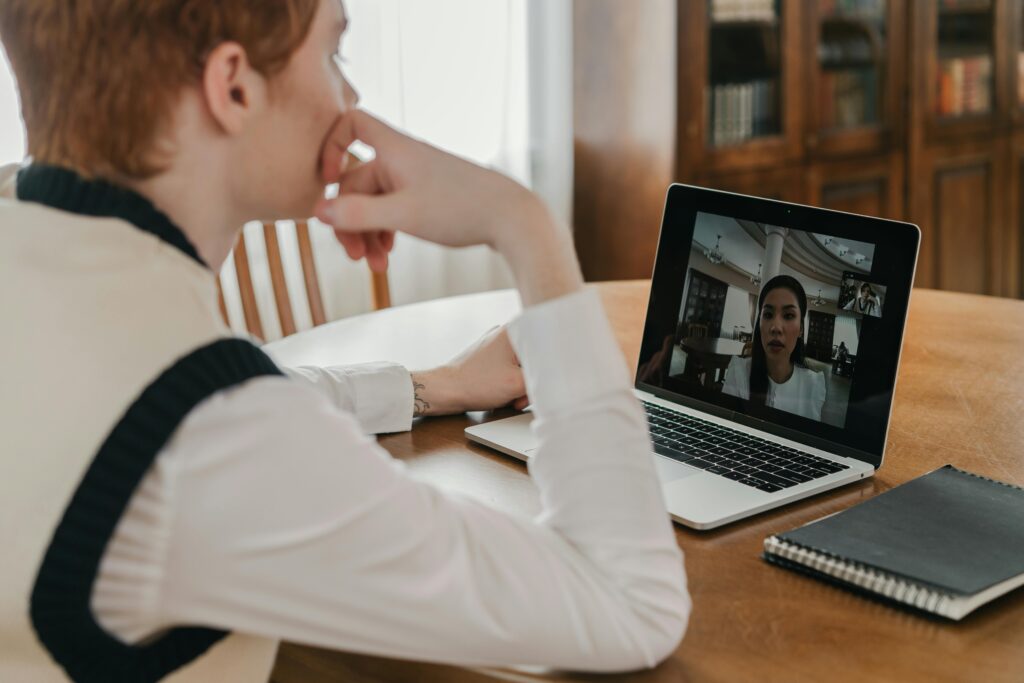

Anxiety affects millions of individuals globally, and it manifests through persistent worry about daily situations. When people experience this condition, their bodies release stress hormones that cause rapid heartbeats and other symptoms. These symptoms can cause anxiety attacks, and such conditions can impede the day-to-day activities of individuals affected by anxiety. Medical professionals treat these symptoms through various methods, but they also evaluate lifestyle factors.
Mindfulness
Mindfulness practices require attention to the present moment, and patients learn these skills through virtual therapy sessions. Because video calls connect individuals with specialists, patients practice deep breathing exercises under direct observation. A therapist can demonstrate specific techniques that bring the patient back into normal breathing patterns. Practices like these can reduce the stress that accompanies anxiety.
Patients may be asked to notice physical sensations during a session, or they are asked to focus on environmental sounds. As individuals scan their bodies for tension, they actively release muscle tightness through meditative techniques. Telehealth platforms provide a functional medium for these exercises where patients can practice these techniques in their own homes.
Stress Management
Therapists teach cognitive restructuring, and this method targets negative thought patterns in order to replace them with positive patterns. Patients identify their specific triggers when they discuss daily routines with a professional, and they can track their progress through daily logs. The provider assigns specific behavioral modifications as assignments for their patients to work on over the course of the week.
Individuals build resilience through consistent routines. If a patient experiences a panic attack, they apply grounding strategies that the provider teaches them during telehealth sessions. Providers offer feedback during appointments about panic attack management, and they adjust treatment plans accordingly.
Patients monitor their sleeping habits because rest can affect mental stability. Because physical activity burns excess adrenaline, specialists may recommend daily exercise regimens to patients who experience anxiety regularly. A structured schedule creates predictability for patients, and structure can reduce anxiety over time.
Comfort and Convenience
Virtual appointments eliminate travel time, and patients can attend therapy sessions from the comfort of their own homes. When patients stay in their homes for therapy, they can feel secure by being in familiar surroundings. Digital platforms connect individuals to remote specialists, and this technology bridges geographic gaps, especially when an individual wants treatment from a therapist further away.
Patients can select specific appointment times, or they can request immediate consultations if their therapist offers unscheduled appointments. Many providers offer text-based communication to allow their patients quicker access to help during a crisis. If an individual struggles with verbal expression, they can type their responses instead. Because telehealth options add methods of communication, patients who may have been apprehensive about beginning therapy have easier options for getting help.
Book an Anxiety Treatment Telehealth Appointment
Anxiety is a mental health disorder that often requires the help of professionals. When a therapy office offers telehealth options, it often opens the doors for individuals to receive the help they need to treat anxiety. Consult with a provider to determine whether telehealth anxiety therapy is right for you, and learn techniques to manage your anxiety.
