

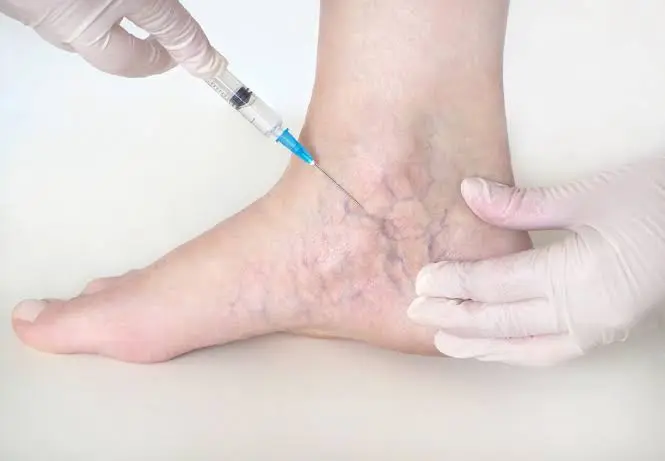

Sclerotherapy is a minimally invasive treatment used to reduce the appearance of spider veins and treat certain varicose veins. While patients often experience clear-looking skin and relief from related symptoms, it is also fundamental to understand how treatment may affect vein health over time. Here is a closer look at the long-term effects of sclerotherapy on vein health:
Exploring Post-Treatment Vein Changes
Veins undergo several changes once the solution is injected, and understanding these changes helps you set clear expectations. Here’s what patients can typically expect after sclerotherapy treatment:
- Vein closure: The treated vein collapses and seals shut, and your body slowly absorbs it.
- Fading appearance: The treated vein gradually fades from view, though full results may take several weeks or longer to appear.
- Temporary discoloration: Some people may experience brownish lines along the treated area; while this often fades, the timeline varies from person to person.
- Possible new veins: New spider veins may develop near the treated site, even when the original treatment works well.
These changes are part of the normal healing pattern, and tracking them gives you a clearer picture of your progress.
Evaluating Vein Health
Long-term vein health depends on several factors, and treatment results can change over time. A treated vein that closes properly will not reopen, but other veins in the same area may still develop visible changes. This means sclerotherapy addresses existing veins rather than stopping new ones from forming, so ongoing monitoring remains helpful.
Genetics, lifestyle, and daily habits all influence how veins behave after treatment. People who stand for long hours or have a family history of vein issues may observe changes sooner, and these patterns guide future care decisions. Regular check-ins with your provider let you compare current results to past sessions.
Supporting Healthy Veins After Treatment
Daily habits play a key role in how your veins look and feel after sclerotherapy treatment. Here are practical ways to support circulation as your body heals:
- Wear compression stockings: They apply gentle pressure to support blood flow, and providers often recommend them for a set period after treatment.
- Stay active: Walking and light movement keep blood circulating, and regular activity supports overall vein health.
- Manage your weight: Extra weight adds pressure on leg veins, so maintaining a stable weight can ease that strain.
- Protect against sun exposure: Sunlight can darken treated areas, and shielding your skin helps the discoloration fade more evenly.
- Elevate your legs: Raising your legs for short periods reduces pressure on the veins and supports recovery.
Incorporating these practices into your daily life can help you enhance treatment effectiveness and your overall well-being.
Seeking Further Care
People often recover from sclerotherapy without trouble, but certain signs call for a closer look. Persistent swelling, ongoing pain, or warmth around the treated area may signal a problem, and reporting these symptoms early lets your provider respond quickly. Contact your clinic if you experience any unusual changes, and make sure you describe them clearly.
Follow-up visits also help when results do not match your expectations or when new veins appear. Your provider can examine the treated area, review your history, and recommend whether another session would help. Some people may need more than one treatment to reach their goals.
Schedule Your Sclerotherapy Appointment Today
Sclerotherapy is a safe and effective treatment for addressing unwanted veins, improving appearance and comfort. Understanding the procedure, following treatment care instructions, and attending follow-up visits as needed can help individuals achieve optimal results. Contact a qualified dermatologist near you to schedule your sclerotherapy appointment today.
