

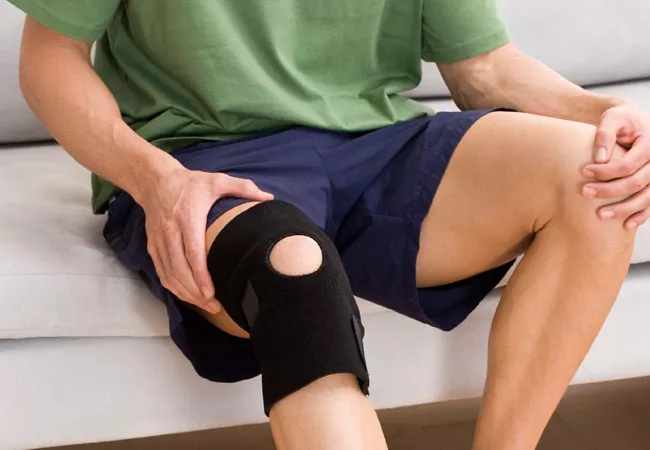

Knee pain affects people of all ages, and it disrupts daily routines. The discomfort might stem from injury, arthritis, or simple overuse. When your knees hurt, walking and climbing stairs feel harder than they used to. Here are several approaches that exist to manage the pain and support your mobility:
Lifestyle Changes
Small daily habits shape how your knees feel over time. Extra body weight adds pressure to each joint, so even a modest reduction lightens the load. You move more freely when your knees carry less strain.
What you eat plays a role too. Anti-inflammatory foods can reduce joint discomfort, and a balanced diet supports your overall health. Since your knees respond to repeated stress, swapping high-impact habits for gentler ones helps.
A few practical changes to start with:
- Wear supportive, well-fitting shoes
- Take breaks when standing for long periods
- Use a cushion or brace during activity
Medications
Several medications address knee pain at different levels. Over-the-counter options reduce mild discomfort, and many people start there. Since some drugs carry side effects, a pharmacist or doctor guides safe use.
Topical creams target pain at the surface, while oral options work throughout the body. Prescription medication treats more persistent pain, and a doctor matches it to your needs. When the pain lingers, a medical review helps you find the right approach. Physical therapy or alternative treatments may also be recommended alongside medications for more comprehensive pain management.
Exercise Movements
Movement keeps your knees flexible, but the right type matters. Low-impact activities are performed to reduce strain while building strength around the joint. When you stay active, your muscles may support the knee more effectively.
Stretching loosens tight tissue, and gentle motion can be performed to improve circulation. If you feel sharp pain during a movement, stop and rest. Strong leg muscles ease the burden on your knees, so targeted exercises make a difference.
Try these gentle exercise approaches:
- Swimming or water aerobics
- Cycling on a machine
- Completing seated leg raises
Surgery Options
Surgery becomes an option when other treatments fall short. Some procedures repair damaged tissue, and others replace worn parts of the joint. Your surgeon explains which approach fits your condition.
Arthroscopy uses small tools to address problems inside the knee. Recovery time varies by procedure, so your care team sets clear expectations. Since a joint replacement is a major step, doctors reserve it for advanced cases.
Your surgeon may recommend arthroscopic repair, or they might suggest a partial knee replacement. Total knee replacement is also an option. Since every case is unique, your doctor will explain the ideal surgical approach for your specific condition. Knee pain has many causes, and each one calls for a different treatment plan.
Get Treated for Knee Pain
A proper diagnosis points you toward the treatment that suits your situation, and when you understand the source of the pain, your next steps grow clearer. An orthopedic clinic team reviews your symptoms, and they map out a treatment path with you. Since every knee condition is different, a tailored plan starts with a conversation. Schedule an appointment today, and take the first step toward relief.
