

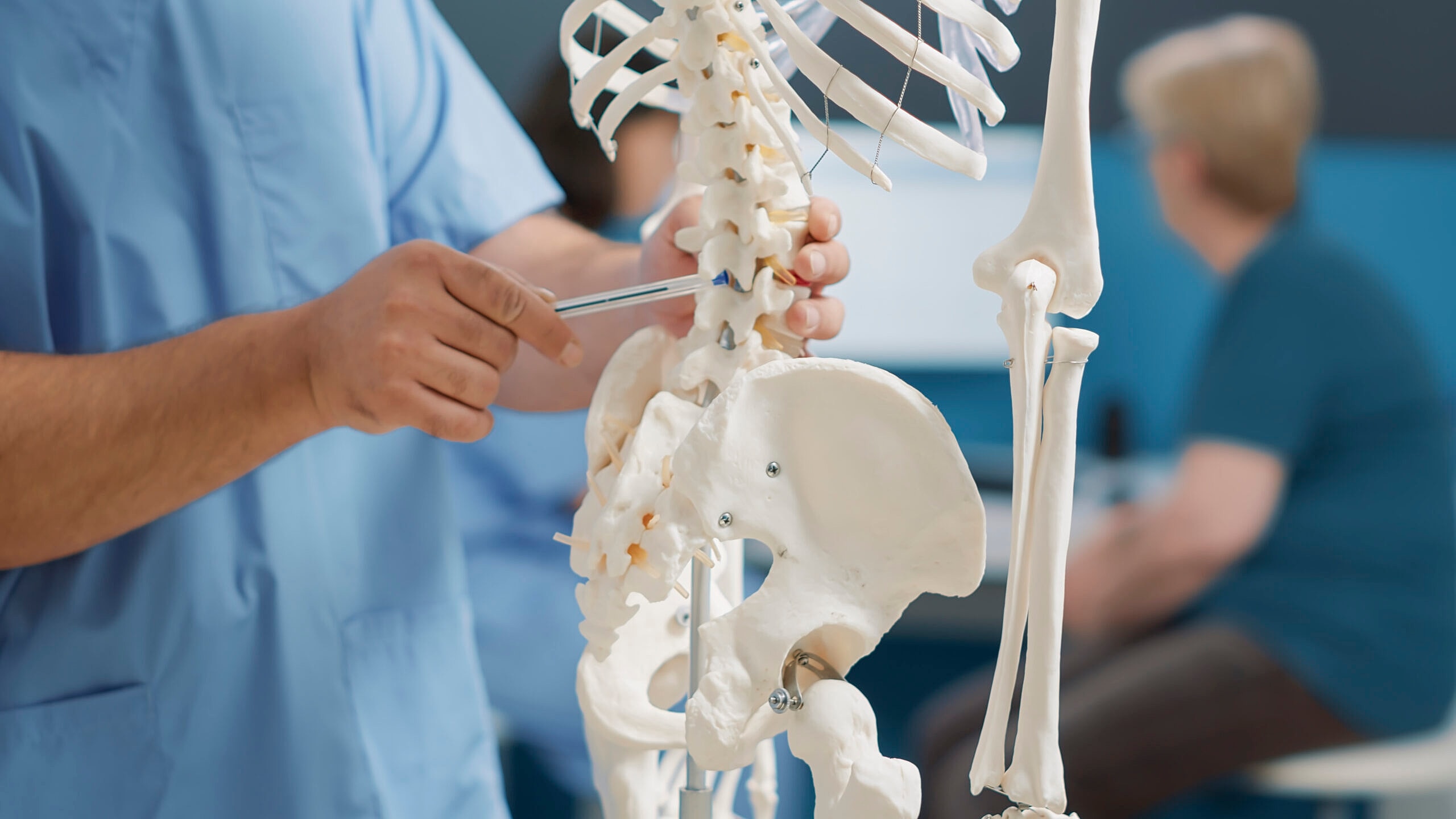

A spinal fracture happens when one or more bones in the spine crack, collapse, or break apart. These injuries often follow sudden impacts or injuries or weakened bone conditions like osteoporosis. Recovery looks different for each person, and it depends on the location and severity of the break. Here are some tips for navigating recovery from a spine fracture:
Provide Stabilization and Support
Stabilizing the spine is a key first step in supporting proper healing and preventing further injury. Your care team will work to hold the injured area in place so the bone has a chance to heal. This often involves a back brace, which limits movement and reduces strain on the affected vertebrae. Bracing periods vary, and some people wear support for several weeks while bones knit back together.
Rest also plays a large part. During early healing, you may be advised to limit bending, twisting, and heavy lifting. Following your provider’s guidance helps protect the spine while it stabilizes. In more serious cases, surgery may be recommended to realign and secure the bones. Procedures such as fusion or vertebral augmentation use hardware or special cement to stabilize the structure; your surgeon will explain which approach matches your situation.
Manage Pain
Pain often accompanies a spine fracture, and managing it can make the recovery process more tolerable. Medication is a common tool. Because the level of discomfort varies, doctors prescribe options that range from over-the-counter relievers to stronger prescription medications.
Beyond medication, simple measures help. Cold packs reduce swelling in the first days after injury, while heat may ease muscle tension. Resting in positions that take pressure off the spine also offers relief for many people.
Track your pain levels and share them with your care team. When discomfort changes or worsens, that information guides adjustments to your treatment plan. Records also help you identify patterns over time, and they can improve communication during follow-up visits.
Attend Physical Therapy
Once your spine has stabilized, physical therapy usually becomes a primary focus. A therapist designs a program tailored to your injury, fitness level, and daily needs. The goal is to rebuild strength and restore movement. Early sessions might start with light stretches, and small movements wake up muscles without straining the healing area. As you progress, your therapist gradually adds:
- Strengthening exercises that target the muscles supporting your spine
- Flexibility work to restore range of motion
- Posture training to reduce stress on the back during everyday tasks
- Balance practice to lower the risk of future falls
Consistency matters in this phase. Attending scheduled sessions builds routine, and practicing your home exercises reinforces progress between visits. Your therapist will adjust the plan as your body responds, increasing difficulty when you are ready and easing back when needed.
Repair a Spine Fracture
Recovering from a spinal fracture includes clear stages. Doctors aim to stabilize the injury, manage pain, and rebuild strength through therapy. Each phase plays its own role, and following your care team’s guidance keeps the process on track. Since healing takes time, consistent effort makes a difference in how you regain function and comfort. If you have a spine fracture, contact a spine specialist today.
