

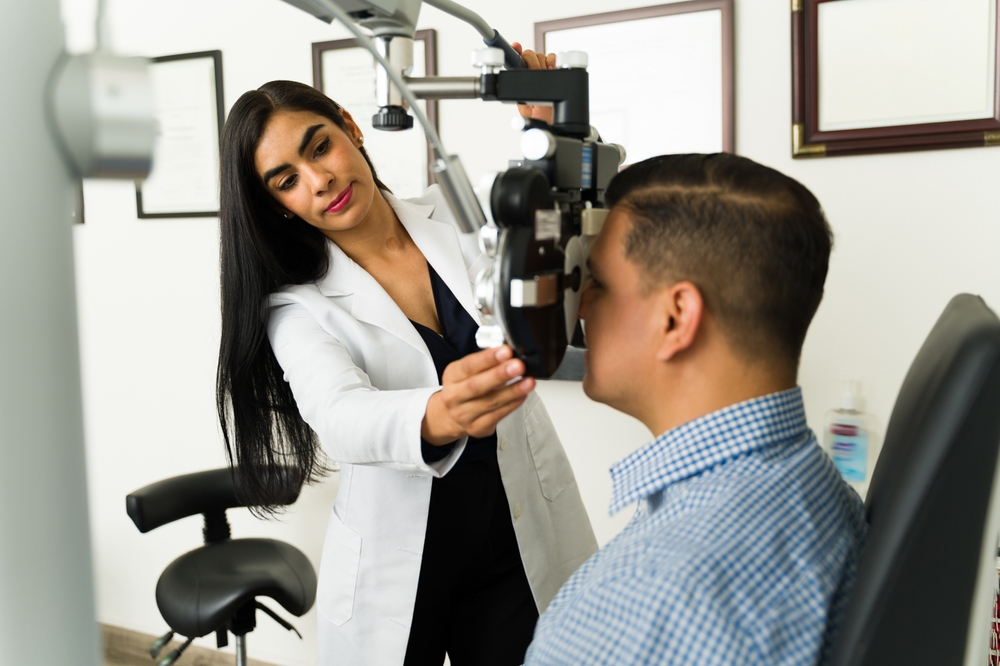

An ophthalmologist is a medical doctor who diagnoses and treats conditions affecting the eyes and vision. Preparing for your appointment can help you explain your symptoms clearly, provide accurate medical history, and make the most of your eye evaluation. Here is a closer look at how to prepare for your ophthalmologist appointment:
Eye History Review
Your medical background provides a foundation for the clinical evaluation. The ophthalmologist needs to know about previous diagnoses, and the staff will ask about your family history. While you gather your thoughts, write down any past surgeries or recurring symptoms.
Family genetics play a role in eye conditions; some eye diseases are hereditary. You should document any known relatives with glaucoma or macular degeneration. Although you may not have every detail, a general overview gives the doctor a clear starting point. Systemic health issues also impact ocular function. Conditions like diabetes affect the blood vessels in the retina, and high blood pressure can cause vascular occlusions.
Medication List
Eye specialists must review everything you consume daily. Prescription drugs can cause visual side effects, and over-the-counter supplements may interact with eye drops. Before you leave for the clinic, place all your pill bottles into a small bag. A written list is another helpful option; you can type out the exact dosages or ask your pharmacy for a printed profile. If the ophthalmologist plans to dilate your pupils, they need to verify that your current prescriptions will not cause adverse reactions.
Questions To Ask
You should write your inquiries on a piece of paper and bring a pen to take notes. When you prepare specific questions in advance, you can maximize your time with the ophthalmology doctor. Here are some key questions to ask your ophthalmologist:
- Diagnostic tests: Ask which specific exams the staff will perform to evaluate your visual acuity.
- Treatment options: Request details about available therapies if the doctor discovers a new condition.
- Daily management: Find out how you can manage your symptoms at home with proper hygiene or rest.
- Follow-up visits: Inquire about the timeline for your next checkup or specialized procedure.
- Surgical procedures: Request information about recovery times if the doctor recommends surgery.
These inquiries guide the conversation toward actionable health steps. The doctor will address each concern, and the clinical staff can provide printed educational materials.
Aftercare Plan
Certain clinical procedures can temporarily affect your vision. Pupil dilation makes your eyes sensitive to light, and the drops will blur your focus for several hours. If you undergo these tests, you must arrange for a driver to take you home safely. Sunglasses are highly helpful after an eye exam. The clinic may provide disposable lenses, but your own pair may offer better comfort. Some treatments involve minor discomfort or dry eyes afterward. The doctor may prescribe soothing drops, and the staff will explain how to apply them.
Visit an Ophthalmologist Today
Regular eye exams are fundamental for maintaining optimal eye health and detecting potential issues early. Understanding the steps involved in your visit, including preparation, the examination process, and post-exam care, can support a smooth and stress-free experience. With the guidance of the ophthalmologist, patients can address discomfort or concerns that may arise and take proactive steps to protect their vision. Contact a qualified ophthalmologist near you to schedule your appointment today.
