

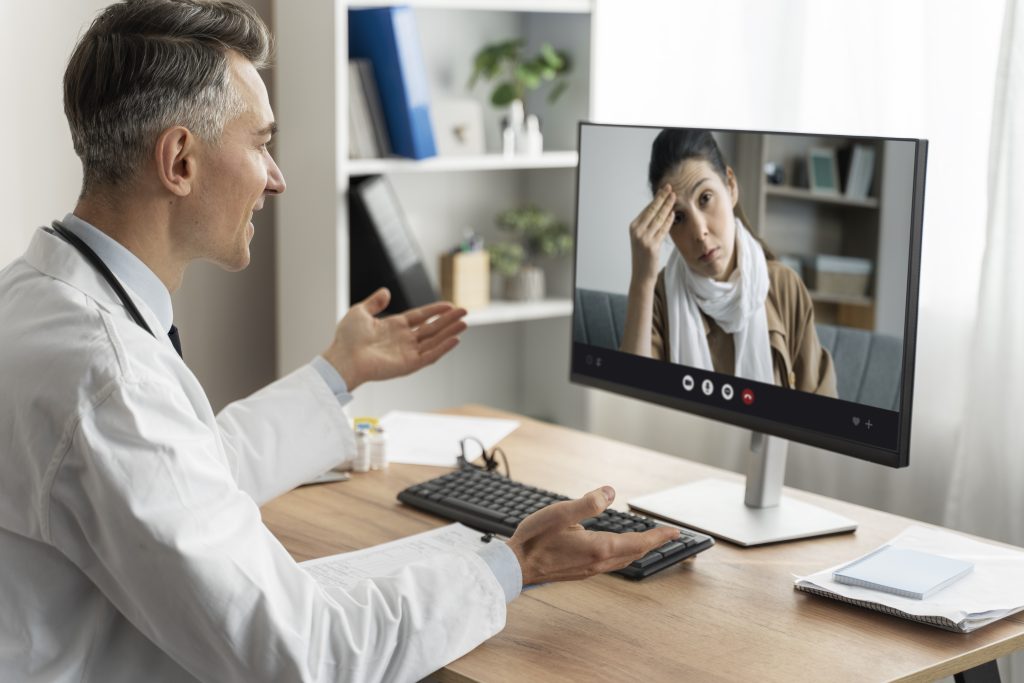

Telehealth uses video calls, phone calls, and secure messaging to connect you with healthcare providers, and you can meet with a clinician from home. Since internet access is available in most households, more practices now offer remote appointments. This shift changes how patients reach care across many specialties. Here is more information on this form of patient care:
Medication Management
Medication management tracks how prescriptions affect you over time. Your provider reviews dosages, and you report any side effects through the call. Since refills are processed electronically, the pharmacy typically receives orders quickly. This direct routing aims to reduce gaps between telehealth appointments.
Follow-up visits help keep treatment on course. You describe changes in symptoms, and the clinician adjusts the plan as needed. As records update in real time, your full history stays visible. A short check-in replaces a longer office trip.
Psychotherapy Sessions
Therapy works well over video, and many patients schedule sessions from their living room. You log in at the set time, and your therapist appears on the screen. Since travel is avoided, people who live far from a clinic now reach a counselor. A short walk to the laptop replaces a long drive.
Sessions follow the same structure as in-person visits. Your therapist asks questions, listens, and tracks your progress over weeks. As the platform stays private, conversations remain confidential. Some patients may be more open at home, and that comfort shapes the discussion.
Scheduling flexibility helps people with packed days. You book a slot during a lunch break, and the session fits between other tasks. Since no commute exists, missed appointments may drop. This steadier attendance gives the therapist a clearer picture of your needs.
Evaluations of Mental Health
A first mental health evaluation reviews your history and current symptoms. The clinician asks structured questions, and you answer through the video call. Since forms arrive digitally before the visit, paperwork typically moves faster. This preparation lets the appointment focus on you.
Remote evaluations cover several areas during one session:
- Mood patterns and sleep habits
- Daily stress and triggers
- Past treatment and medications
The clinician notes each response, and the data shapes a care plan. Since the visit happens in your own space, you describe symptoms in context.
Patient Monitoring
Remote monitoring lets providers watch key health data between visits. Connected devices send readings, and the care team reviews the numbers daily. As alerts flag unusual results, staff respond before problems grow. This steady stream of data supports ongoing decisions.
Patients can track several measurements at home:
- Blood pressure
- Heart rate
- Blood sugar levels
You record each reading, and the device uploads it automatically. Since the data reaches your provider directly, fewer details may slip through. This system keeps care connected across the weeks between appointments.
Schedule a Telehealth Session
Telehealth reshapes how patients access therapy, evaluations, prescriptions, and monitoring. Reach out to your provider to ask about remote appointments, and you can confirm coverage, choose a slot, and prepare for your first visit. As options keep expanding, telehealth gives you another path to care. Book a telehealth session today and start the conversation with your provider.
