

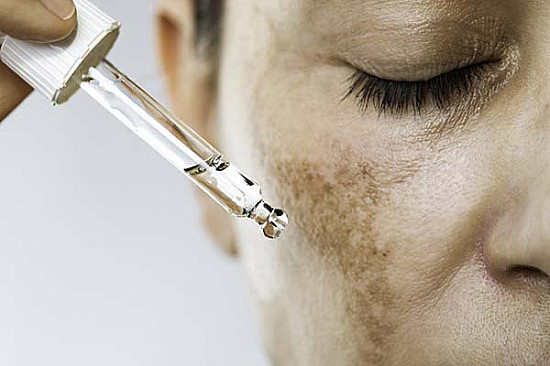

People may notice areas of their skin that look darker than the surrounding tissue. These spots can appear on various areas of the body, and this includes the face, hands, or arms. While they are usually harmless, they may raise questions about why they form and what a dermatologist is able to do to address them.
What Is Hyperpigmentation?
Hyperpigmentation is a term used to describe skin that becomes darker in certain areas. The color comes from a substance called melanin; this is what gives skin its natural shade. When the body produces extra melanin in one area, that spot can appear brown, gray, black, or red. These darker patches may be small or large, and they are able to show up anywhere on the body.
There are several common forms of hyperpigmentation. Age spots often appear on areas that receive frequent sun exposure. Melasma may show up as larger patches, often on the face. Hyperpigmentation itself is not painful, and it does not spread from person to person. For most people, the main concern is the way it looks. Understanding the type you have is the first step toward learning how to address it.
What Causes It?
Several factors can lead to darker patches of skin, but the most common is sun exposure. Sunlight prompts the skin to make more melanin as a form of protection. This can create uneven coloring over time, especially on the face, shoulders, and hands.
Hormonal changes may also play a part; pregnancy, certain birth control methods, and shifts in hormone levels also trigger melasma. Skin injury or irritation is another frequent cause. After acne, burns, or other forms of damage, the skin may heal with a darker tone in that area. Other possible causes include:
- Taking medications that make the skin more sensitive to light
- Possessing medical conditions that affect hormone levels
- Aging
Because the causes vary so widely, a proper review by a trained professional can help identify the reason behind the change in color.
How Is It Addressed?
A dermatologist is a doctor who specializes in skin, hair, and nails. When you visit one for hyperpigmentation, the first step is usually an examination. The doctor will look closely at the affected area, and they may ask about your health history, daily habits, and any products you use.
Once the type of hyperpigmentation is identified, the dermatologist can explain the options available. These include topical products applied directly to the skin, in-office procedures, or guidance on sun protection; the right approach depends on the cause, the depth of the color, and your individual skin type. A dermatologist can also help you avoid steps that make the spots more noticeable.
Professional guidance helps you choose methods suited to your needs. Regular follow-up visits allow the doctor to track changes over time, and this ongoing support gives you a clear picture of how your skin is responding. Regular visits allow providers to make any adjustments that may help, if any are necessary.
Speak With a Dermatologist
These darker patches are usually harmless, but a sudden change in color, shape, or size is a sign worth checking. A dermatologist can examine these changes and rule out other concerns. If you have questions about darker patches on your skin, a dermatologist may offer guidance.
