

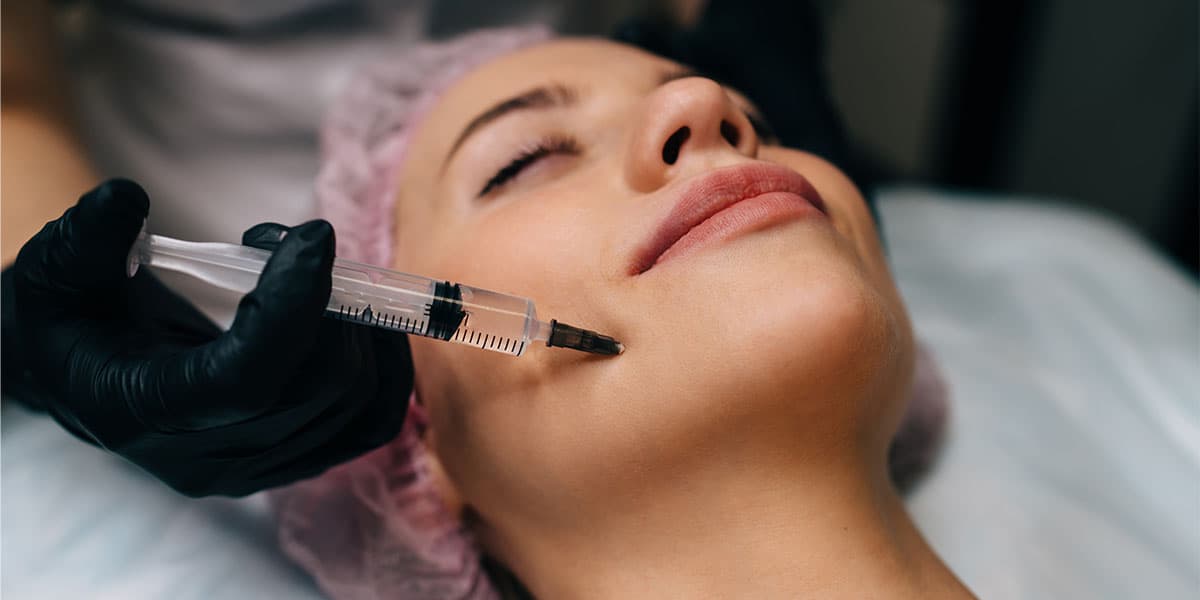

Botox is an injectable product used in aesthetic medicine as part of non-surgical facial rejuvenation. Providers create customized injection plans; this allows treatments to target specific facial areas to help address lines and wrinkles. Here’s information about the role of Botox in non-surgical facial rejuvenation:
Understanding Botox Basics
Botox is a purified injectable medication administered in controlled doses by licensed providers. It is injected into targeted facial muscles to temporarily reduce muscle activity in specific areas. Unlike surgical procedures, this treatment does not involve incisions or general anesthesia. In facial rejuvenation, Botox is primarily used to address dynamic lines, which form from repeated facial movements such as frowning or squinting. Treatment is not standardized; providers customize injection sites and dosing based on individual facial anatomy, prior treatment history, and the goals established during consultation.
Examining Treatment Areas
Providers use Botox in several parts of the face; they also treat the neck in some cases. During an assessment, the provider may study facial movement at rest and during expression. This step helps guide placement based on muscle activity. Treatment areas may include:
- Forehead lines
- Frown lines
- Crow’s feet
- Chin dimples
- Neck bands
Reviewing Botox Procedures
A Botox appointment usually starts with a consultation or pre-treatment review. The provider looks at medical history, current medications, previous cosmetic procedures, and the areas the patient wants to discuss. They may also examine facial balance and skin condition before building a treatment plan.
If Botox is appropriate for the visit, the provider cleans the skin and identifies the injection points. They then place small amounts of product into the selected muscles with a fine needle. The number of injection sites varies by treatment area and the scope of the plan. Most appointments are brief, but the timeline depends on the areas treated and the office routine. After treatment, the provider may share instructions about follow-up, scheduling, and general aftercare.
Exploring Cosmetic Uses
Botox helps soften dynamic wrinkles that develop around the mouth and eyes over time. By relaxing the underlying facial muscles temporarily, it can smooth the skin’s surface while preserving natural expressions when administered in controlled doses. In some plans, Botox appears alongside other non-surgical services. A provider may discuss skin care, laser procedures, fillers, or other office-based treatments depending on the areas being reviewed. This type of planning helps match each method to a specific cosmetic goal. A clear consultation allows patients to set boundaries around the treatment. Patients can gain a more practical view of what Botox is designed to address and where another approach would be more suitable.
Find a Botox Specialist
Because it offers a convenient, office-based option for selected expression lines, Botox is a widely used treatment in aesthetic medicine. Its role depends on careful assessment, precise technique, and a treatment plan shaped around the individual. The treatment helps smooth the face without surgery, and it reduces the appearance of lines and wrinkles. To learn more about Botox and whether it aligns with your cosmetic goals, schedule a consultation with a qualified provider today.
