

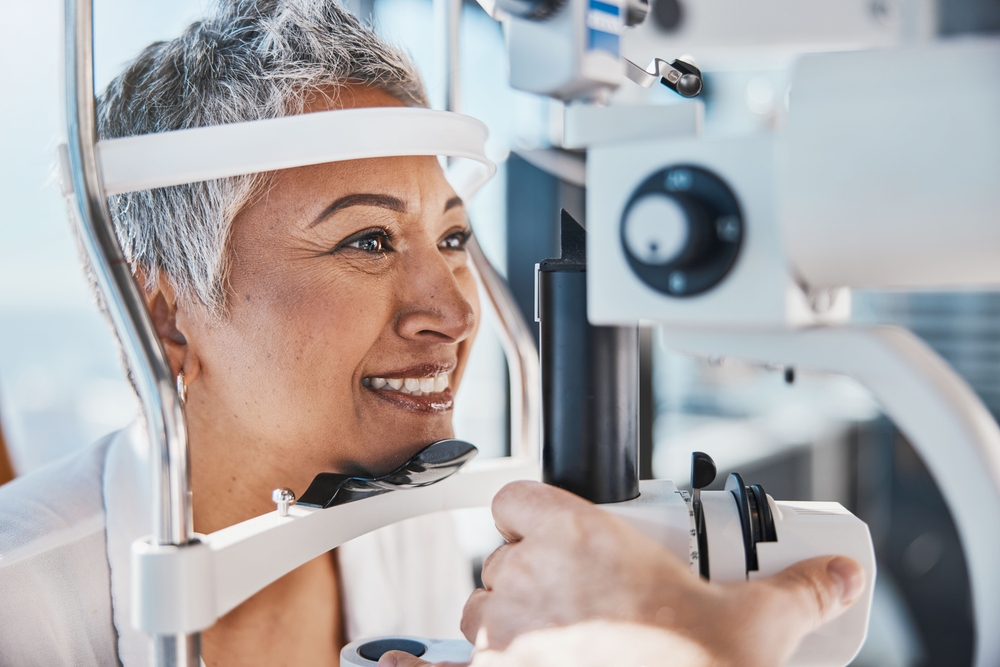

A routine eye exam is performed by trained optometrists to properly evaluate baseline vision and overall eye health. Diagnostic tests measure individual visual acuity, and medical doctors look for early signs of eye disease. Although many people wait for noticeable symptoms to appear before visiting the eye doctor, early assessments can identify problems before symptoms begin.
Purpose of Exams
When patients visit the office for an eye exam, doctors perform tests to detect signs of eye disease and degeneration. Clarity of vision is often checked during the examination by the doctor with a standard eye chart. The practitioner may also evaluate the health of the retina, and they also assess the optic nerve for any abnormalities. These tests are intended to help the doctor understand how to treat the patient or determine when to schedule the next exam.
Personalization of Exams
Every patient has unique personal health, so clinics intentionally tailor the testing process to make sure the visit is effective. Because inherited genetics can play a role in eye health, trained doctors review a patient’s family medical history. If a patient wears corrective lenses, the intensity of lens prescriptions can inform the doctor of the order of testing. Individuals who do not have corrective lenses may be evaluated differently from those who do.
A patient’s age can also determine the diagnostic approach taken by the medical staff. If healthy individuals have no vision issues, they can start having regular eye exams at age 40. Younger adults with a family history of eye health issues or experiencing symptoms of vision loss should not wait until 40 to start seeing an eye doctor. Because age can affect eye health, older adults may be treated with specialized testing to monitor for age-related macular degeneration.
Time Between Exams
While general guidelines recommend yearly eye exams, the recommended time between exams can be different for different people. An adult may wait several years between visits, but other individuals need more frequent visits to maintain their health. Optometrists can map out treatment timelines for each individual patient based on their personal data.
Systemic chronic illnesses may affect the internal tissues of the eyes, so doctors often monitor patients with these illnesses closely. Certain preexisting medical conditions require shorter periods of time between clinical evaluations to prevent lasting damage. Because high blood sugar from diabetes can damage blood vessels within the retina, diabetic patients often receive frequent optical monitoring.
Documented fast-advancing vision loss often requires regular medical intervention from a specialist to manage the situation properly. Prescribed eye drops can effectively slow down some degenerative conditions, and regular clinical measurement tracks the progression of the diseases. These measurements aid in building treatment plans for individuals who experience quick vision loss. Once a doctor accurately identifies the cause of visual deterioration, the clinic can schedule follow-up appointments for future testing and treatment.
Schedule an Eye Exam
If you have reached the age of 40 and have not had an eye exam, it is recommended that you schedule one. Others experiencing symptoms should also book a visit to the eye doctor. Call an eye clinic and schedule a routine exam.
