

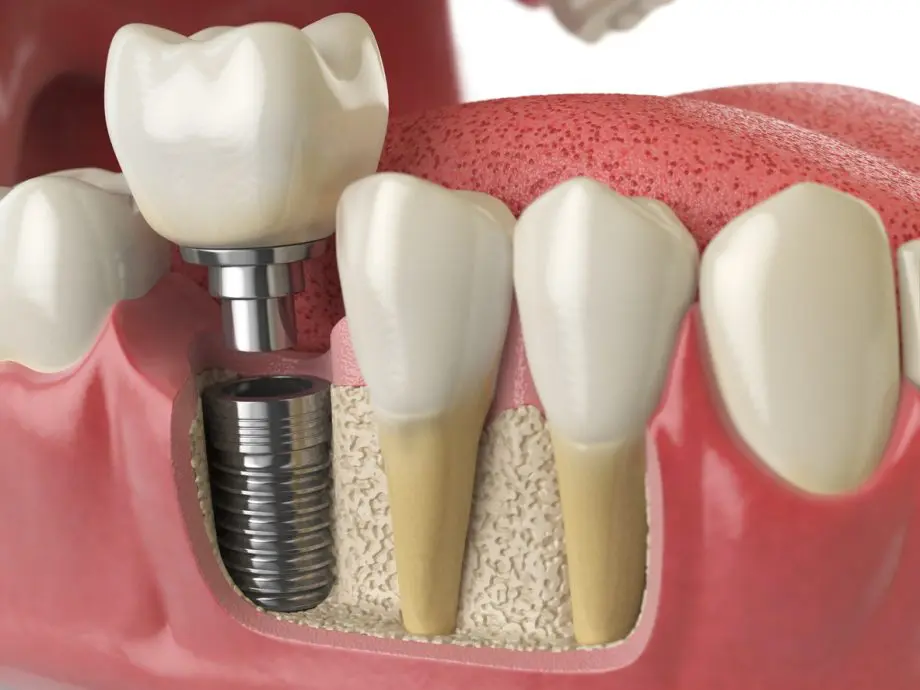

Dental implants are artificial tooth roots made of titanium, and they provide a stable foundation for permanent replacement teeth. Dental professionals use these devices to treat missing teeth, replace severely damaged teeth, and support dental bridges or overdentures. The complete process involves multiple stages spread out over several months. You can expect an initial consultation, surgical placement of the implant, an extended healing period, and the final attachment of a custom crown.
Overview of Dental Implants
To understand the timeline, it helps to know how the hardware functions. Dental implants consist of three distinct components that work together to replace a missing tooth. The implant itself is a small titanium screw inserted directly into the jawbone. An abutment serves as a connecting piece, and a custom-made crown sits on top to replicate the visible part of the tooth.
Unlike removable dentures, these implants integrate directly with your bone structure over time, and this integration provides greater long-term stability. The physical integration provides structural stability for chewing and speaking. Because the process requires your body to grow new bone around the metal, the treatment takes patience and careful monitoring.
Process of Getting Dental Implants
Getting dental implants requires precise planning and a series of scheduled appointments. Your provider evaluates your oral structure using advanced imaging, such as X-rays or 3D scans, and determines the best course of action based on the results. If you have insufficient jawbone density to support the titanium post, you may need a bone grafting procedure before moving forward.
During the primary surgical phase, the dentist places the titanium post into your jawbone, and the surrounding bone slowly heals around the metal over the next few months. This biological process is called osseointegration. It is a required phase that confirms the post is secure enough to hold the final crown.
You can generally expect the following sequence of events:
- Initial Consultation: Your provider reviews your medical history and imaging and determines whether you are a candidate.
- Site Preparation: The dentist removes damaged teeth or performs bone grafting if necessary.
- Implant Placement: The provider surgically inserts the titanium post into the jawbone.
- Healing Phase: You wait several months for the bone to fuse securely with the implant.
- Abutment Placement: The provider attaches the connecting piece to the top of the post.
- Crown Placement: The dentist secures the final artificial tooth onto the abutment.
Recovery and Aftercare
After the implant surgery, you will go through a standard healing period at home. Your provider will give you specific aftercare instructions to manage the site and protect the new implant. These instructions typically include eating a soft-food diet for several weeks. Avoid hard, crunchy, or sticky items that could disrupt the healing tissue. Maintain regular oral hygiene practices, but avoid brushing forcefully over the surgical area until your provider says it is safe. Following these guidelines helps the implant site remain clean and undisturbed during osseointegration.
Ask About Dental Implants Today
The exact timeline and specific requirements for dental implants vary based on individual circumstances; scheduling a consultation allows a dental professional to evaluate your specific needs. They can review your imaging results, outline a personalized treatment schedule, and answer your questions regarding the procedure. Understanding the individual steps helps you prepare for upcoming appointments. If you are missing teeth or facing extractions, consult with your dental provider to review your options. Ask about dental implants today to learn if this step-by-step process aligns with your goals.
