

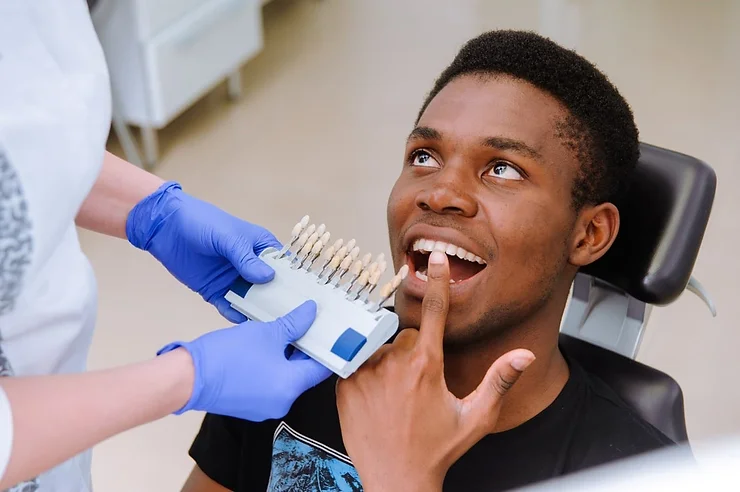

Crowns and bridges are dental restorations used to repair damaged teeth, replace missing teeth, and support better oral function. A dentist may recommend them when a tooth is weakened, severely worn, broken, or when gaps from missing teeth affect chewing, speech, or alignment. Here are some signs you may need dental crowns and dental bridges:
Recognizing Tooth Damage
Physical trauma can weaken the natural enamel on your teeth. A minor chip may seem harmless at first, but it can eventually lead to deep infections. Whenever a fracture exposes the inner layers of a tooth, a dental professional must intervene to prevent further decay.
Dental crowns and bridges offer a reliable solution for severely compromised teeth. The custom-fitted crown fits snugly over the remaining enamel, and it restores the tooth’s original strength. Unless the root is entirely damaged, this covering provides a secure barrier against oral bacteria.
Dentists also use crowns to support teeth after extensive fillings or root canals. The porcelain material mimics the tooth’s natural color perfectly, and it effectively resists daily stains. Although the procedure requires removing some enamel, the final result adds fundamental stability to the bite.
Restoring Missing Teeth
A gap in your smile makes chewing difficult, and it often alters your speech patterns over time. If you lose one or multiple teeth, your surrounding teeth may shift out of their proper alignment. Dental bridges provide a permanent structural replacement for these empty spaces. The device anchors onto the adjacent healthy teeth, and an artificial tooth sits firmly in the middle. As long as the supporting abutment teeth remain healthy, this restoration will stay securely in place. Tooth loss frequently causes facial sagging, but a well-designed bridge may prevent this physical decline.
Comparing Treatment Options
Your specific dental condition dictates the right restorative procedure. A crown repairs an existing tooth, and a bridge replaces a missing tooth. When you consult with your dentist, they will assess your roots to make a clinical recommendation.
Both crowns and bridges use durable porcelain materials. The lab customizes the shape to match your natural bite, and they tint the ceramic to blend with your surrounding teeth. The treatments serve different purposes, but they both deliver reliable cosmetic improvements. Preparation techniques differ slightly between the two clinical procedures. The dentist shapes a single tooth for a crown, but they must alter two adjacent teeth to support a bridge.
Protecting Oral Health
Proper maintenance is key to extending the lifespan of your restorative dental work. Patients must adopt consistent daily hygiene routines, and they should schedule regular clinical evaluations. To make sure your tooth restorations last for decades, review the following guidelines:
- Brush your teeth twice daily with a soft-bristle toothbrush to remove plaque buildup.
- Floss carefully around the base of your restorations to eliminate trapped food particles.
- Wear a protective mouthguard at night to prevent damage from severe teeth grinding.
- Avoid chewing on hard items like ice or pens to protect the porcelain material.
- Attend routine professional cleanings to monitor the stability of the dental cement.
Although these artificial materials do not decay, the natural tooth structure beneath remains vulnerable to cavities. These daily habits can prevent harmful bacteria from accumulating near your gum line.
Book Your Crowns and Bridges Appointment
Crowns and bridges provide highly effective solutions for compromised dental health. Maintaining proper care for your crowns and bridges is key to promoting their longevity and protecting the underlying natural teeth. Adopting a consistent oral hygiene routine and attending regular dental check-ups are key steps in preserving your dental device. With the right care, crowns and dental bridges can restore your smile and improve your oral function. Contact a qualified dentist near you to book your appointment for dental crowns and dental bridges today.
