


Heel pain affects millions of people each year, and plantar fasciitis stands as its most prevalent cause. Among the various contributing factors, body weight plays a notable role. The relationship between obesity and this foot condition is one that patients may benefit from understanding.
What Is Plantar Fasciitis?
Plantar fasciitis is a condition characterized by inflammation of the plantar fascia. This is a thick, fibrous band of tissue that runs along the bottom of the foot; it connects the heel bone to the toes. This tissue supports the arch of the foot, absorbing the mechanical stress placed on it during movement. When the plantar fascia sustains damage, it can swell and become painful. The resulting discomfort is most commonly felt in the heel, but it may also radiate along the foot’s arch. Many patients report that the pain is most pronounced during their first steps in the morning or after prolonged periods of rest.
What Causes It?
Plantar fasciitis develops when the plantar fascia is subjected to excessive stress, or it can be the result of repetitive use. A range of factors, including those related to lifestyle, biomechanics, and health, may contribute to this. These include:
- Prolonged standing or walking
- High-impact physical activity, such as running or jumping
- Wearing footwear that lacks adequate arch support
Structural foot characteristics, such as flat feet or high arches, can also alter the distribution of weight across the foot, increasing strain on the plantar fascia over time.
Obesity is another recognized contributing factor, as excess body weight places a greater mechanical load on the feet during everyday activities. This sustained pressure can gradually irritate and inflame the plantar fascia. For individuals carrying excess weight, the cumulative stress on the plantar fascia is ongoing rather than episodic, and this may affect both the onset and the duration of symptoms.
How Is It Treated?
Plantar fasciitis can be managed through conservative, non-surgical approaches. A podiatrist will typically conduct a physical examination, and they will review the patient’s medical history before recommending a treatment plan. Imaging tests such as X-rays or an MRI may be ordered if another underlying condition is suspected. Standard treatment options vary, including:
- Rest and Activity Modification: Reducing or temporarily pausing activities that place repeated stress on the heel allows the area to recover.
- Ice Therapy: Applying ice to the affected area multiple times daily may reduce inflammation.
- Medication: Over-the-counter nonsteroidal anti-inflammatory drugs (NSAIDs), such as ibuprofen or naproxen, can help manage pain and swelling.
- Supportive Footwear and Orthotics: Well-cushioned shoes with proper arch support reduce strain on the plantar fascia; custom orthotics may be recommended for additional support.
- Physical Therapy: Targeted stretching of the foot and calf muscles can relieve tension in the plantar fascia.
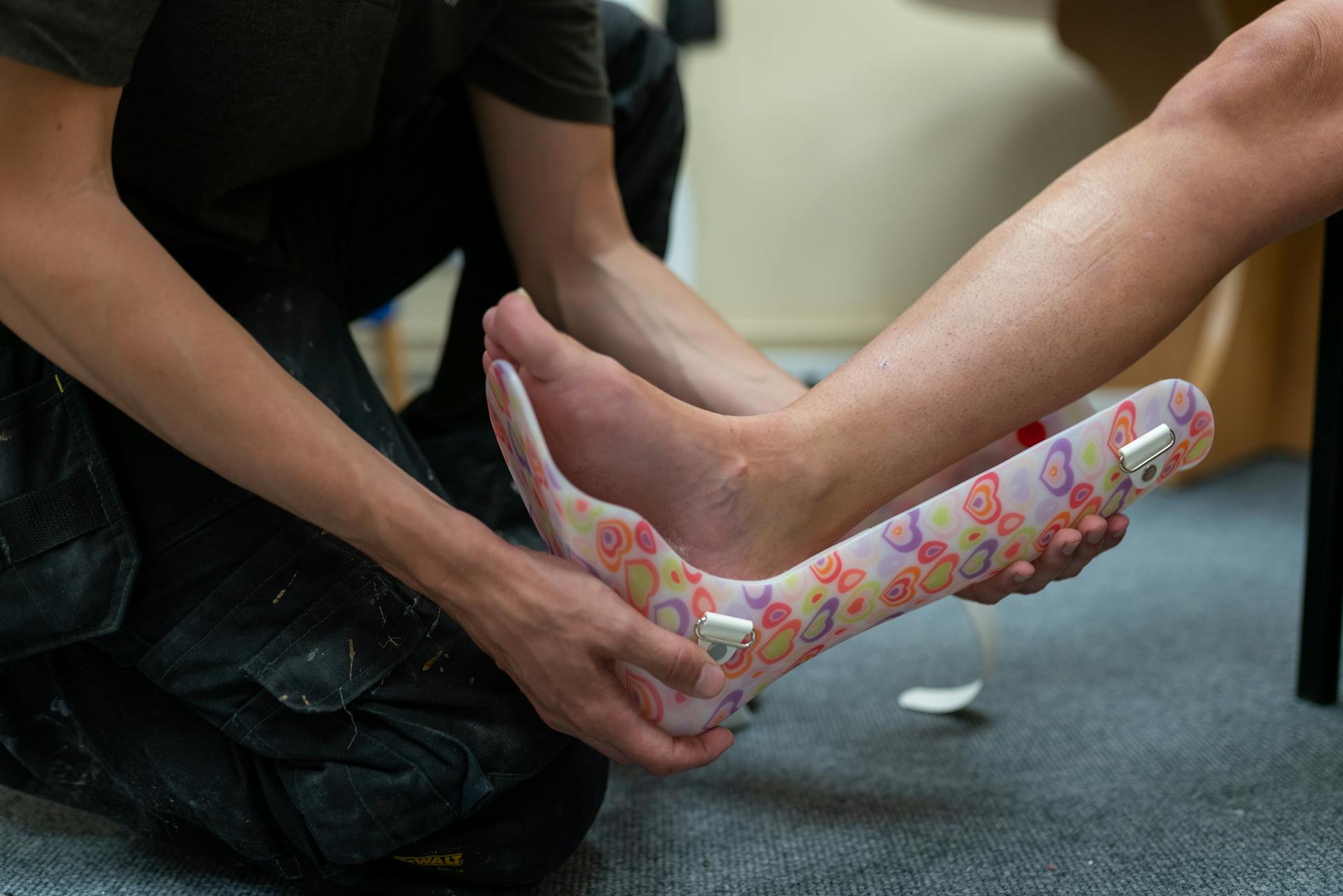
- Immobilization: A walking boot may be used to hold the foot in a stable position and minimize further irritation.
Surgical treatment is rarely necessary, and it is typically only pursued after conservative options have been thoroughly explored. Recovery timelines vary. Some patients notice improvement within a few weeks, while others may require several months of consistent treatment before symptoms resolve fully.
Speak With a Podiatrist
Plantar fasciitis is a manageable condition, and early intervention can support more favorable outcomes. If heel pain persists for more than a week, a consultation with a podiatrist is an appropriate next step. For patients where body weight is a contributing factor, a podiatrist may also coordinate care with other healthcare providers. Seeking professional guidance early can help prevent the condition from becoming a longer-term problem.
